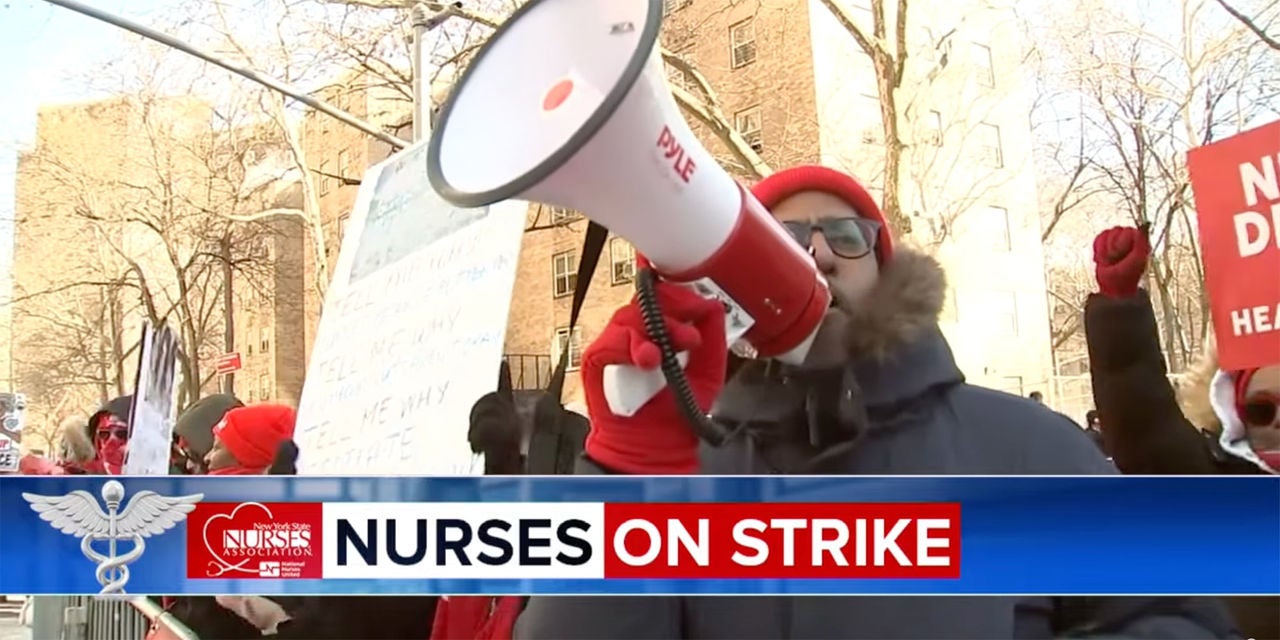
KV Sozialwirtschaft: Warning strikes as the next step - Insufficient supply causes escalation
After 16 hours of negotiations, the employers' side presented an offer in the third round that clearly falls short of expectations for the GPA and vida unions.
KV negotiation

The collective bargaining negotiations for the approximately 130,000 employees in the private health, social and care sector (SWÖ) are heading for a tough phase. After 16 hours of negotiations , the employers' side presented an offer in the third round that clearly falls short of expectations for the GPA and vida unions. In response, the works councils are now preparing warning strikes – a clear step that underlines the seriousness of the situation.
Employer offer well below the needs of the industry
The social economy comprises over 100 professions, from mobile care services to work with the disabled and socio-educational institutions. Stable working conditions are needed especially where security of supply and humanity are crucial – but the current offer leaves little room for improvement.
The offer in detail:
For 2026:
- KV salaries:
- Less than €2,400 gross: +2.8%
- Less than €3,000 gross: +1.8%
- Less than €3,500 gross: +1.75 %
- over €3,500 gross: +1.3 %
- Actual salaries: +1.3%
- Allowances & Supplements: +1.65%
- Apprentice income: +2.8%
For 2027:
- All collective bargaining and actual salaries: +1.65 %
On average, this means 1.71 percent for collective salaries in 2026 – a value that is well below inflation and does not meet the increasing challenges in the industry.
With this offer, you don't keep anyone in the profession
Clear words came from both unions after the negotiation.
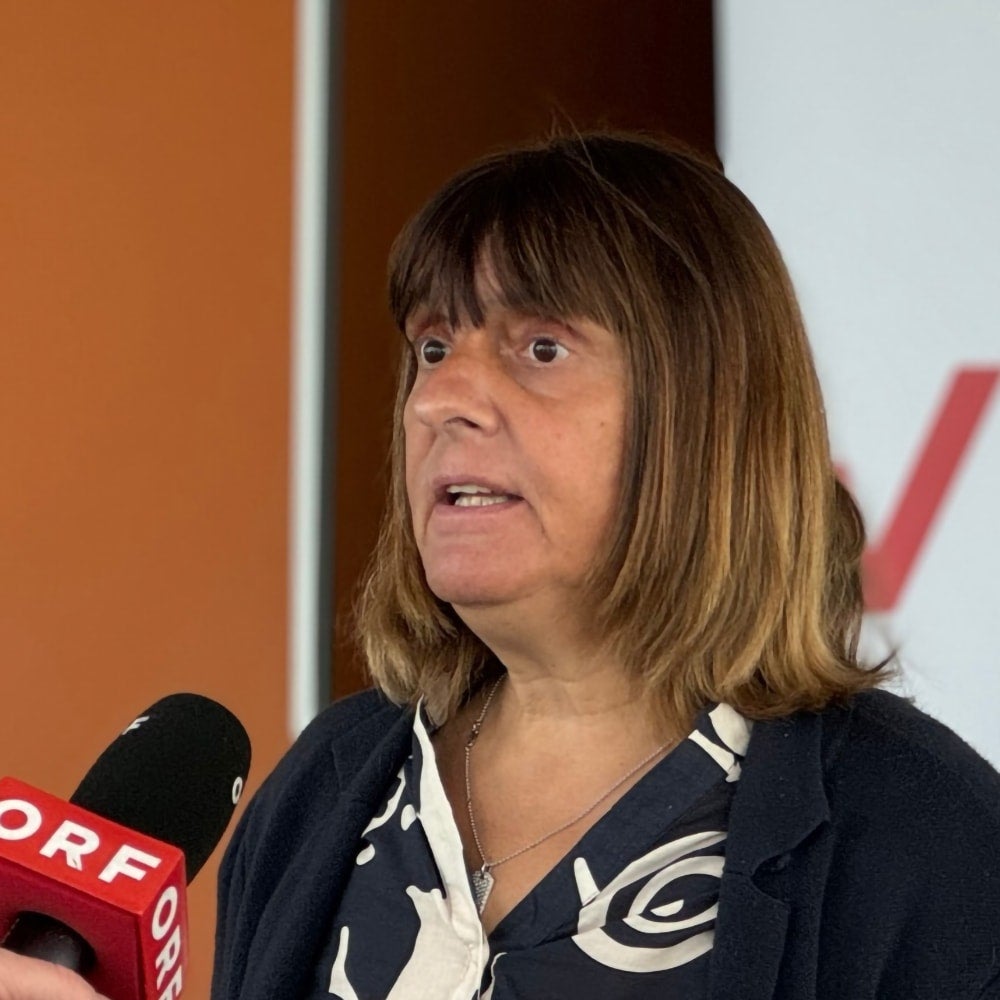
"The industry is facing enormous demographic challenges. With this offer, you don't lure anyone into training and you don't keep anyone in the profession. Attractiveness needs two things: noticeable salary increases and better working conditions."vida-Chefverhandlerin SWÖ
"We have zero understanding if employees in the social economy are now to be presented with the bill for the failed budget policy of recent years."
"Our colleagues are ready to fight for a fair agreement - even with warning strikes. Ensuring financing is the task of the employers. It cannot be that more budget plus is planned for toilet paper than for the employees."GPA-Chefverhandlerin
Employees have been sending clear signals for weeks
The unions point to the massive support from the workforce. Actions such as "4 wins" mobilized thousands of employees, and there have already been rallies in Vienna and Salzburg . The message is clear: patience is at an end.
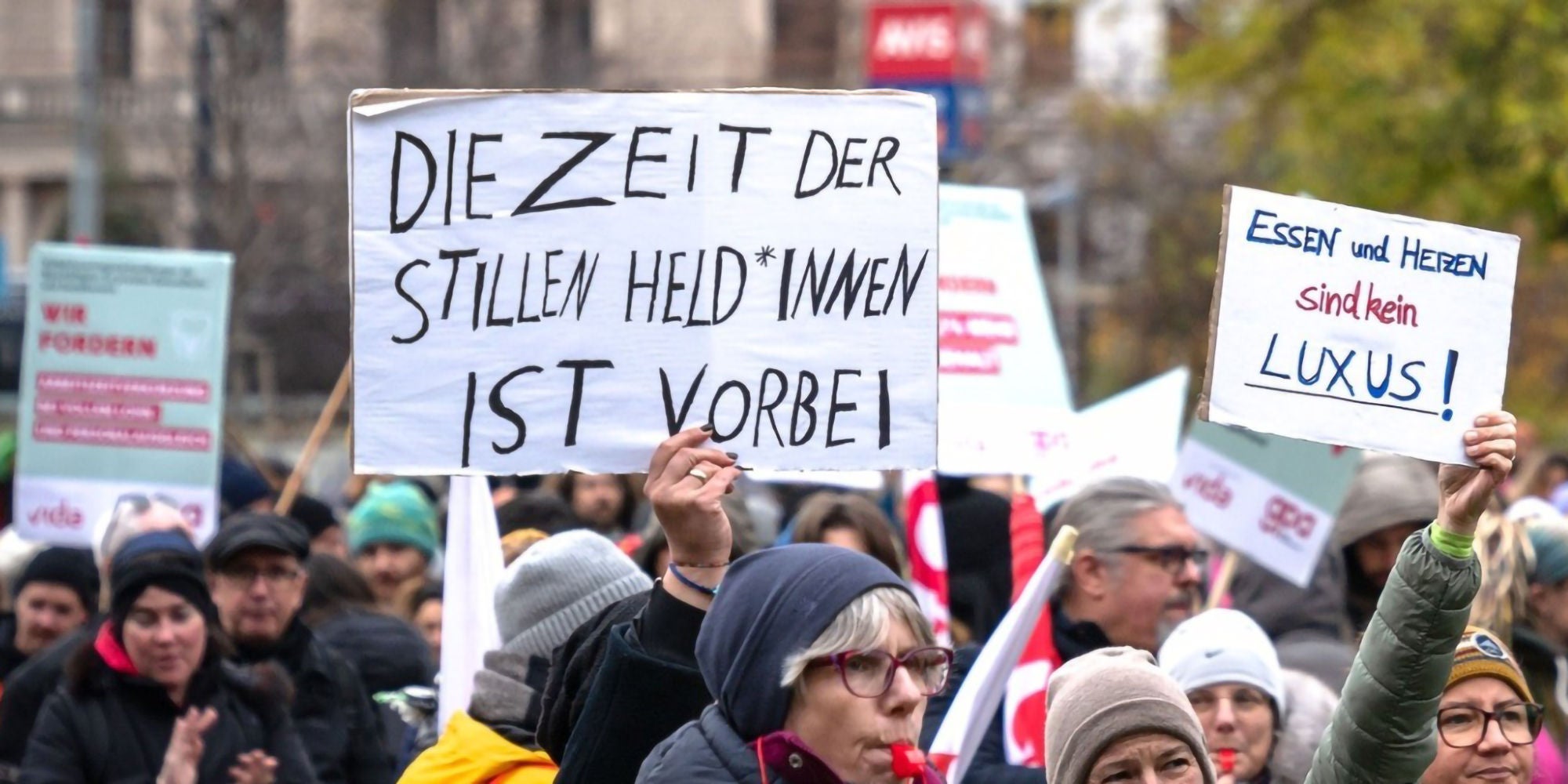
In the industry, 70 percent are women and 70 percent work part-time – a structural imbalance that makes fair salary increases particularly necessary.
Warning strikes at the beginning of December – next hearing on 11 December
To lend weight to the demands, the works councils are preparing warning strikes between 2 and 4 December. The next round of negotiations is scheduled for December 11. If the employers' side then again fails to present an appreciative offer, the conflict could quickly escalate.
Information on the warning strike

All information about the warning strike can be found here:
Employees in the social economy bear enormous responsibility on a daily basis. A deal below inflation would not only be disrespectful – it would be another step towards a staff shortage. The trade unions are therefore making it unmistakably clear: What is needed now is an offer that really recognises the work of the people.