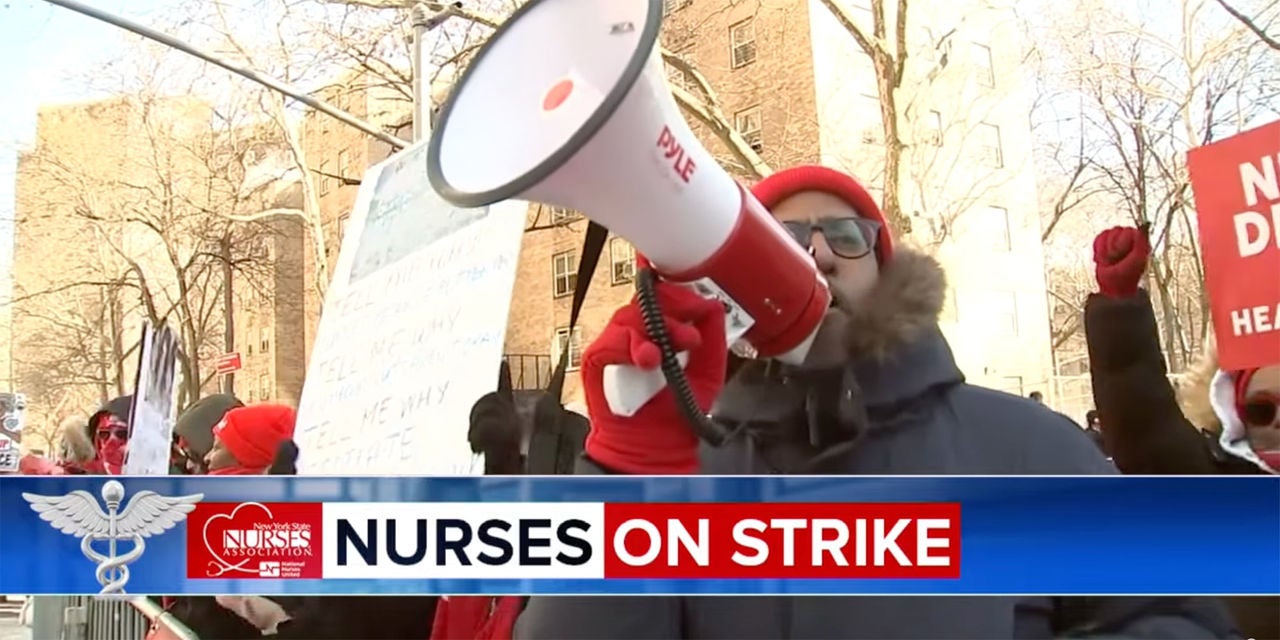
Collective Agreement for the Social Economy: Strikes to be extended
Employer offer remains clearly below what is necessary – employees increase the pressure.
KV negotiation
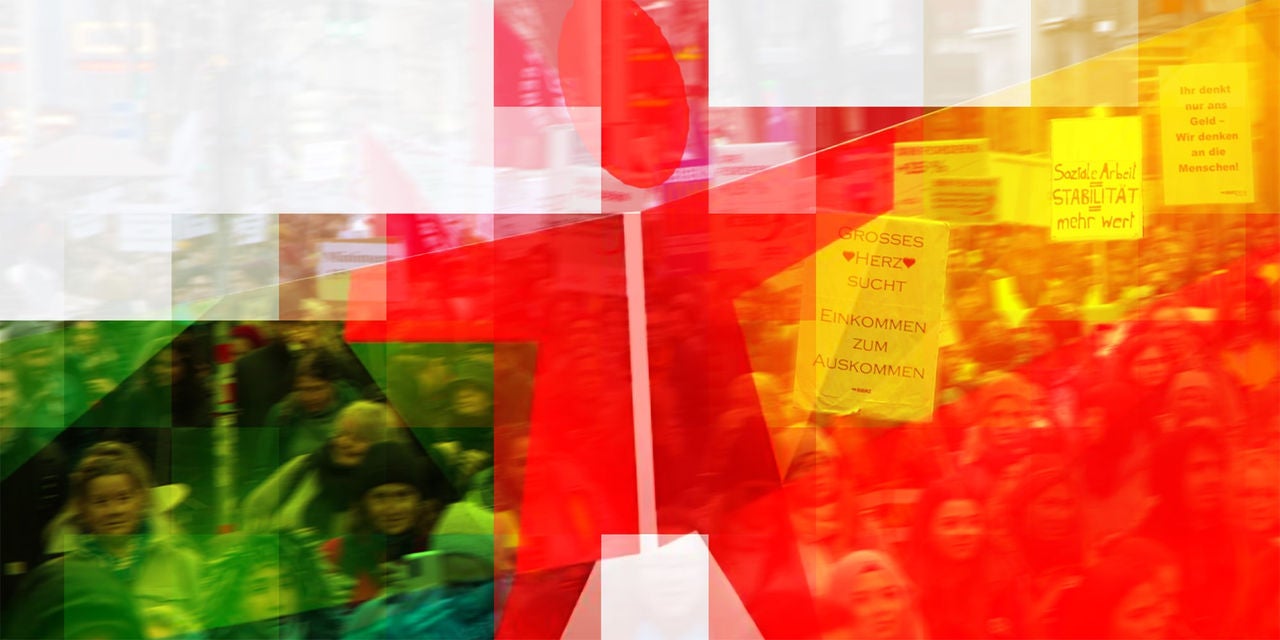
In the fourth round of collective agreement negotiations for the Austrian Social Economy (SWÖ), the employers have again submitted an inadequate offer after around 15 hours of negotiations. Around 130,000 employees in the private health, care and social sectors are affected. The trade unions vida and GPA are reacting consistently to this: The strikes will be extended in terms of space and time, with a focus on 16 to 18 December.
Employer offer brings real wage loss
The offer presented by the employer side provides for a two-year term and lags significantly behind the inflation trend:
- From 1 April 2026:
- 2.3 percent on wages and salaries under the collective agreement – in fact only 1.72 percent for 2026 as a whole, as no increase is planned for the first three months.
IST wages and salaries are to increase by 2 percent.
→ de facto no improvement compared to the last round.
- 2.3 percent on wages and salaries under the collective agreement – in fact only 1.72 percent for 2026 as a whole, as no increase is planned for the first three months.
- From 1 January 2027:
- 1.7 percent on collective bargaining wages and salaries,
- 1.5 percent on the actual wages and salaries.
For employees, this offer means renewed real wage losses – in an industry that has been suffering from staff shortages, high workloads and rising living costs for years.
Strikes are being extended
In view of the lack of movement on the part of the employers, the trade unions are increasing the pressure. The industrial action will be extended, and a new negotiation date in January will still be agreed.
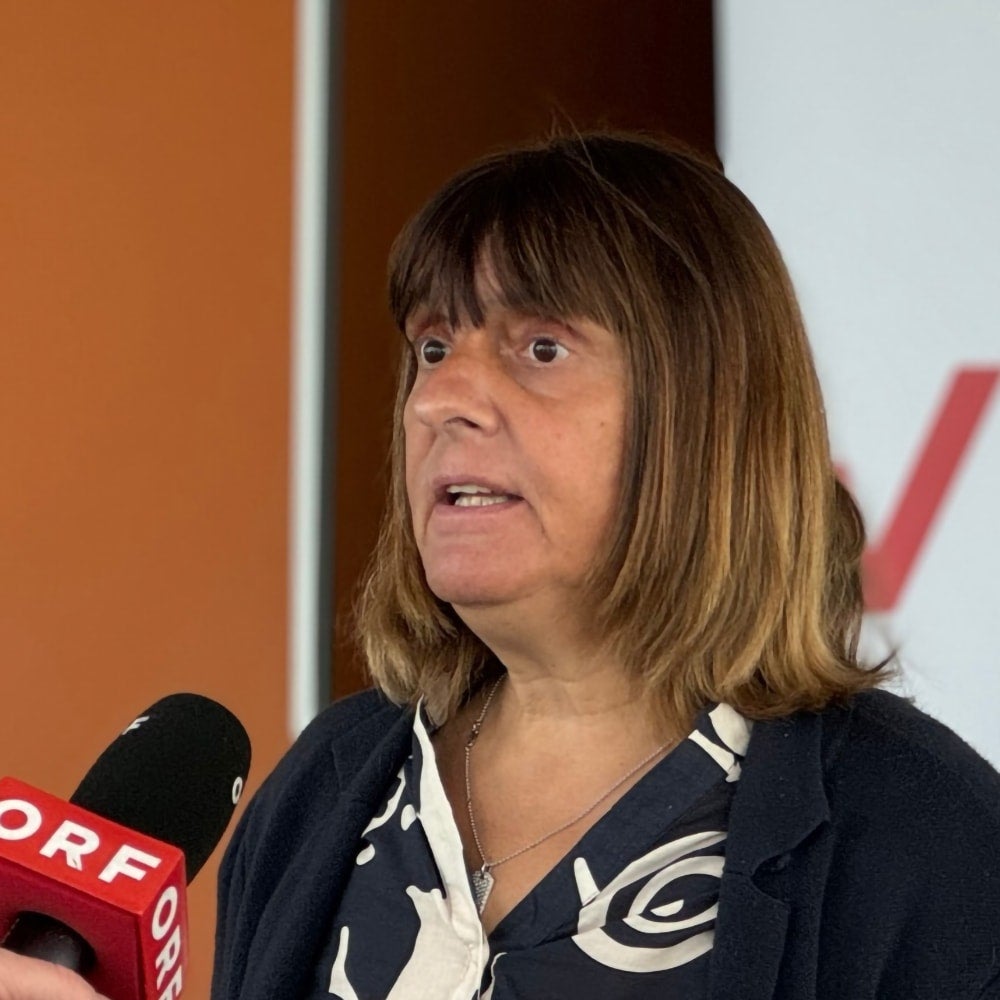
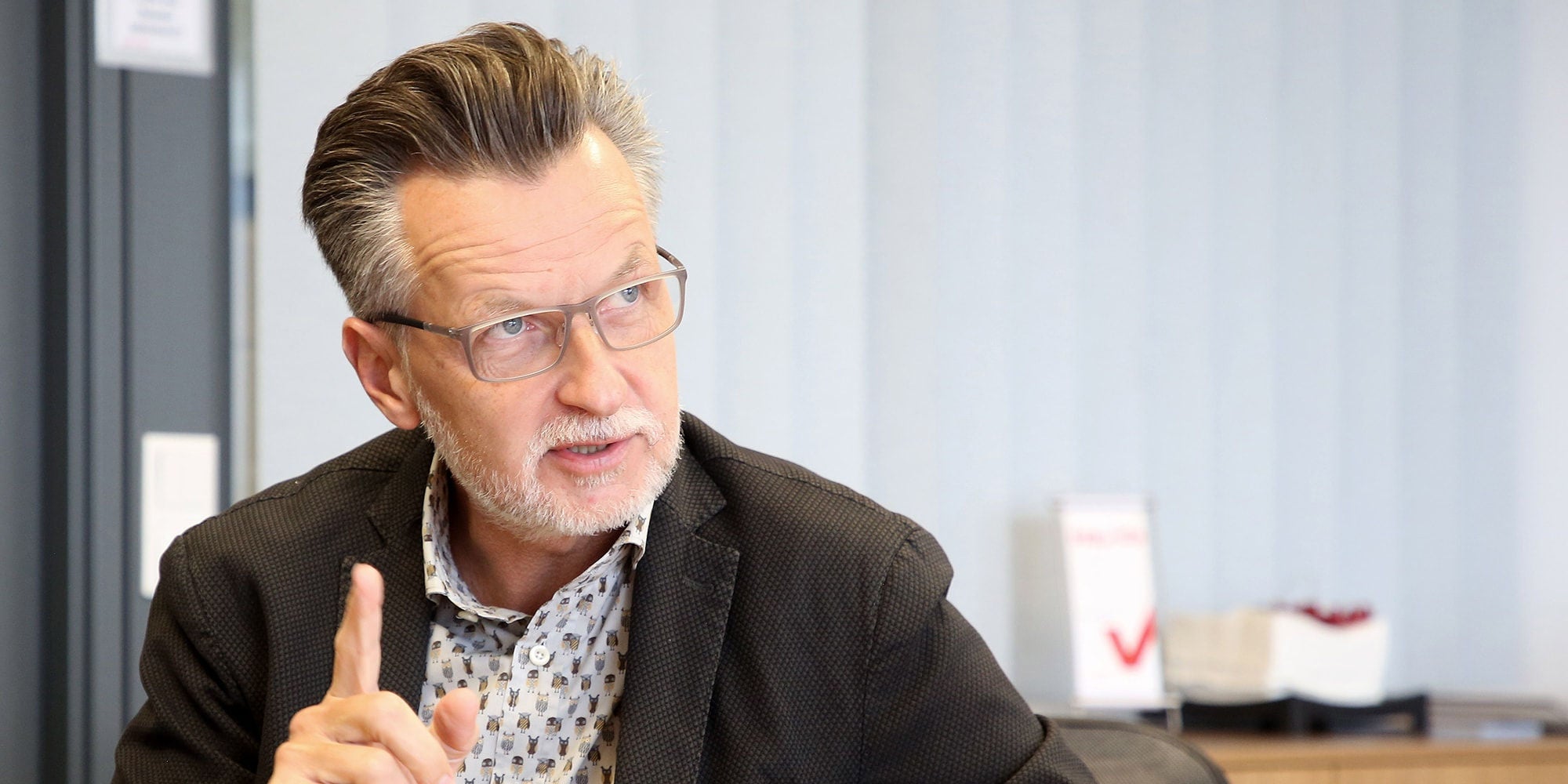
"The fact remains: We have a shortage of skilled workers in the social economy. Anyone who believes that the industry does not need to be made more attractive and can still ensure the supply of the population is greatly mistaken. Employees have bills to pay and feel the inflation in their wallets. The employers' offer is not acceptable to us, which is why we are responding with measures in the companies."vida-Chefverhandlerin SWÖ
Eva Scherz, negotiator for the GPA trade union, clearly criticises the employers' stance:
"The employers apparently confuse a collective agreement negotiation with a self-help group. Instead of complaining to the unions about the situation, employers must finally take a decisive stance vis-à-vis politicians. Telling us how badly they are doing does nothing to improve the situation. Our colleagues can't buy anything from excuses. We will now expand the strikes and increase the pressure further. The workforce is ready to fight and will counter the lack of appreciation of the employers accordingly."
vida: Making the social economy more attractive is overdue
From the point of view of the trade union vida, it is clear: Without noticeable improvements in wages and working conditions, the shortage of skilled workers will continue to worsen - with consequences for the supply of the population.
Appreciation needs more than words
The social economy keeps the system running – day after day. Real wage losses and minimal offers are the opposite of appreciation. The trade union vida stands by the employees and makes it clear: Without serious improvements, the industrial action will continue.
All information on the negotiations

All information about the negotiations and current actions can be found here: