Trade union vida welcomes ratification of ILO Convention 190
Violence and harassment in the world of work – especially in the tourism industry – must finally come to an end.
Violence and harassment

On 11 September 2024, Austria ratified ILO Convention 190. Exactly one year later, on September 11, 2025, it will come into force. In this convention, the 187 member states of the International Labour Organization (ILO) committed themselves to taking stronger action against violence and harassment in the world of work.
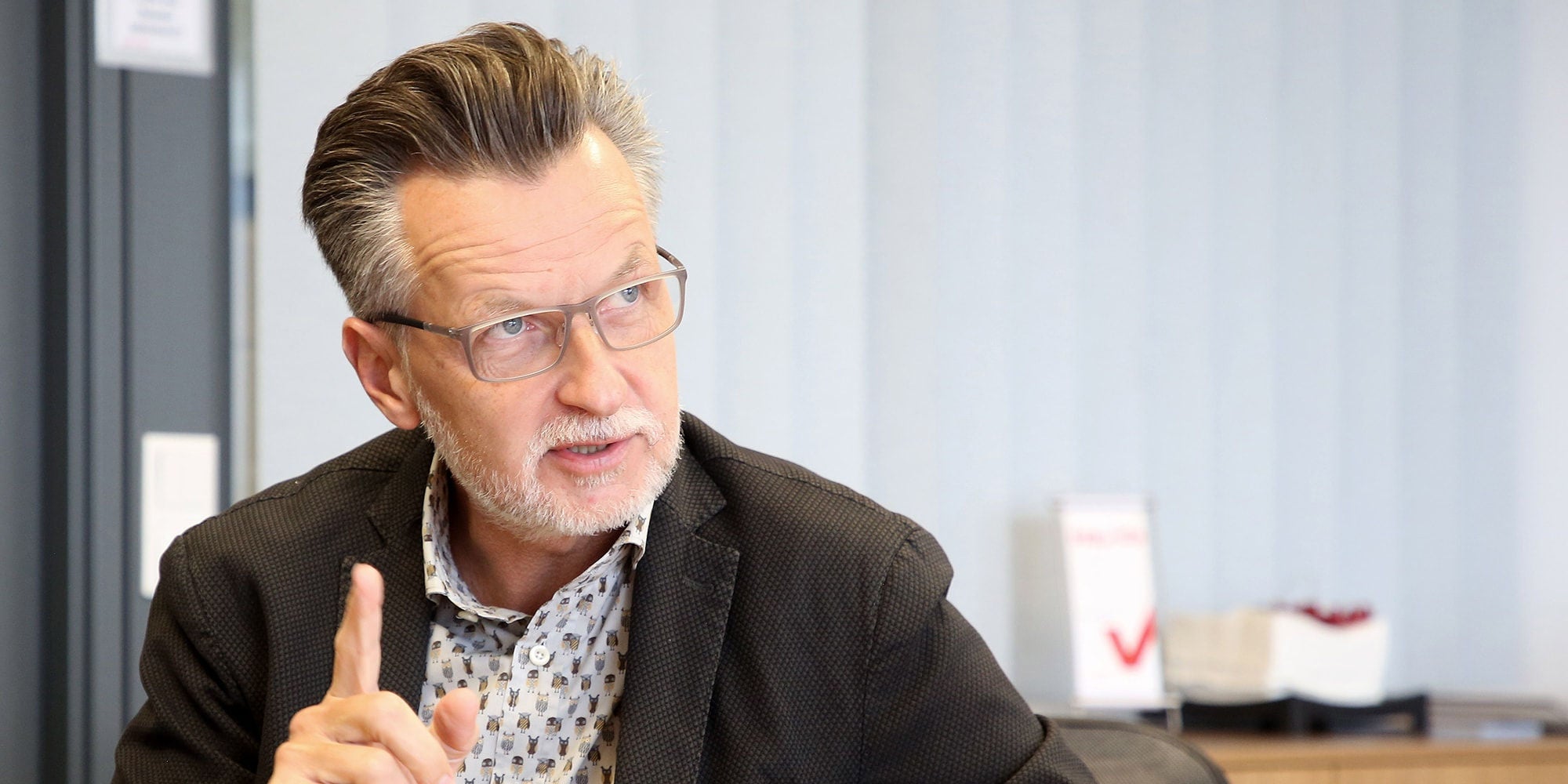
For Eva Eberhart, Chairwoman of the Tourism Department of the trade union vida, this is a decisive step:

"Our industry urgently needs this protection. Unfortunately, attacks often occur here – be it verbal, psychological or physical. The implementation of the convention offers an important opportunity to make our workplaces safer and more respectful."
Overview: Why C190 counts now
- C190 recognises the right to a working environment free from violence and harassment – even by third parties such as guests or customers.
- The following applies to Austria: Entry into force on 11 September 2025 (one year after the deposit of the instrument of ratification).
- Companies are called upon to anchor prevention, clear processes and protective measures in a binding manner.
Violence widespread in the catering industry
The urgent need for action was shown by the study "No respect, no service!" presented in 2024 by the Vienna Chamber of Labour and the trade union vida. According to the survey, around 79% of the female employees surveyed in the Viennese gastronomy industry stated that they had experienced or observed sexual harassment; in 60% of the reported cases, employers did nothing.
Media reports about grievances have also recently cast a harsh light on the industry - for example on the Viennese restaurants Wirr and Adlerhof (the presumption of innocence applies). Also in the headlines: allegations against star restaurateur Konstantin Filippou, which he rejected; he announced improvements (presumption of innocence).
Reports of insults and threats
In restaurant kitchens, behind the bar, at the dishes or in direct contact with guests, there is often extreme time pressure. Orders must be fulfilled at the same time, processes must be coordinated and food must be served on time. All of this is driving up the stress factor in the catering industry. "Many customers also lack respect," explains Eberhart. This starts with the pejorative designation of service staff as waitresses.
"Waiters often have to pay for things they can't do anything about. Sometimes they are just insulted when a guest is having a bad day."
"Nine orders from customers were not accepted or returned to me today. Once I was asked if I was new and didn't know my way around. I was just following a new regulation from my employer. And once a customer angrily shot the order against my window pane – just because the packaging of the food didn't fit him! Next time it might not hit the target, but someone from our team."
Conflicts caused by food deliveries
The increased business with food deliveries brings additional potential for conflict - both in the contact between employees and order customers as well as between catering staff and suppliers.
Example 1:
"My colleague and I prepared a delivery order and packed it together. Everything was as ordered in the bag. The customer called us and insulted us as 'whores', 'assholes', etc. (…) Then he threatened to do business or finish us off on the Internet. Literally: 'I destroy you.' That was exactly on the day of the rampage at the Graz school."
Example 2:
"At 11:15 a.m., a food delivery man came in screaming and asked why the order wasn't ready yet. The pick-up time was given as 11:11. After I explained that he had to wait another two minutes, he yelled at me and insulted me in a language I don't understand. I asked him to calm down as I mark when the food is ready and he wouldn't have any problems. He then shouted again and insulted us with obscene expressions – and that in a crowded restaurant with other guests who had heard everything. I was shocked. I don't want to see this driver in the branch anymore. Request for support – I couldn't reach anyone from the company."
Better protect employees – what companies need to implement now
"As the vida trade union, we have been working for decades to end all forms of violence in the world of work and call on employers to create a safe working environment for everyone," Eberhart emphasizes. "With ILO Convention 190, another instrument is now coming into force that makes companies responsible for safety at work."
Concrete measures:
- Clear guidelines & complaint channels: Internal policies, confidential reporting offices, comprehensible procedures.
- Training & Awareness: Prevention, intervention, duty of care – for managers and teams.
- Risk assessment in the company: Identify rush hours, delivery traffic, guest areas; Define countermeasures.
- Act consistently: Sanctioning offenders, protecting those affected, securing evidence, ensuring follow-up care.
For Eberhart, long overdue: "Countless examples show: Unfortunately, gastronomy is often characterized by violent attacks. Employers owe it to their workforce to protect them from this!"
FAQ: ILO Convention 190 in brief
What is C190?
The Convention on the Elimination of Violence and Harassment in the World of Work (2019) – the first international treaty to explicitly enshrine the right to a working world free from violence and harassment.
When does C190 apply in Austria?
From 11 September 2025 (one year after ratification on 11 September 2024).
What is the role of companies?
C190 and the accompanying recommendation require effective prevention, training, complaint channels and protective measures – a framework that must now be implemented consistently.