Collective bargaining negotiations on railways 2024
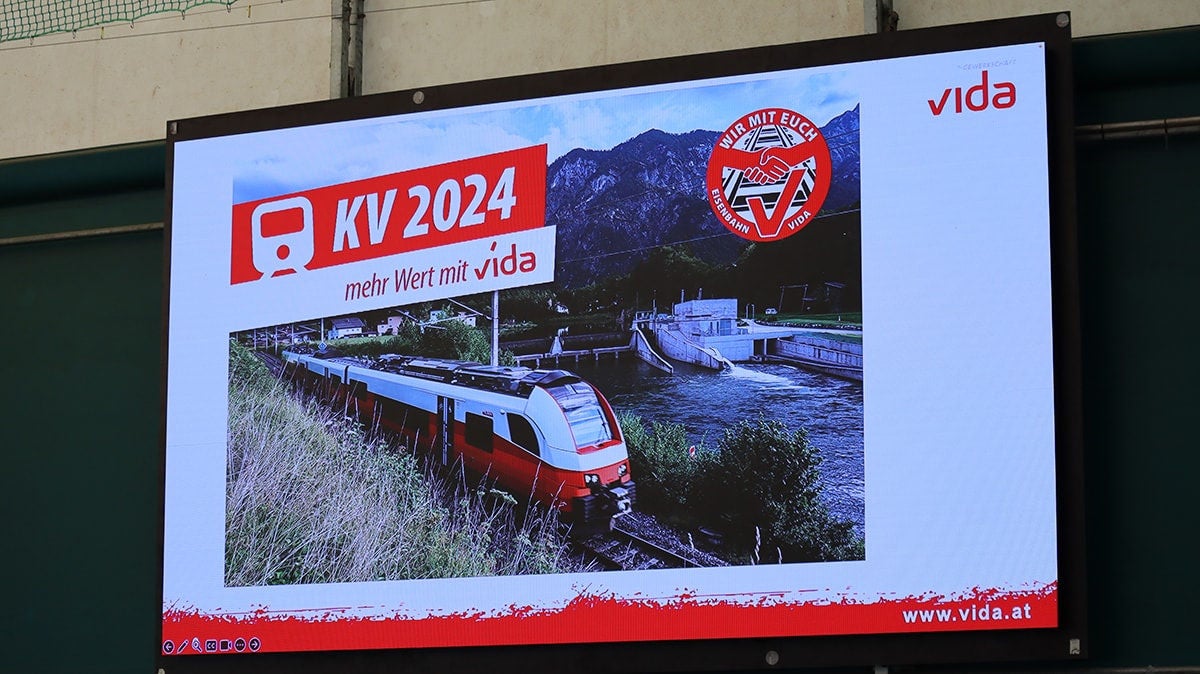
We started the collective agreement negotiations on 23 October 2024.
KV negotiation
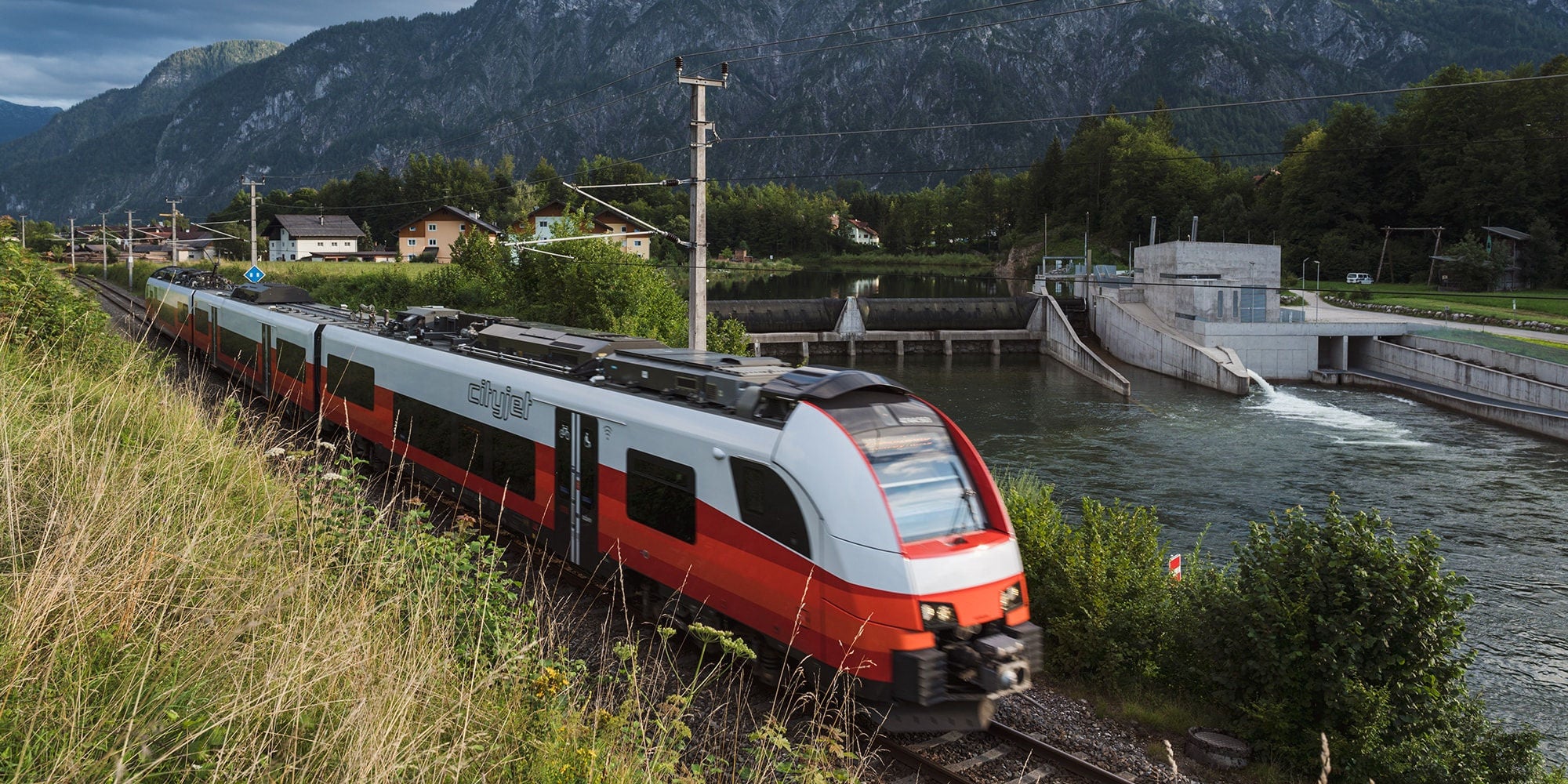
The difficult collective agreement negotiations in 2022, in which we were able to achieve an increase in incomes of at least 480 euros per month in the last two years with solidarity cohesion, are behind us. Now it's that time again and we started the collective agreement negotiations on October 23, 2024.
This is the starting point
Acute staff shortages, difficult working conditions and high stresses, exacerbated by record numbers of passenger transport and extreme weather events, demanded everything from railway workers last year as well. At least 4.5 million overtime hours and over 400,000 unused remaining vacation days are a clear indicator of the shortage of personnel. So there is an urgent need for a substantial wage increase and more attractive working conditions. The increasing burden as well as the performance of employees and their contribution to the steadily growing value added must be offset by higher wages above inflation.
"The start of negotiations on 23 October was constructive and as social partners we have made it beyond dispute that we have to make our industry fit for the future. The negotiations will continue as planned. We will of course inform you about the course of the negotiations as soon as there are (interim) results."
Update: November 14, 2024
Overwhelming approval of the collective agreement
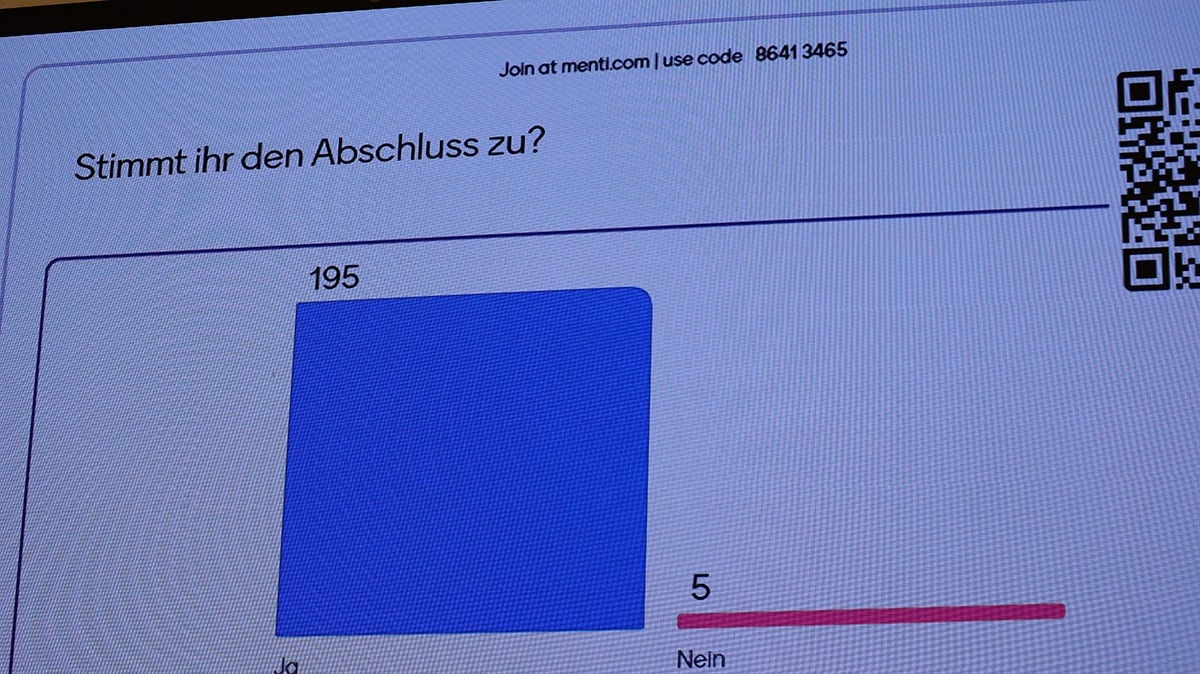
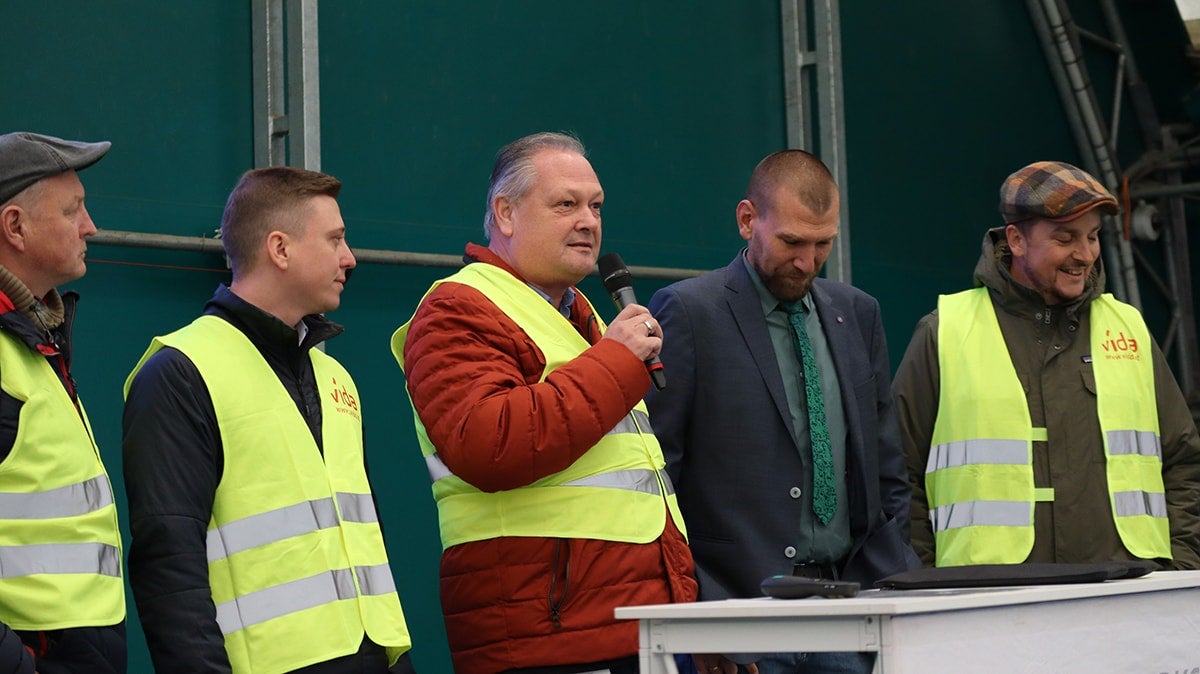
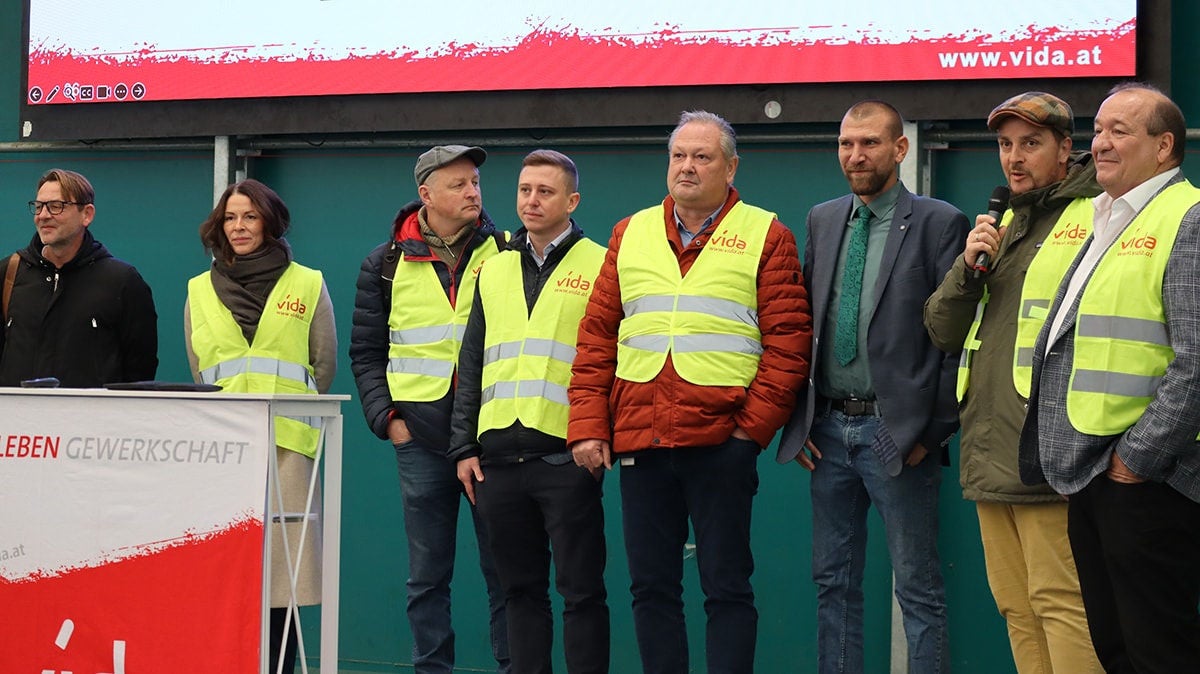
At a meeting in Vienna today, the works councils of the railway sector approved the collective agreement for railway workers negotiated yesterday with the social partner with an overwhelming 98 percent.
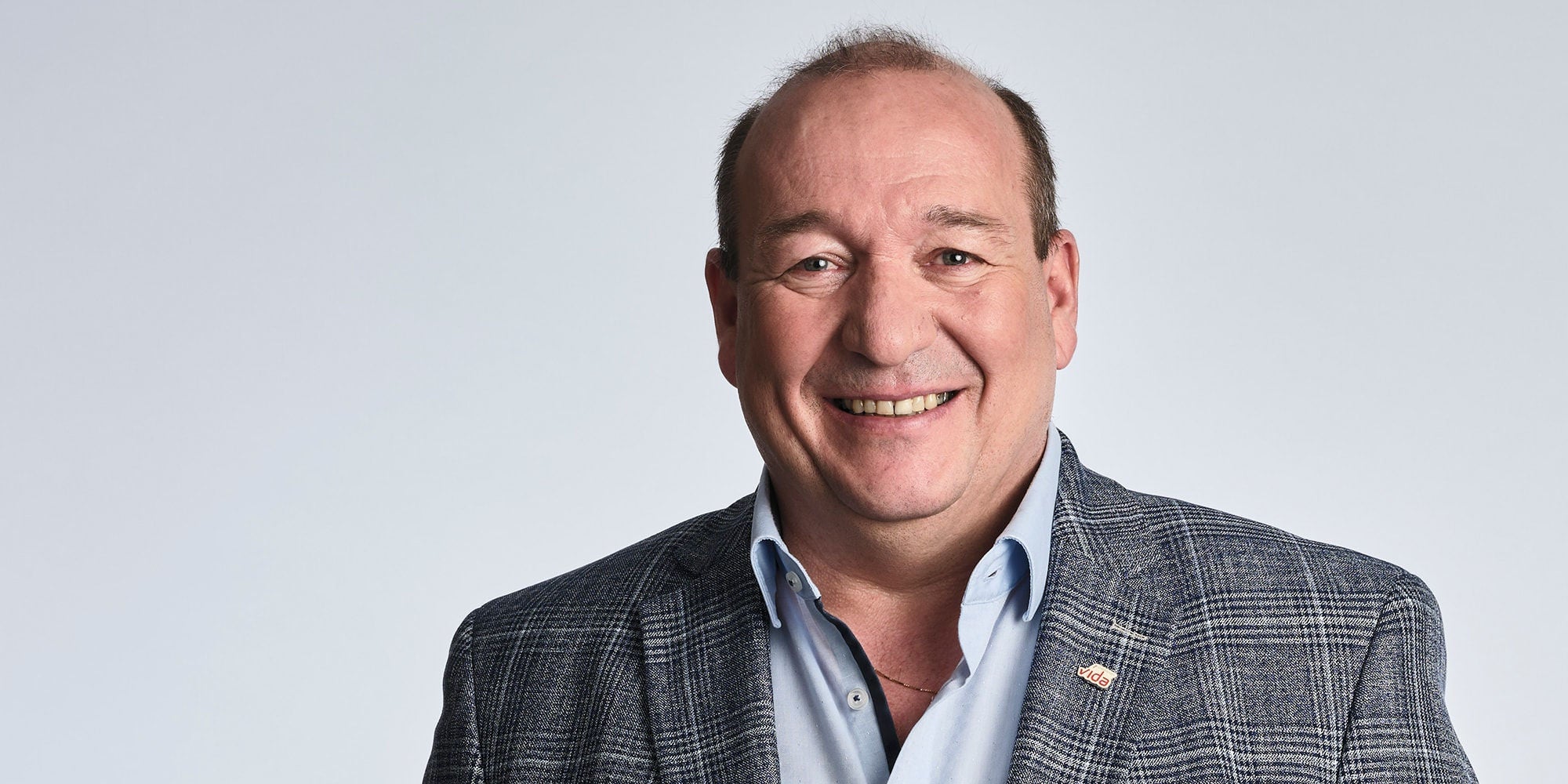
"After tough negotiations, we achieved a very good result for the approximately 55,000 employees in the railway industry yesterday in the fourth round of collective bargaining: "4.1 percent plus on collective bargaining and actual wages as well as on valorizable additional remuneration, which is significantly more than the rolling inflation of 3.5 percent. For companies with more than 1,000 employees, the employers have demanded a cap of 330 euros," said Gerhard Tauchner, head of the vida collective bargaining agreement and chairman of the vida railway department, thanking all railway workers for their great support at the meeting.
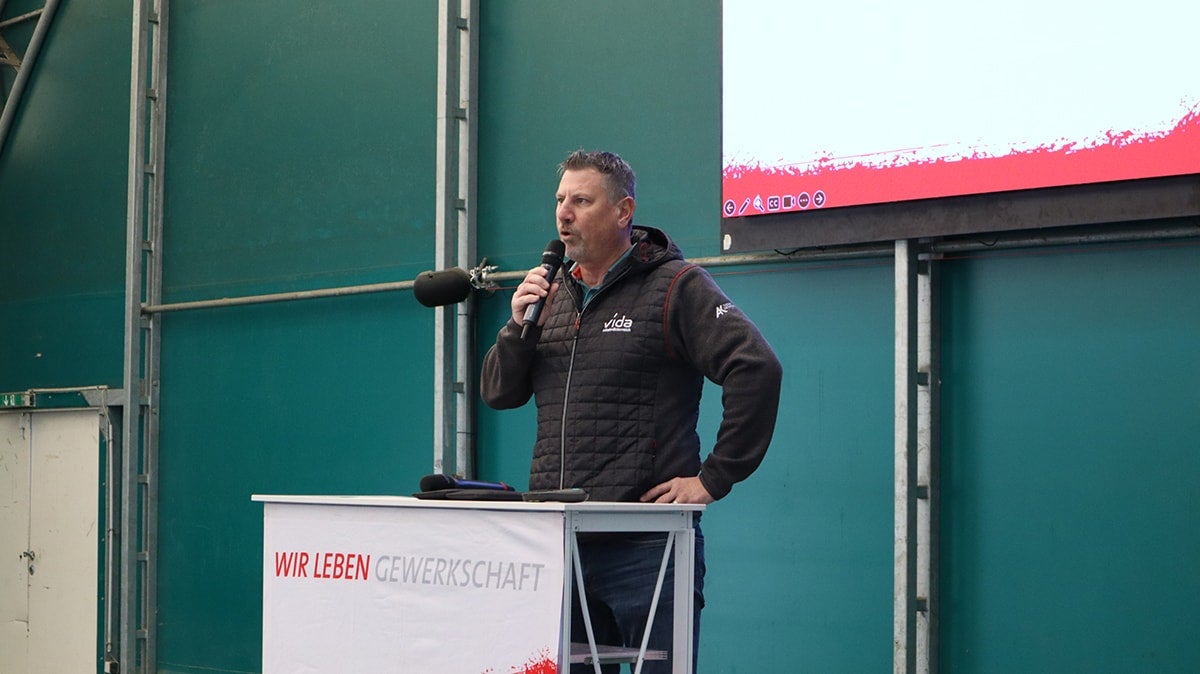
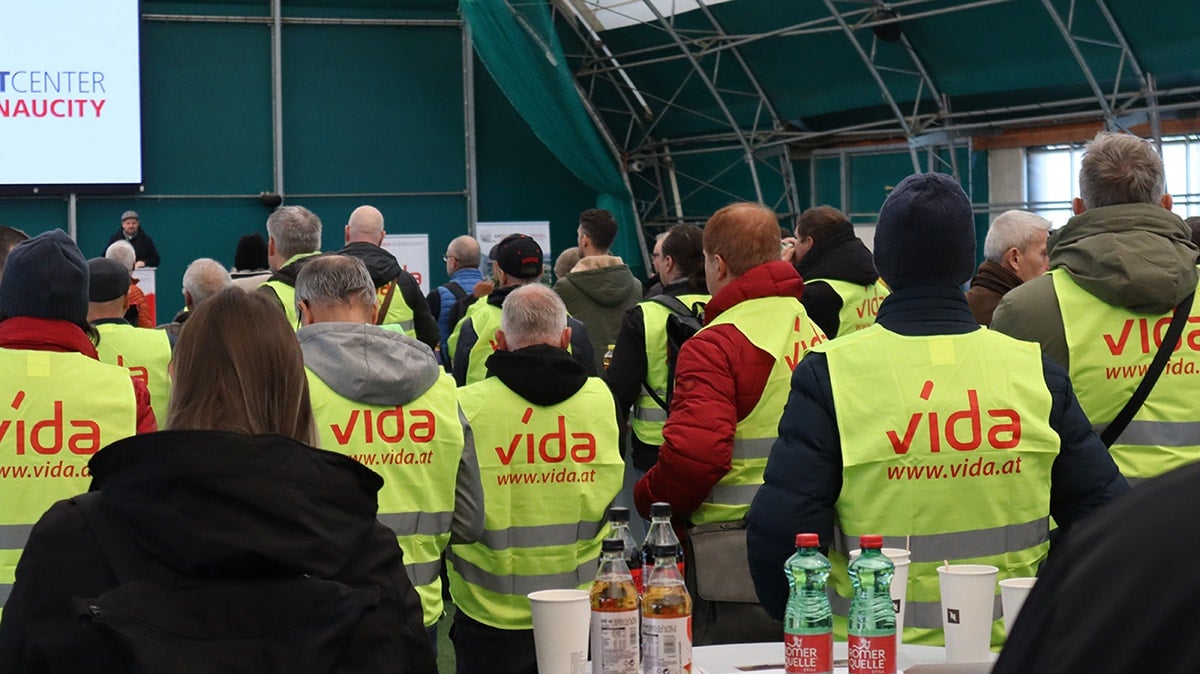
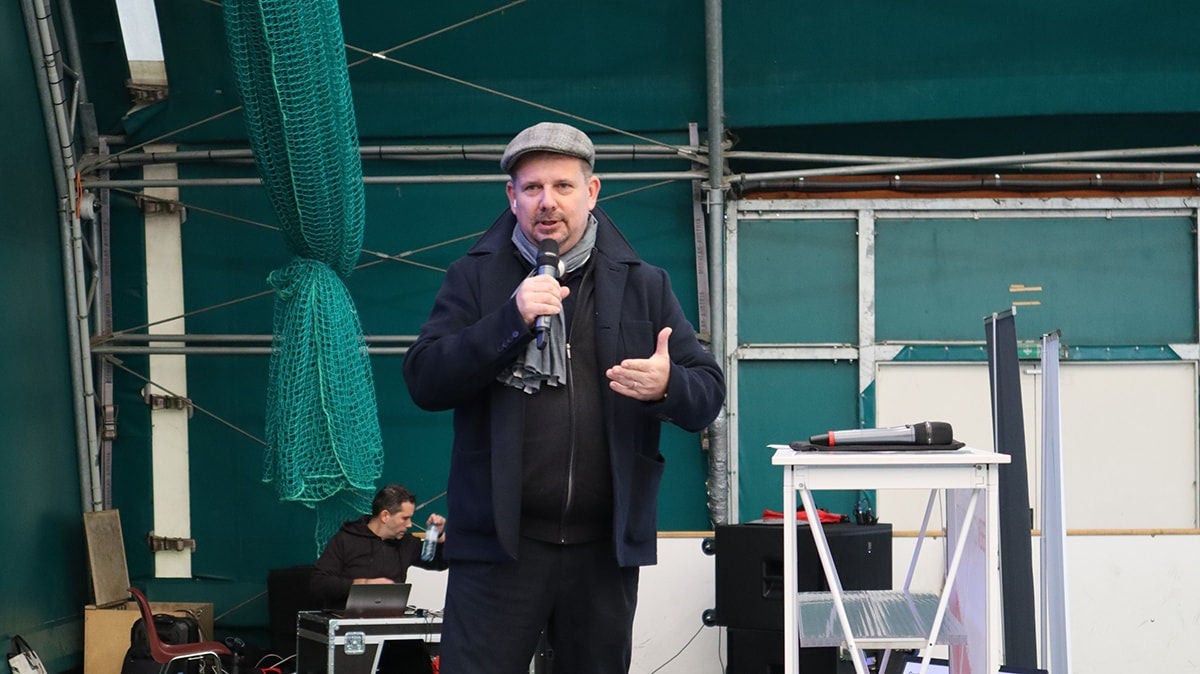
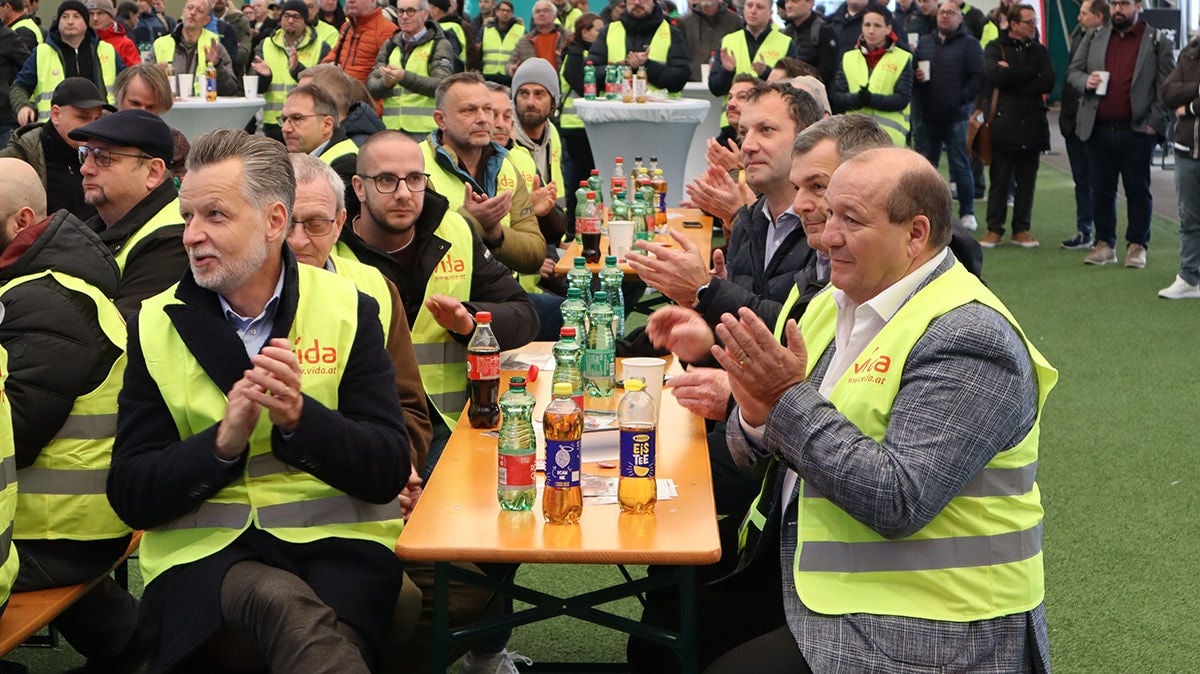
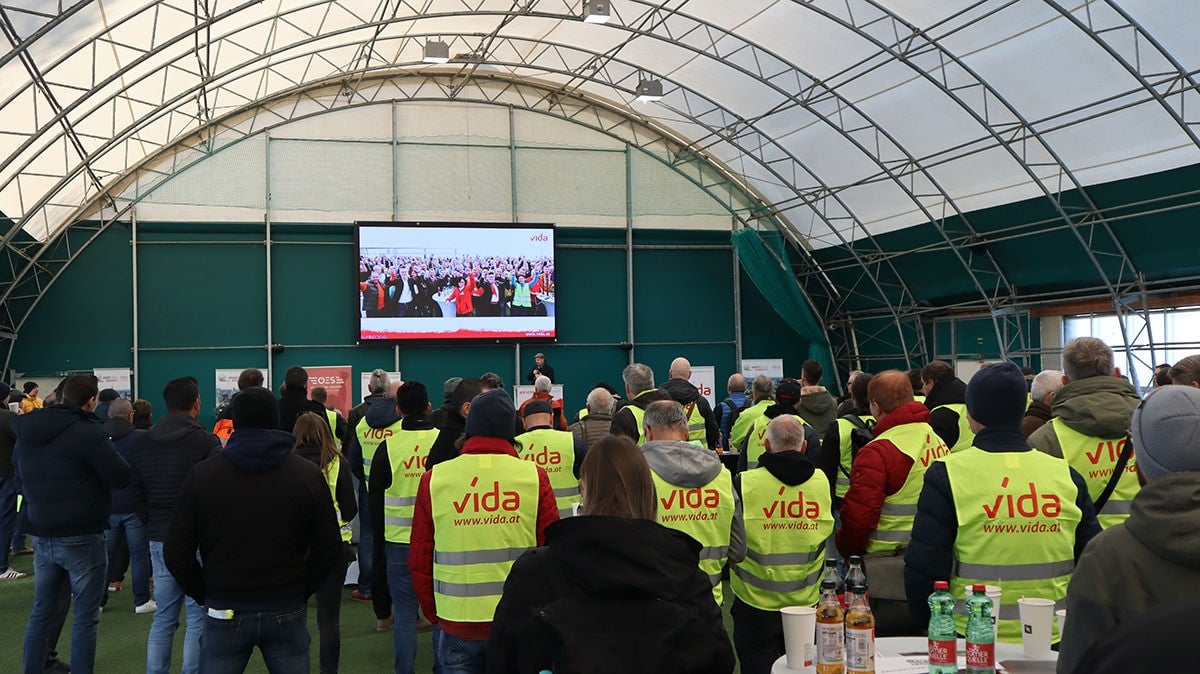
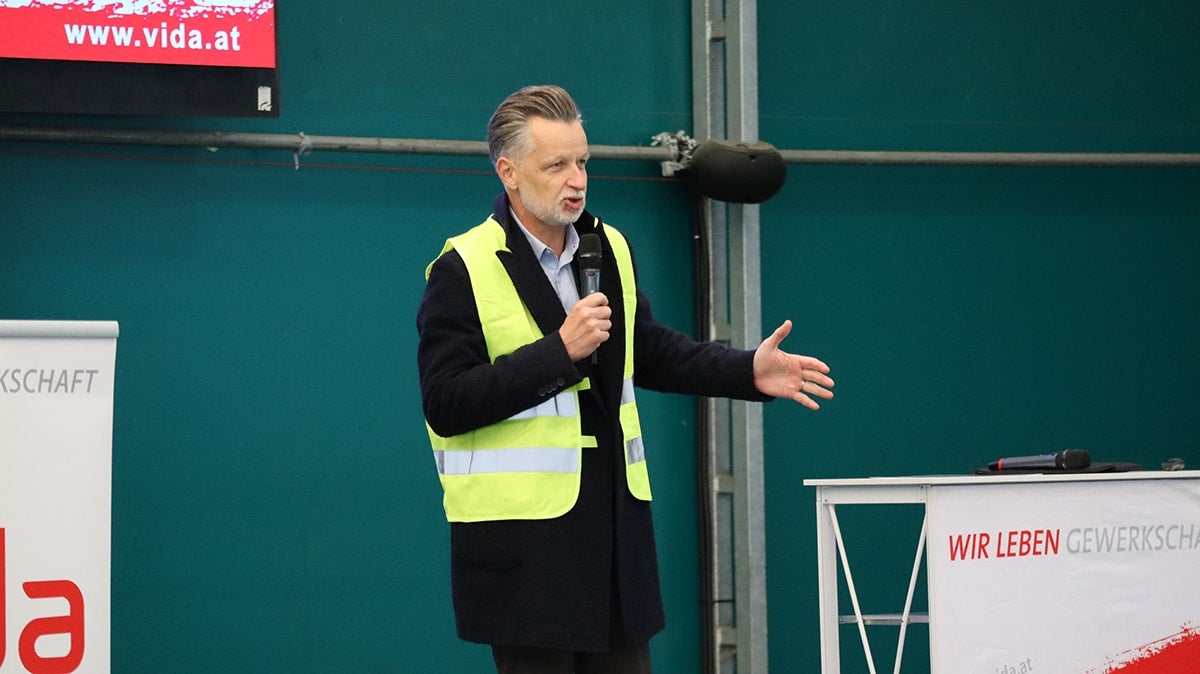
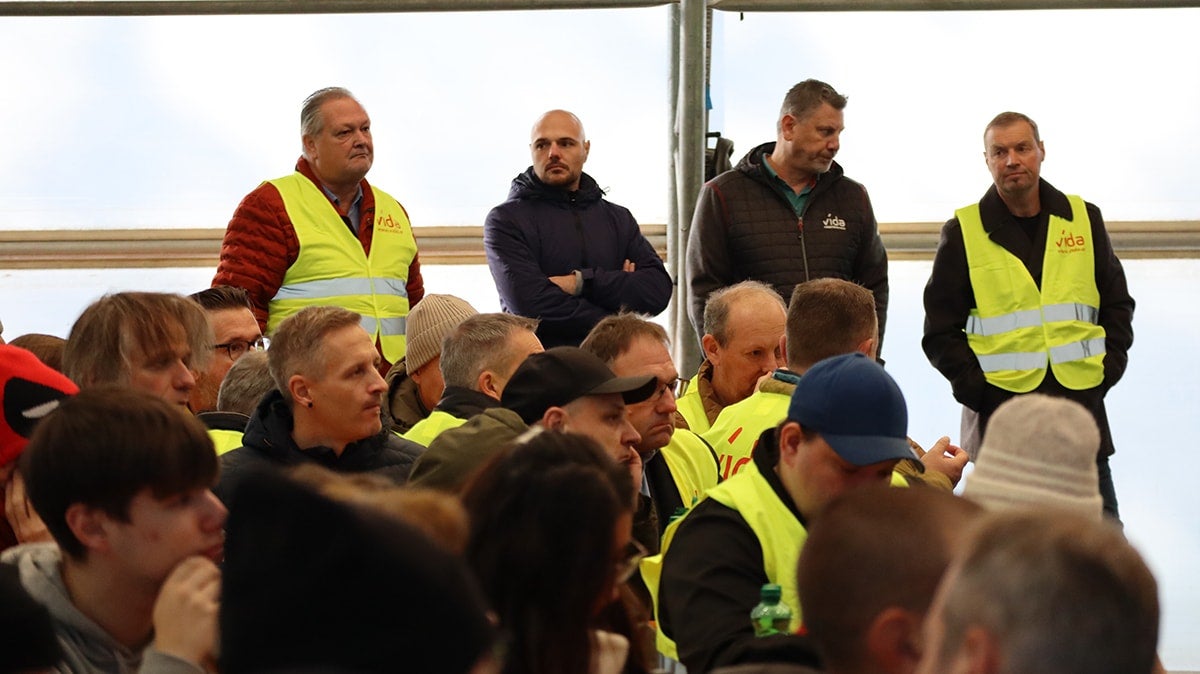
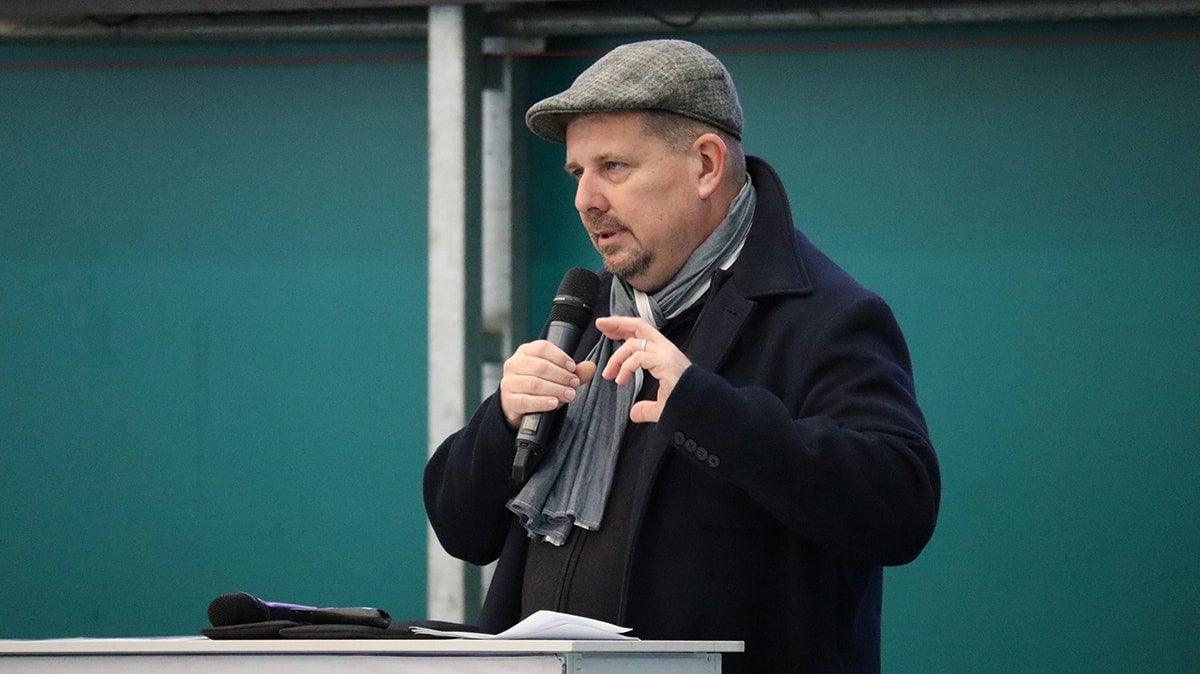
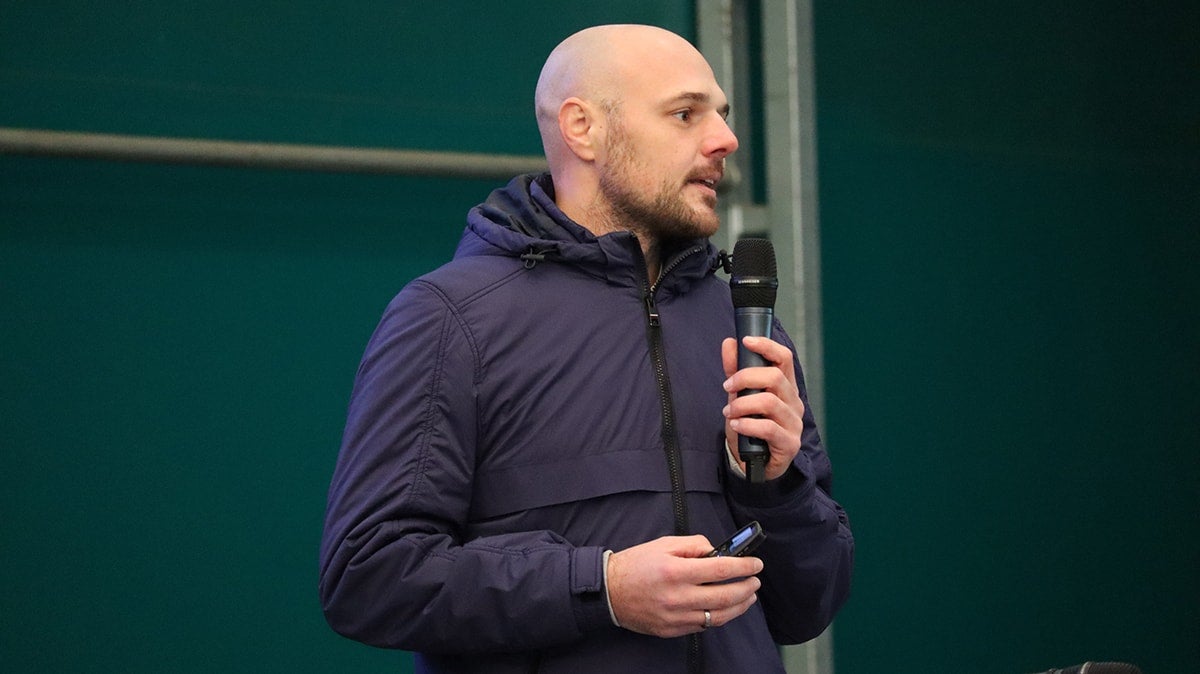
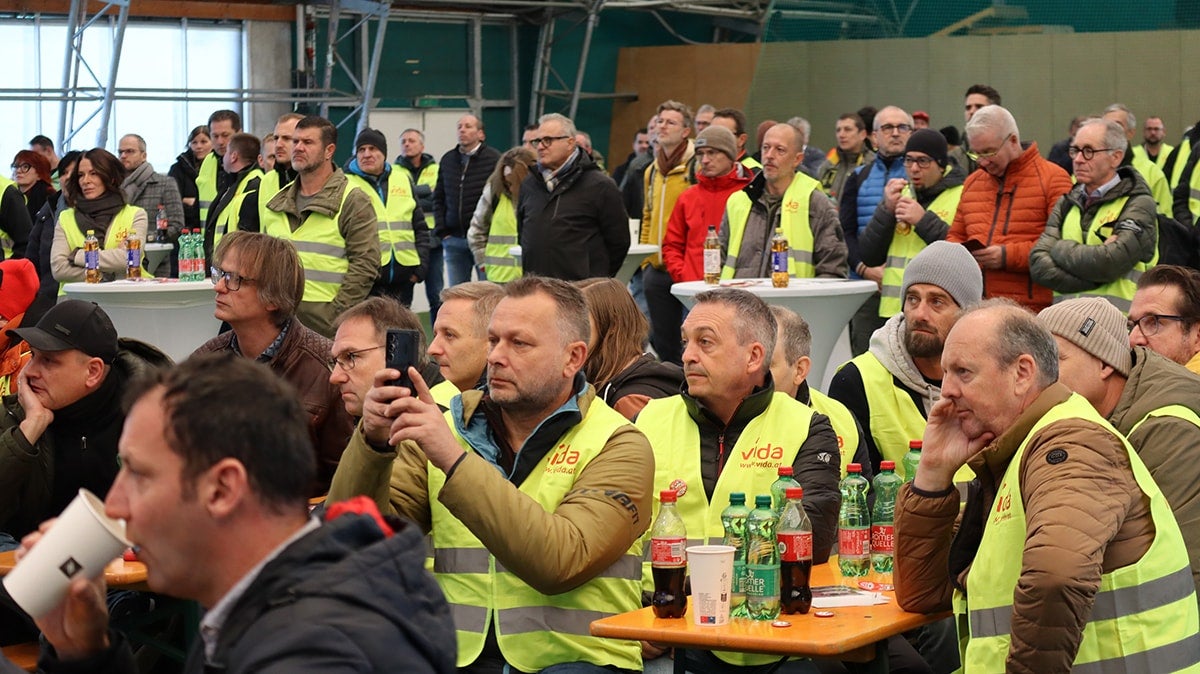
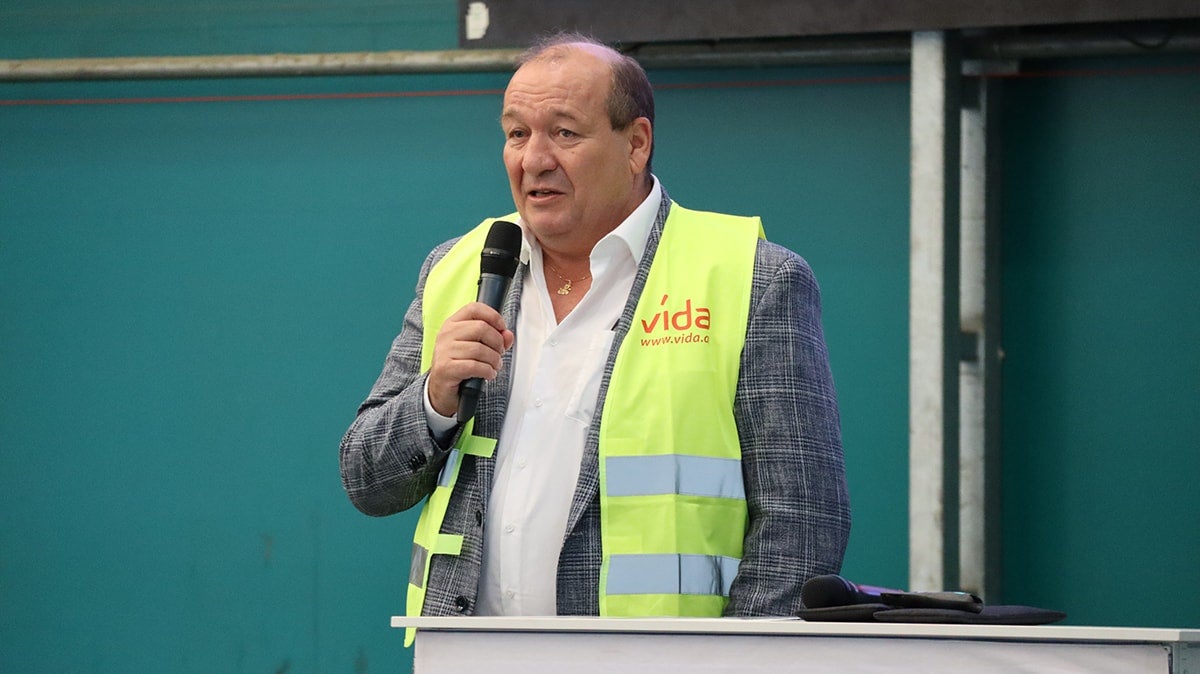
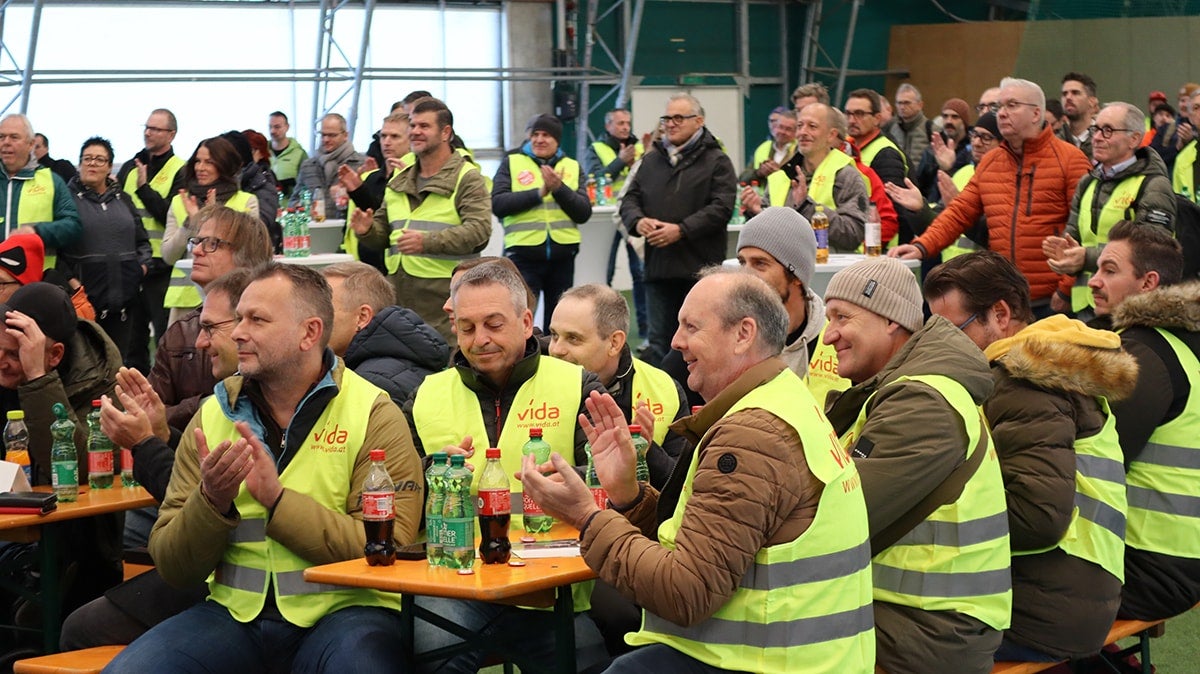
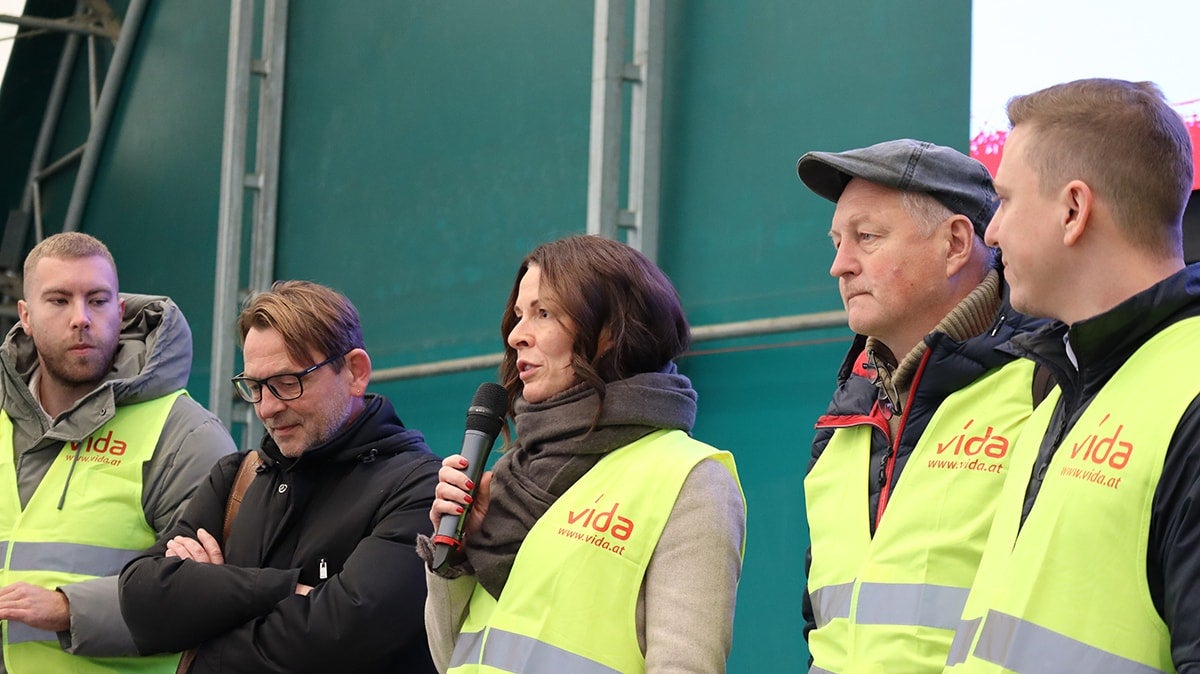
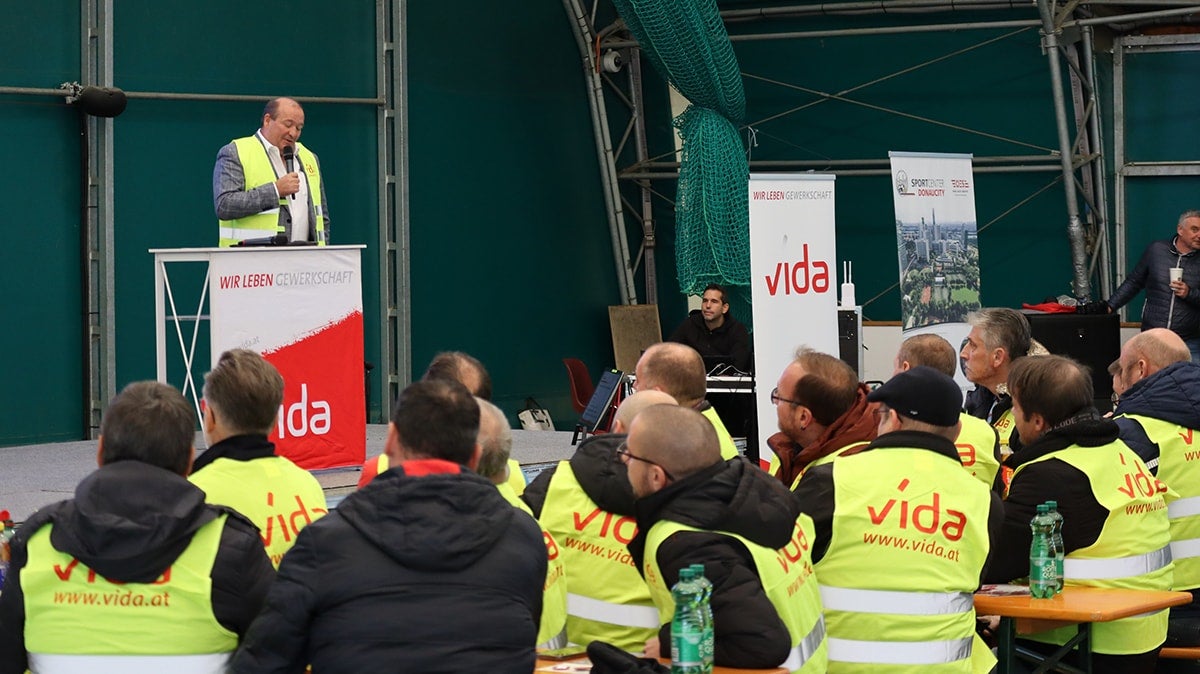
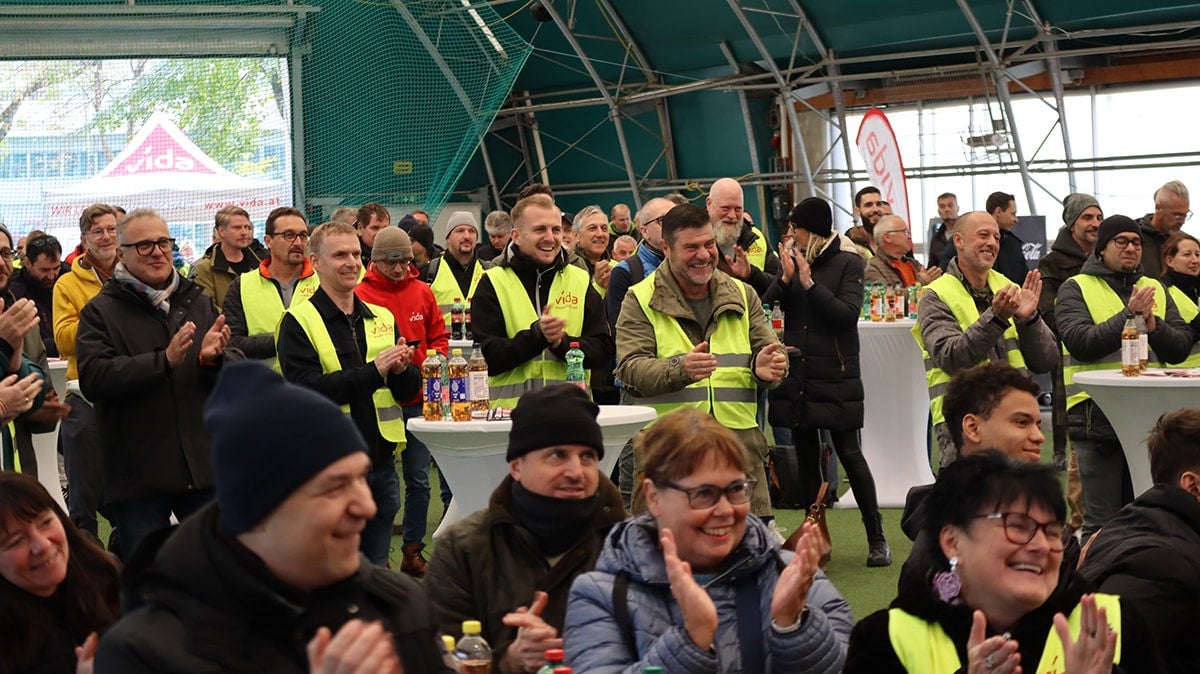
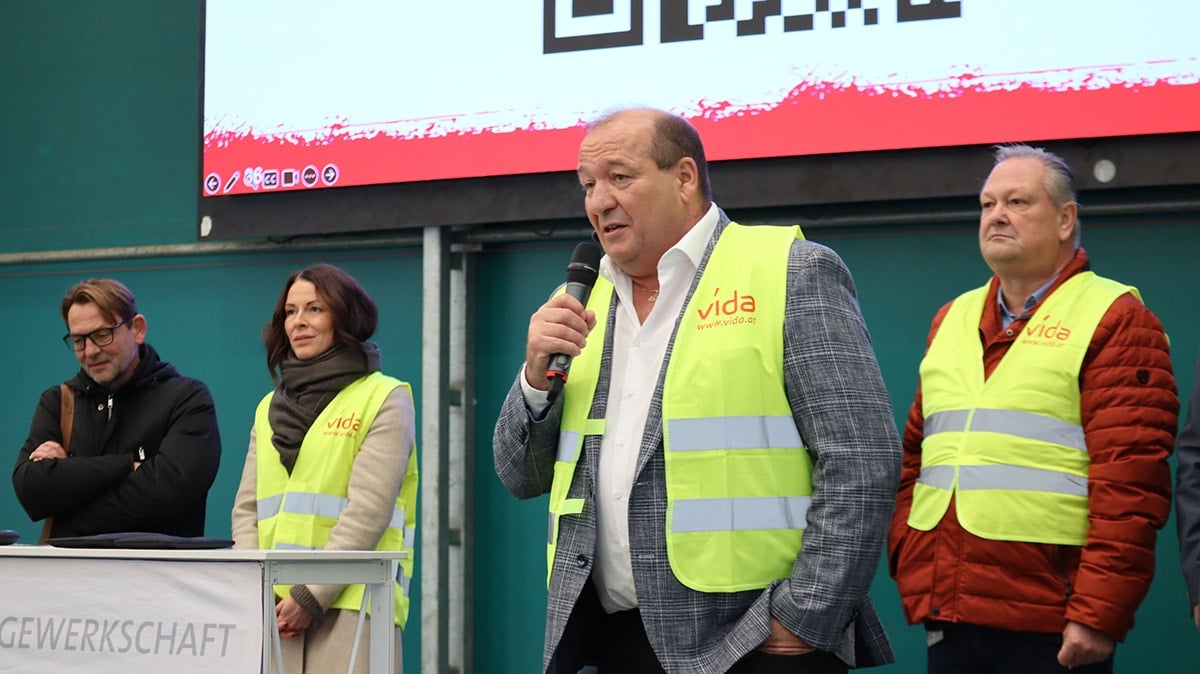
Since 2022, wages in the railway industry have risen by at least 27.5 percent or at least 580 euros. Furthermore, it was achieved that in the future both allowances will be paid for overtime on Sundays and public holidays, whereas previously only the allowances without overtime were paid out. In order to make the railway more attractive as a career choice for young people as well, it was also a special concern to enforce the demand of the vida youth for 1,000 euros in apprentice income in the first year of training. "We were able to achieve this in the technical apprenticeships with 1,010 euros from the first year of apprenticeship, i.e. an average increase of 4.75 percent," says Tauchner.
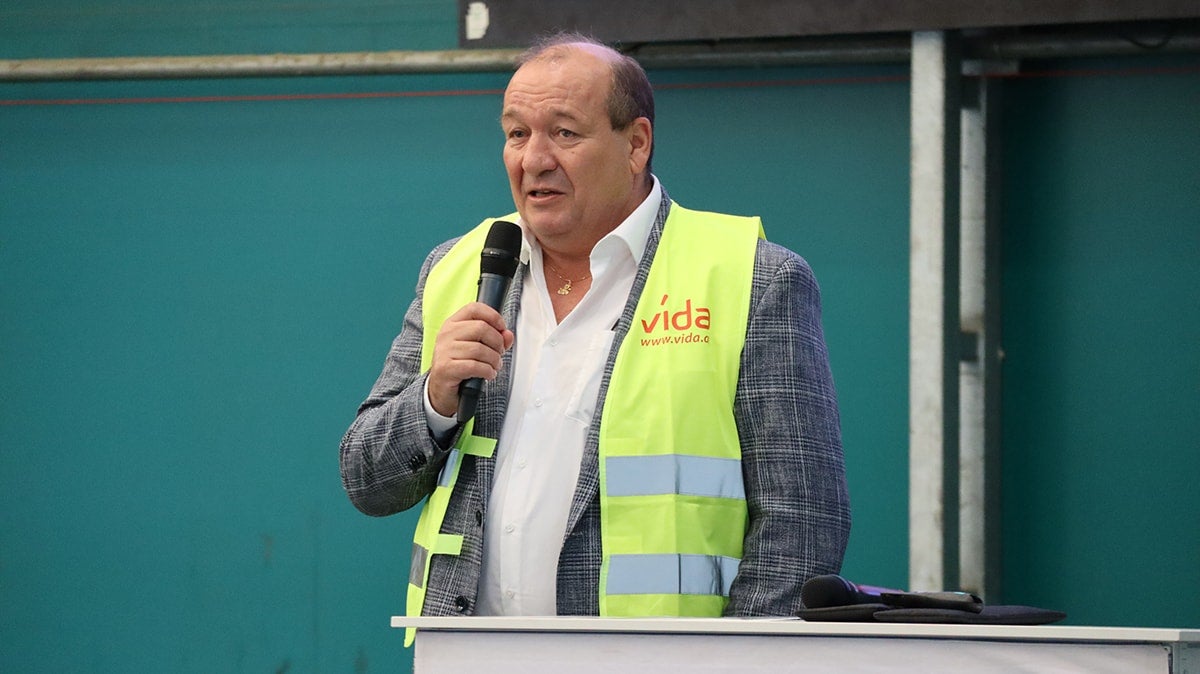
"I would like to thank all members and works councils for their support and overwhelming support. Without your willingness to fight behind you, this agreement would not have been possible!"
The working conditions of employees are also to be improved in concrete terms and the collective agreement is to be made fit for the future so that employees continue to enjoy working at Deutsche Bahn. "In a side letter to the result, we have therefore agreed that the collective bargaining framework law must be adapted to the operational challenges and necessities. The topics identified in the KV survey of spring 2024, such as night and weekend work, general working time regulations, assignment to salary tables, industry-specific special regulations, will be dealt with in working groups of the social partners from February 2025.
Current salary scales and collective agreements
Update: November 13, 2024
Railway CT: Conclusion reached
Railway workers will receive a 4.1 percent wage increase from December.
Today, the 4th round of collective bargaining negotiations for the 55,000 employees in the railway sector took place. In doing so, we have agreed with the social partner on a 4.1 percent increase in collective bargaining and actual salaries from December 1, 2024. The valorizable ancillary remuneration will also be adjusted by this percentage. In the future, incomes for technical apprenticeships will amount to 1,010 euros from the first year of apprenticeship. The rolling inflation on which the negotiations are based is 3.5 percent. The term of the collective agreement is 12 months.
"There are also improvements for employees in the collective bargaining framework law. In a side letter to the collective bargaining agreement, it was agreed, among other things, that the framework conditions will be adapted to the operational challenges and necessities."
Topics such as night and weekend work, general working time regulations, assignment to salary tables, industry-specific special regulations are to be dealt with. The working groups are expected to start in February 2025.
We will present the collective agreement to the works councils in the railway sector for a vote at a conference in Vienna on 14 November.
Update: November 04, 2024
For the third time, talks between the social partners took place today on the collective agreement negotiations for the 55,000 employees in the railway sector. The trade union vida specified its demand, which amounts to a 4.5 percent increase in collective bargaining and actual wages.
"The railway workers have earned an increase that must be above the rolling inflation of 3.5 percent. After all, the industry is booming with a new passenger record. In the event of an acute shortage of staff, 4.5 million overtime hours had to be worked. The additional additional burdens and the great commitment of the employees must be compensated."
One is on the right track in the collective bargaining negotiations with the employers, but there is still "a good gauge" apart, emphasizes Gerhard Tauchner. The employers have so far offered a maximum of 3.9 percent.
On 13. The next round of talks between the social partners in the railway sector will take place in November.
As a precautionary measure, an Austria-wide conference of works councils in the railway sector will be convened for 14 November. "At this conference, we will either be able to report on a successful collective agreement on the part of the union or consult with the works councils about the further course of action," Tauchner concluded.