Seeing the world with different senses
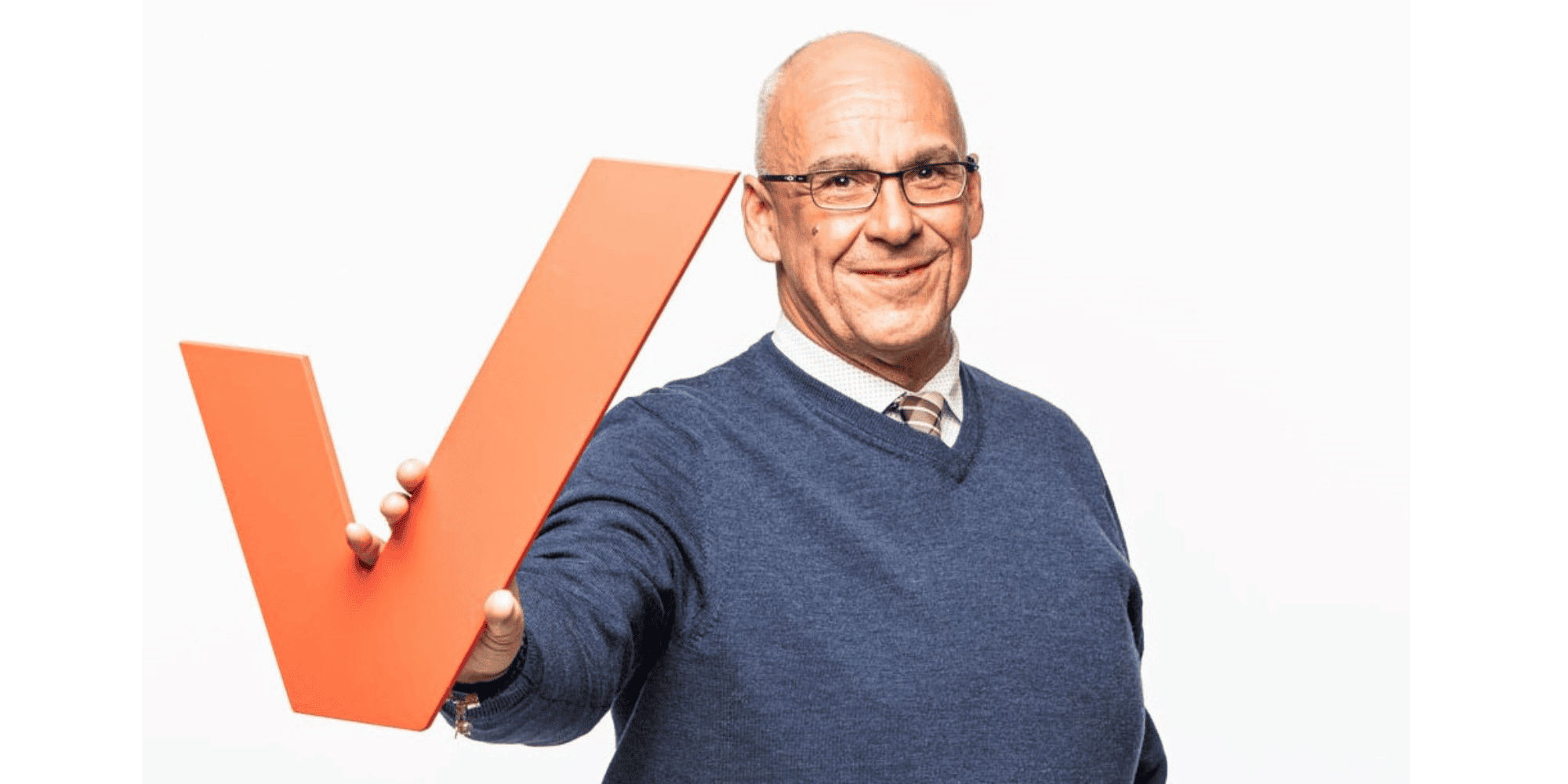
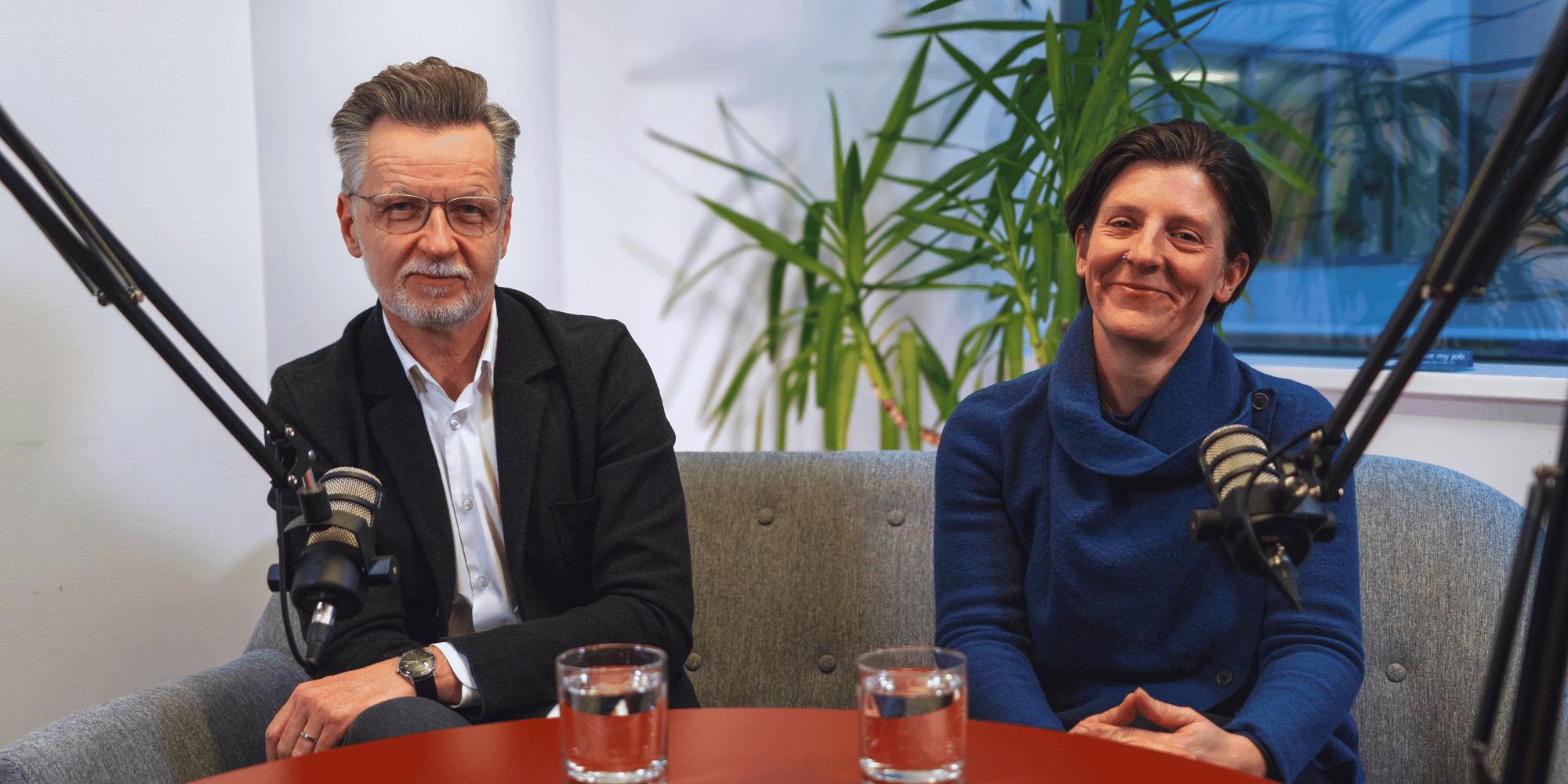
vida member Franz Kirnbauer is blind and talks about barriers, courage, inclusion and solidarity on "vidaHören".
vida Listen | Podcast
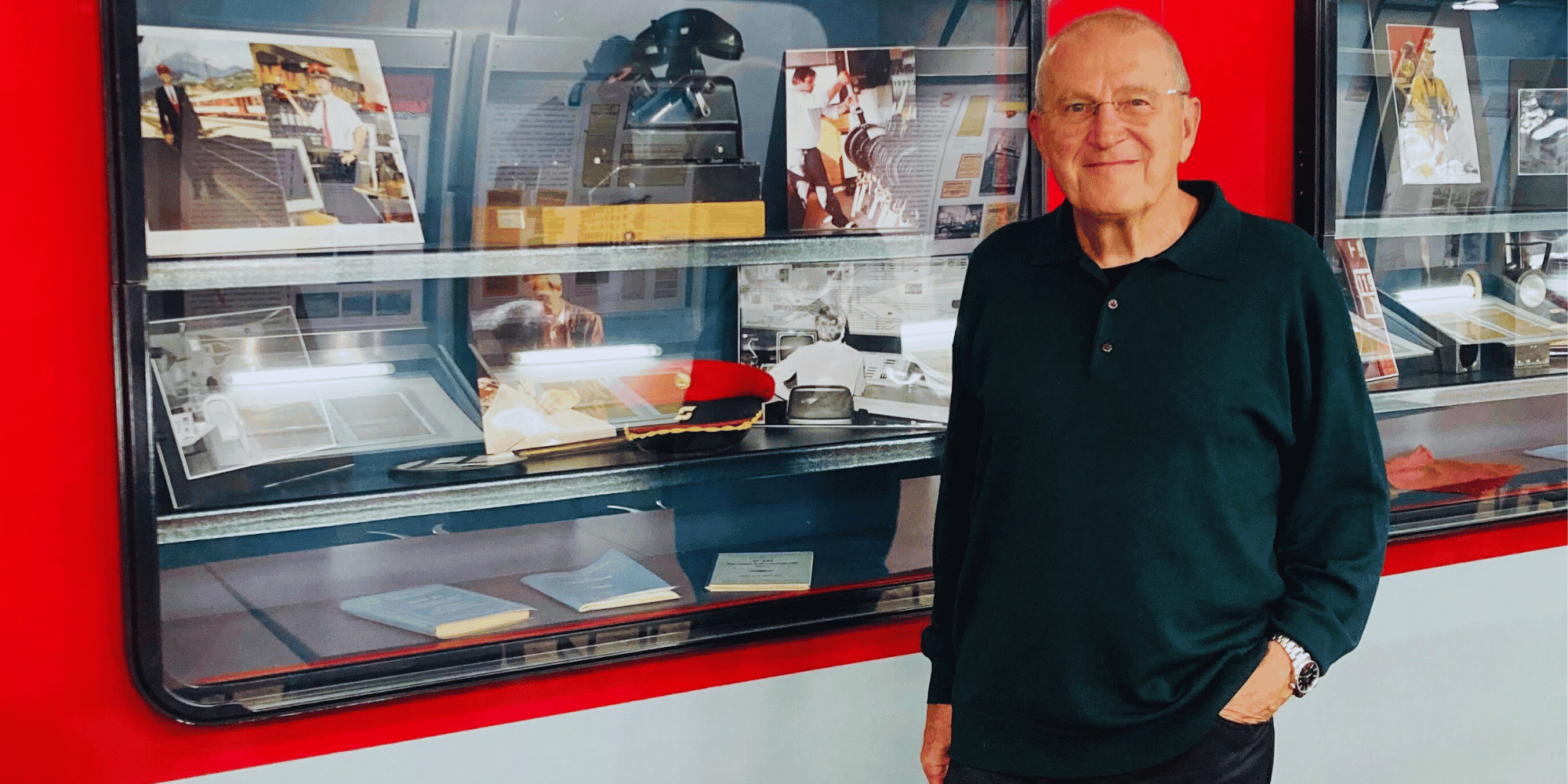
"The blind person lacks a sense – but four remain," says vida member Franz Kirnbauer in the podcast "vidaHören" – and thus opens up a perspective that shakes familiar ideas. How does a person perceive the world who has never seen? This question is at the beginning of a conversation that quickly makes it clear that the real challenge lies not in not seeing – but in the barriers of our society.
Perception is more than seeing
While our world is becoming more and more visual, Franz Kirnbauer shows that perception is multi-layered: sounds, smells, touches and atmospheres form an overall picture. Spaces are not only seen, but felt. Nature is not just a sight, but an experience. This does not mean less perception – but often a different one.
Between promotion and exclusion
Franz Kirmbauer grew up in Styria – in an environment that did not restrict him, but strengthened him. His family supports him without overprotecting him. A crucial difference. Because later he also experiences the other reality: children who are isolated for fear of danger and can only make social contacts late. His story shows that inclusion begins in everyday life – and in people's attitudes.
The long road to the world of work
400 to 500 applications. Hardly any answers. Many rejections. For Franz Kirmbauer, starting his professional life is a fight against prejudices. But he does not give up. With support and enormous perseverance, he finally succeeds in getting started – and a career that spans over four decades. Particularly formative: the fight for admission to a service examination. What is self-evident for others becomes a fundamental question for him. He exists – and thus changes not only his own situation, but also the perspective of those around him.
Barriers are created in the mind
There are many technical solutions. But the biggest obstacles are often invisible. Prejudices, uncertainties and false assumptions shape everyday life more than a lack of infrastructure. People are compared, categorized or underestimated. Franz Kirmbauer puts it in a nutshell: There are no such thing as "the blind" – but individual people with different abilities.
Everyday life in public spaces: Small hurdles, big impact
This is particularly evident in public transport. Guidance systems for the blind are blocked. Announcements are missing. Orientation is made more difficult. What seems trivial to many is decisive for self-employment for others. His concise comparison sticks: "Loudspeaker announcements are the monitors of the blind." A sentence that shows how important barrier-free information is for everyone.
Technology as the key – with limits
Digital aids have changed a lot: screen readers, Braille displays, smartphones. They enable participation, access to information and independence. But not everything has been solved – graphic content in particular remains a challenge. Accessibility is not a closed state, but an ongoing process.
Three wishes for the future
At the end, Franz Kirmbauer formulates three wishes – for society, politics and business:
- More mindfulness in everyday life
- Decisions in the interest of the people
- Respect instead of pure performance logic
These are simple demands – and at the same time fundamental ones.
Change of perspective as an opportunity
This podcast conversation shows that accessibility does not only affect a minority. It is a measure of how inclusive a society really is. Anyone who begins to look at the world from a different perspective quickly realizes that many hurdles could be avoided – with more awareness, consideration and openness. Or, as Franz Kirmbauer indirectly conveys: It's not about seeing things differently. It's about looking at things differently.
Not a vida member yet?
Get all vida benefits for only 1% of your gross monthly salary!