"It starts quietly – and often ends loudly"
Bullying in the workplace often starts insidiously – and that's exactly what makes it so dangerous. vida in conversation with prevention expert Günther Ebenschweiger.
vida Listen | Podcast

Imagine you go to work in the morning – and your first thought is not: "What's on today?", but: "Hopefully nothing happens today." A derogatory comment, a wrong look or the feeling of being systematically excluded: bullying often begins insidiously - and that's exactly what makes it so dangerous. Bullying is not an ordinary conflict, but a recurring pattern. It puts a strain not only on those affected, but on entire teams – and can cause great damage.
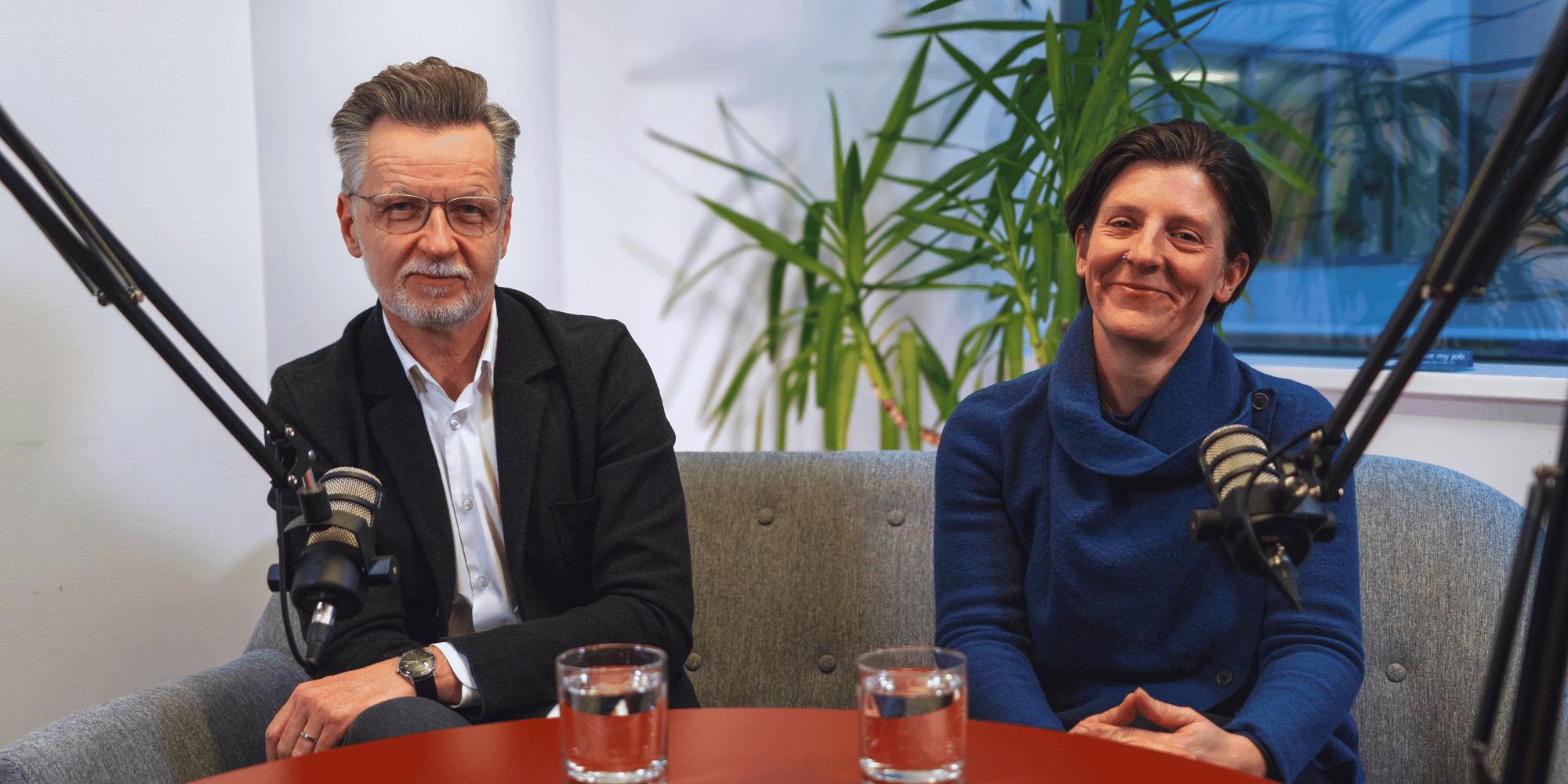
In a special episode of "vidaHören", expert Günther Ebenschweiger from the Mobbing-Zentrum Österreich is a guest. We talk about why bullying arises, which warning signs should be taken seriously and how to act in time.

"Bullying is systematic, repeated behavior over a longer period of time - with the aim of excluding or hurting a person. It rarely shows itself openly."Mobbing- und Präventionsexperte
Here is an excerpt from the podcast interview:
What is bullying - and how do you recognize it?
Günther Ebenschweiger: Bullying is systematic, repeated behaviour over a longer period of time – with the aim of excluding or hurting a person. It rarely shows itself openly: Subtle forms such as ignoring, excluding, ridiculing or withholding information are typical. Even small signals can be clues – rolled eyes, demonstrative silence or the feeling of being deliberately ignored.
Are there any warning signs?
Günther Ebenschweiger: The first sign is often a persistent feeling of malaise. Later, self-doubt and physical reactions such as sleep problems or anxiety are added. At that point at the latest, action should be taken.
Why does bullying arise in the first place?
Günther Ebenschweiger: Bullying is not a "problem between two people", but a group dynamic process. It arises when certain roles interact – and when the environment does not intervene. Corporate culture and leadership play a central role in this.
What are the consequences of bullying?
Günther Ebenschweiger: For those affected, the burden ranges from stress and illness to severe psychological consequences. Companies are also affected: motivation decreases, sick leave increases, productivity is lost.
What role do colleagues play?
Günther Ebenschweiger: A decisive one. If you say "stop" early, you can prevent bullying – silence reinforces the dynamic.
What can those affected do?
Günther Ebenschweiger: Don't stay alone: Talk to someone, document incidents and set clear boundaries. Get support, for example from the works council or the trade union.
What helps with prevention?
Günther Ebenschweiger: React early, speak openly and communicate respectfully. Managers must take a clear stance: bullying will not be tolerated.
Do you need our support?
Your trade union vida is there for you. Get in touch with us: