No train runs without us
The employees of ÖBB-Infrastruktur AG ensure that everything is safely on track around the clock - including on the new Koralm Railway.
Report
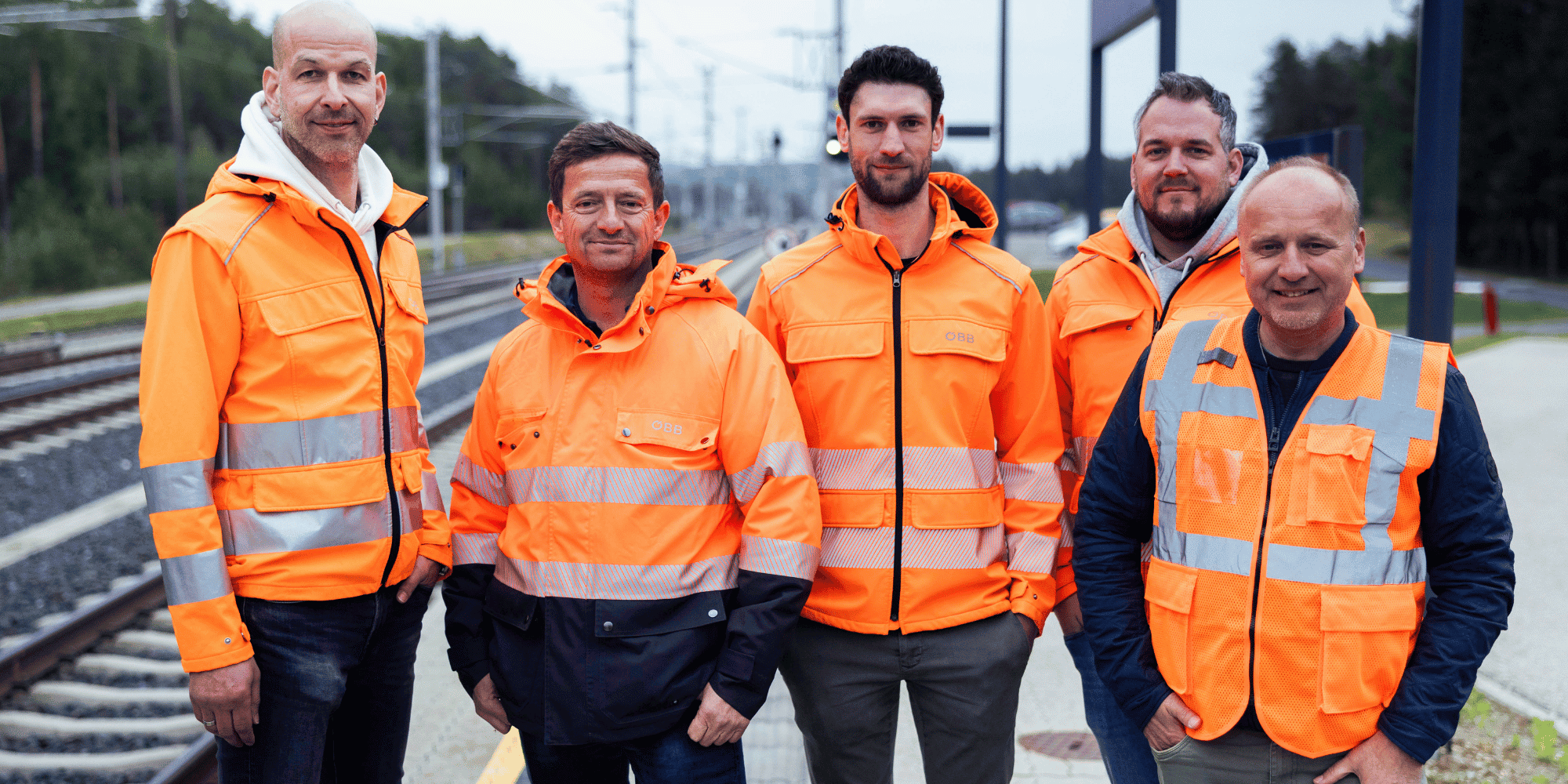
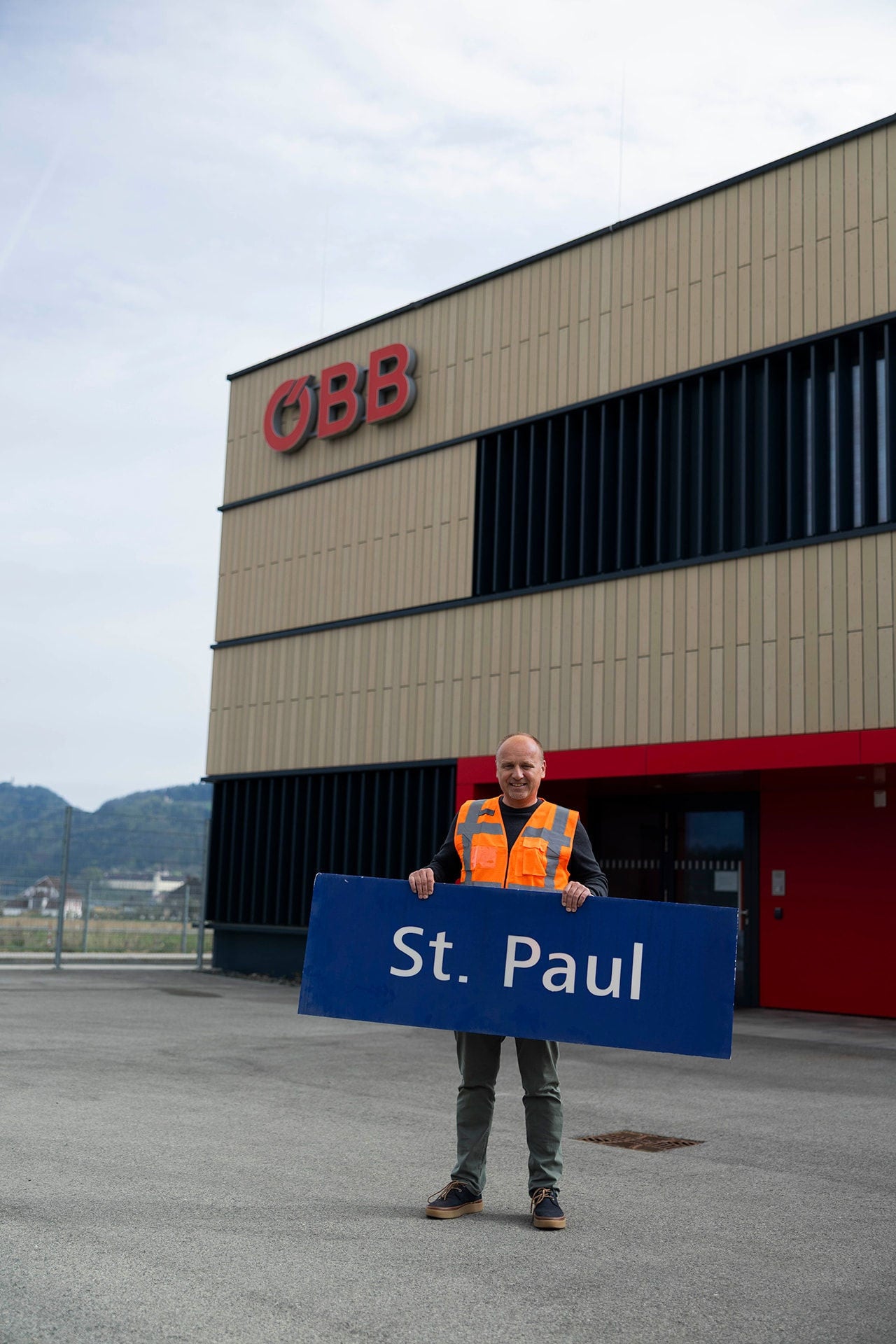
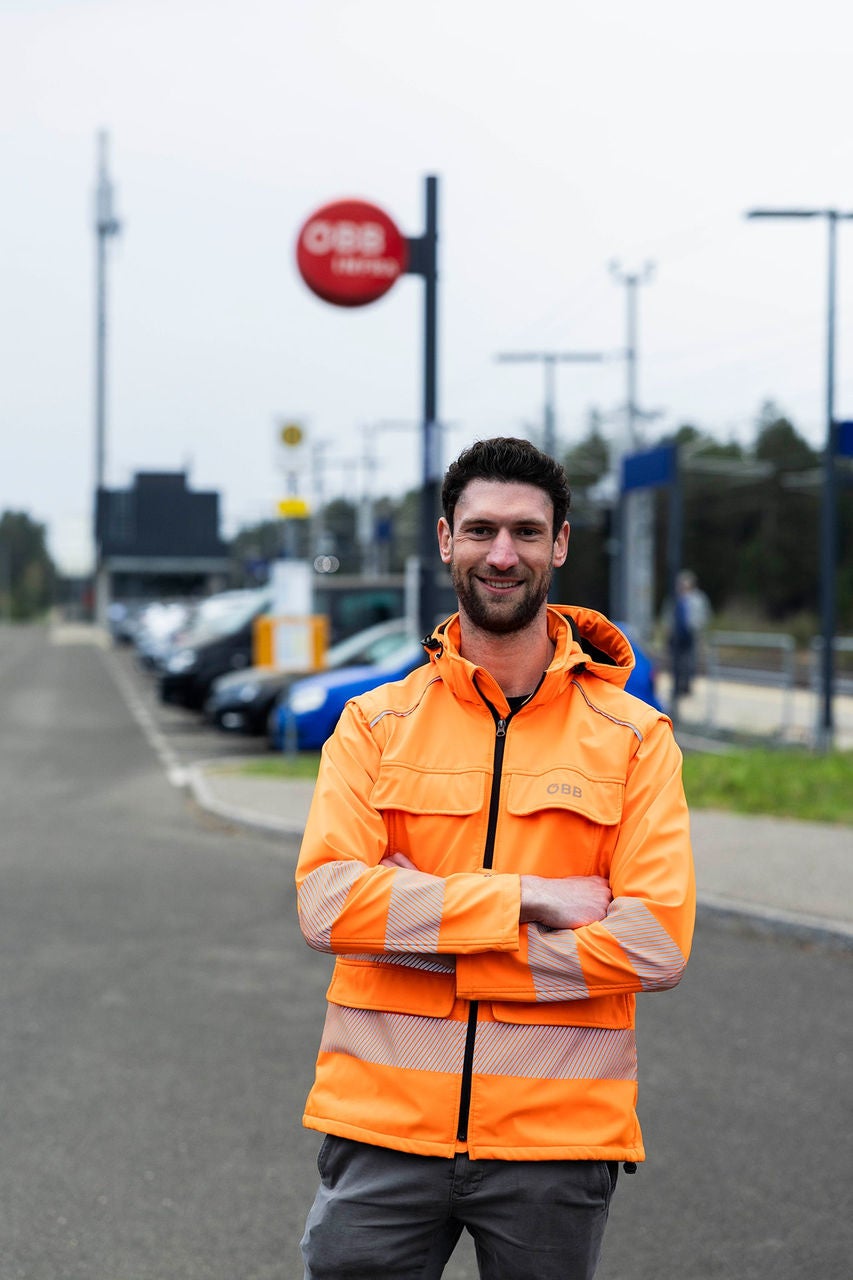
Deep in the mountain, in state-of-the-art control centres and on kilometres of tracks – this is where the new Koralm Railway runs. But the fact that everything works on time, safely and reliably is not a matter of course. Behind this smooth operation are people whose work remains invisible to most people. In front of the new base of ÖBB-Infrastruktur AG in St. Paul, responsible for route management and plant development, SAE for short, stands works council chairman Ernst Wölkart. Behind him lies a modern building – ahead of him a task that has only really begun with the opening of the Koralm Railway.
Project of the century on track
The Koralm Railway is part of the new southern line in Austria and is considered one of the most important infrastructure projects in Europe. It connects Styria and Carinthia in a completely new way and drastically shortens travel times. For this project of the century to work in everyday life, people are needed to keep the infrastructure running around the clock. More than 60 employees work at the SAE base in St. Paul, and there are over 500 in the entire South 2 region, who are reliably supported by works council member Ernst Wölkart.
Backbone of rail transport
Experts from a wide range of disciplines come together: from electrical engineering, track technology and safety technology to civil engineering and telematics. They monitor systems, check systems and intervene when something doesn't go according to plan – day and night. They usually remain invisible to passengers – and yet they are indispensable. "Taking the train from Klagenfurt to Graz in 45 minutes is a great thing. But this also requires a reliable infrastructure," says Ernst Wölkart. For him, his colleagues are the "silent heroes in the background" who keep the business running, around the clock, seven days a week, 365 days a year, in all weathers.
Third generation
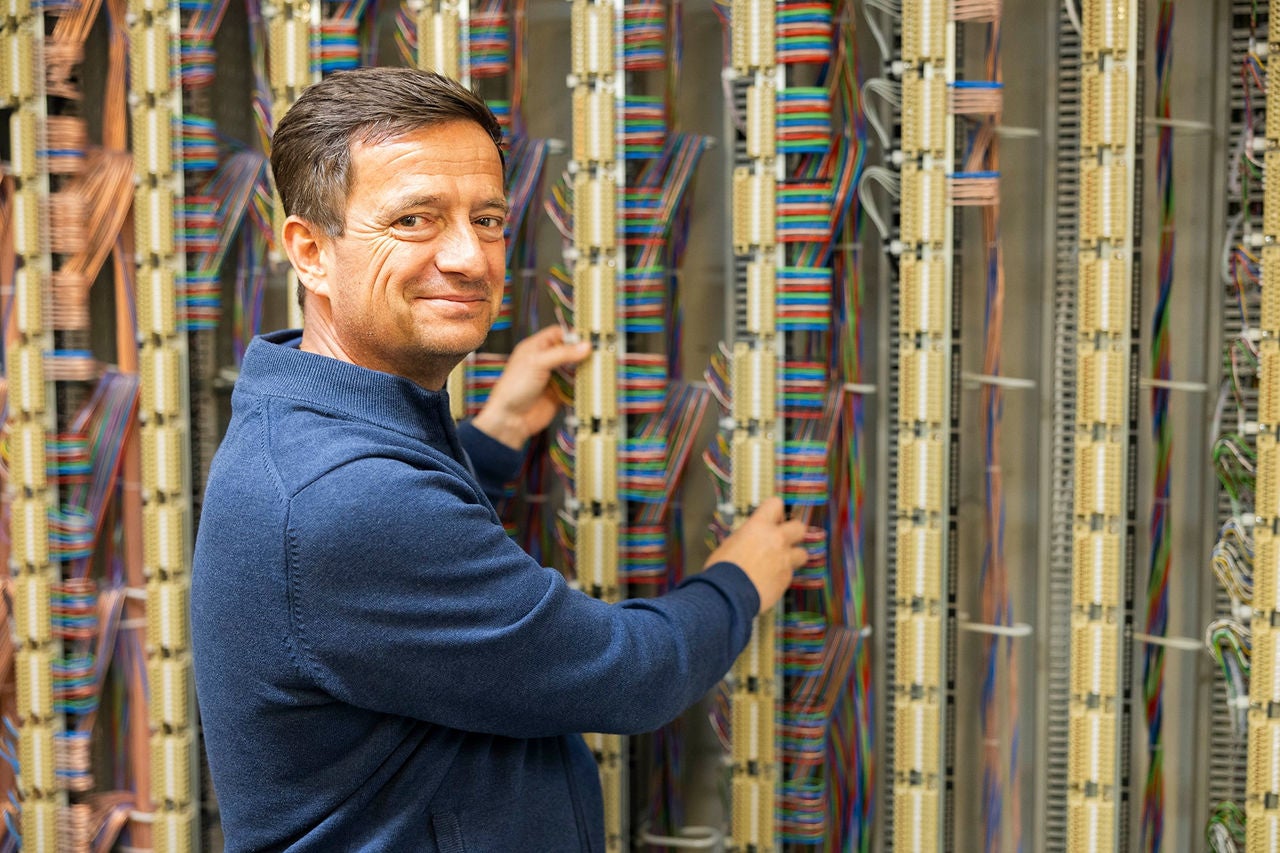
What railway infrastructure means often only becomes apparent in the details. Gerald Knaus knows these details exactly. In 1986, the railway worker started at ÖBB in the third generation, and today he is a specialist coordinator in the field of safety technology. Today, digital and electronic systems control train traffic on the Koralm Railway – with high precision and largely automated. Together with his team, Gerald Knaus maintains and debugs safety-related systems such as electronic interlockings, high-speed points and track vacancy detection systems – a task that requires the highest precision and great flexibility. Because work is usually done when others are sleeping. "There are so many trains running during the day that we hardly have any maintenance windows." For Gerald Knaus, this is much more than just technology: "I am proud that I am helping to ensure that the trains here on the Koralm Railway run safely every day."
Under high voltage
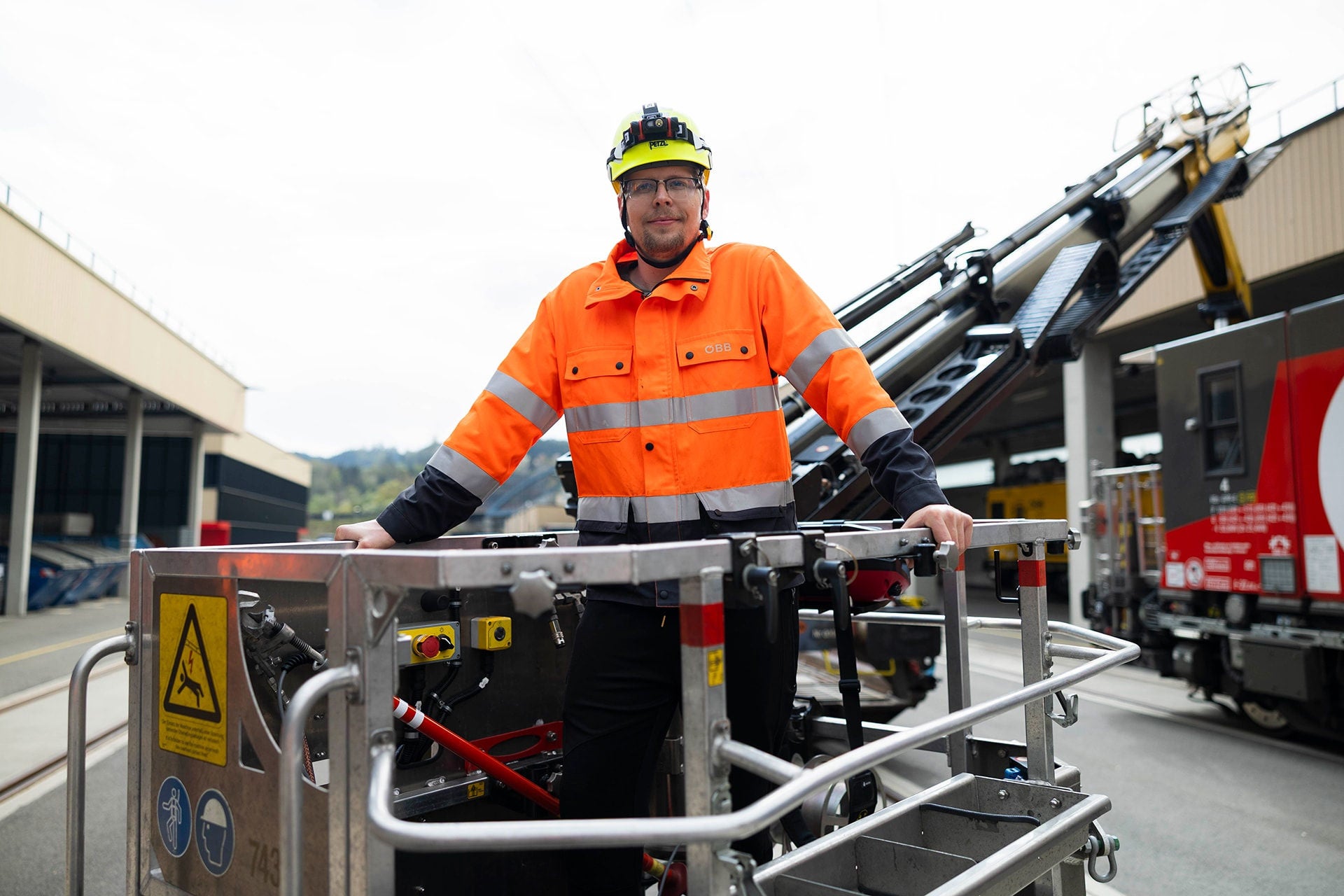
A few kilometres further on, along the route, a completely different part of this work becomes apparent: Robert Reinhart is on duty where the electricity flows – often at dizzying heights. Robert Reinhart has been employed by ÖBB since 2014. What fascinates him is something invisible: electricity. "You can't see electricity, you can't hear it – but it's always there. And you have to know how to deal with it." Together with his colleagues, the electrical engineer ensures that the energy supply remains stable. The traction power systems are regularly checked and, if necessary, damage is repaired. A new, modern high-performance maintenance vehicle is used, with which Robert Reinhart and his colleagues reach heights of up to 24 meters. "You see a lot of things here at work that others don't see – and that's exactly what makes it so exciting."
Strong foundation
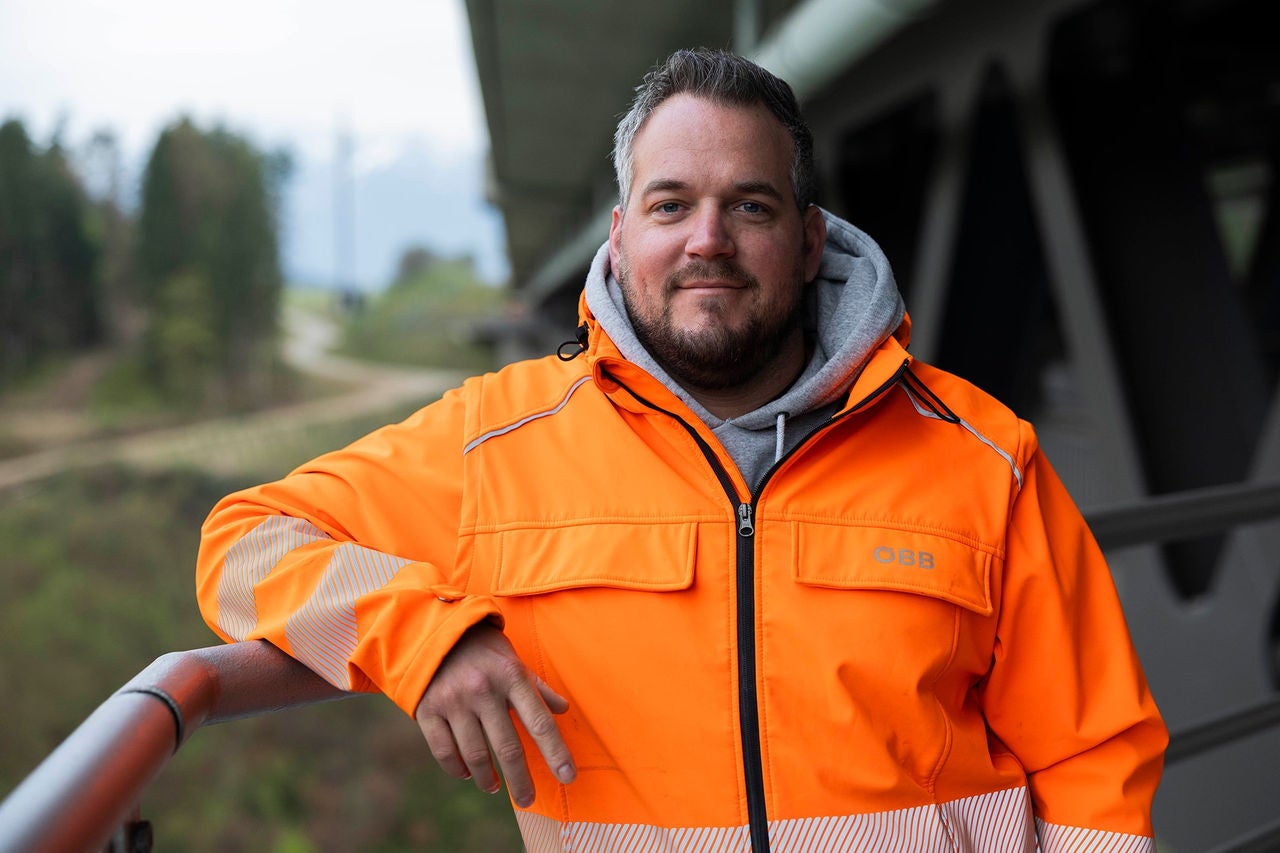
But work is not only being done on and above the tracks - regular checks are also needed underneath. On the 130 km long new line, there are around 100 bridges and 12 tunnels. Philip Pajer, as work coordinator for civil engineering, takes care of one of the most spectacular structures of the Koralm Railway: the Jauntal Bridge. With a height of 96 metres, it is one of the highest railway bridges in Europe. "We check the supporting structure, the concrete and steel construction and the bearing positions," reports Philip Pajer. For the civil engineer, the move to ÖBB eight years ago was also a decision for stability. "I used to work all over the world and often spend weeks away from home," he says. "Today I'm at home with my family every day." Especially during the Corona period, it became clear to him what a secure employer means: "While many of my former work colleagues suddenly found themselves without work, we were able to work every day at ÖBB."
Setting the course
From the bridge back to the track: Here we meet Christoph Rabensteiner. Together with his team, the track technician is responsible for the maintenance, inspection and servicing of the track systems. These can be driven at up to 250 km/h in regular operation. "During the point measurement, the trains on the neighboring track pass us directly at a reduced speed of 160 km/h." Measurements are taken in the tenths of a millimetre range – the smallest deviations can have a major impact. It is precisely the mixture of office work and on-site assignments that makes it so appealing to Christoph Rabensteiner. "You are outside and can see directly what the work is doing. That's something special."
Good work under good conditions
Back to the SAE base in St. Paul. Different professional groups work hand in hand here. Every system inspection is crucial, every task bears responsibility – for the safety of trains, passengers and colleagues. Works council member Ernst Wölkart also bears responsibility. He always has an open ear for the concerns of the workforce. Whether labor law or collective bargaining agreement – his everyday life is diverse. A major issue is overtime and increasing night shifts. Employee protection also plays a central role for him: "Many colleagues work in the track area. There are strict safety measures for this, which we of course pay special attention to." What does Ernst Wölkart wish for his colleagues? "Clearly: appreciation and health!" Because one thing is clear: it is the employees of ÖBB-Infrastruktur AG who keep the country on track.
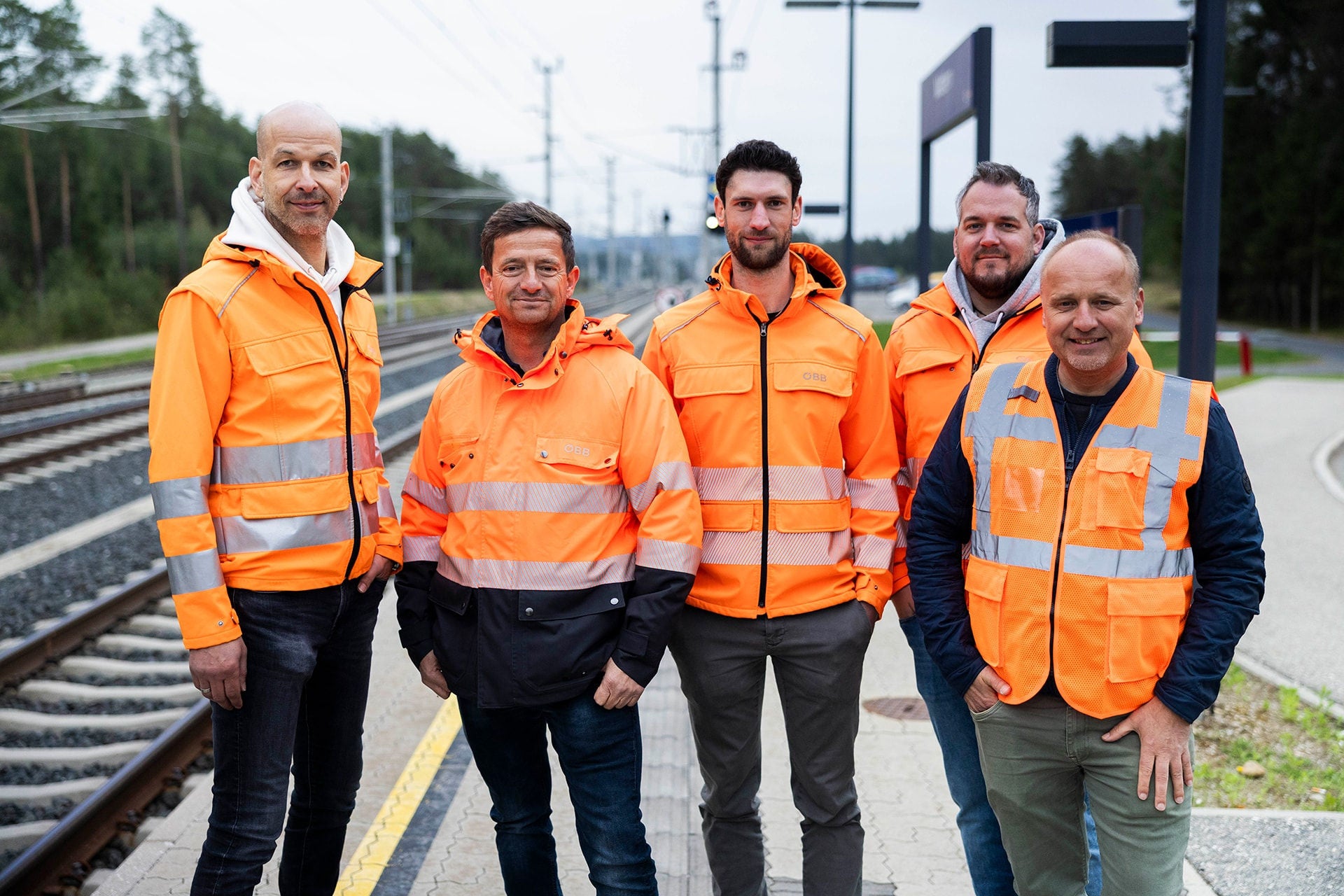
Photo Gallery
Good reasons to become a member right now
- You strengthen the bargaining power – the more we are, the better the collective agreements.
- Legal protection and advice when things get serious.
- Co-determination in the company: You give weight to your voice.
- Continuing education and networking: Sharing knowledge, learning strategies, winning together.
- All the benefits of a large community
- Solidarity that carries – even when things get uncomfortable.
Do you want negotiations to take place on an equal footing again – with results that reach your wallet?