7 demands to save European rail freight transport
Falling market shares, endangered jobs and the threat of shifting to the roads: The European Transport Workers' Federation presents a comprehensive list of demands for the future of rail freight transport.
ETF
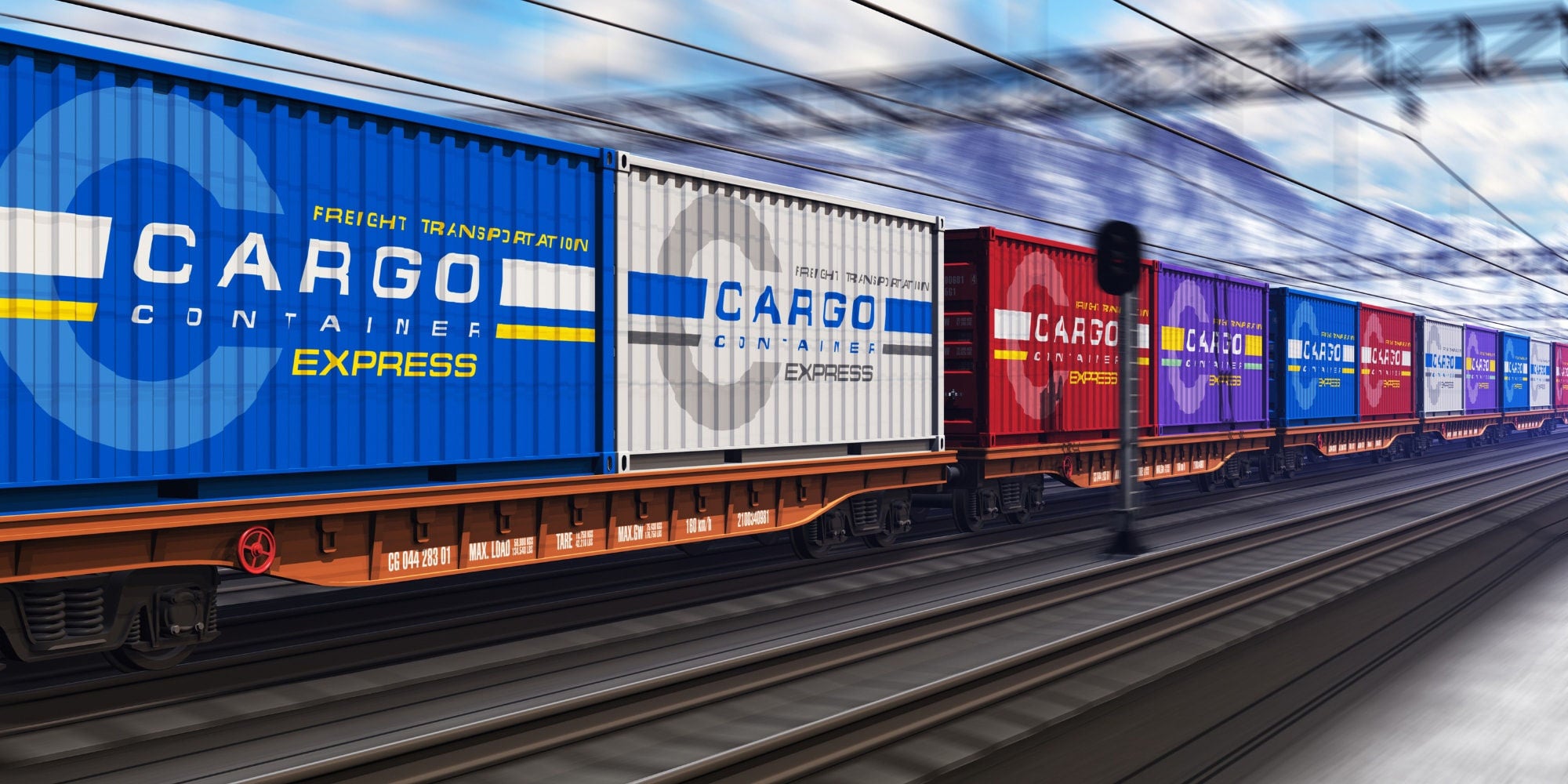
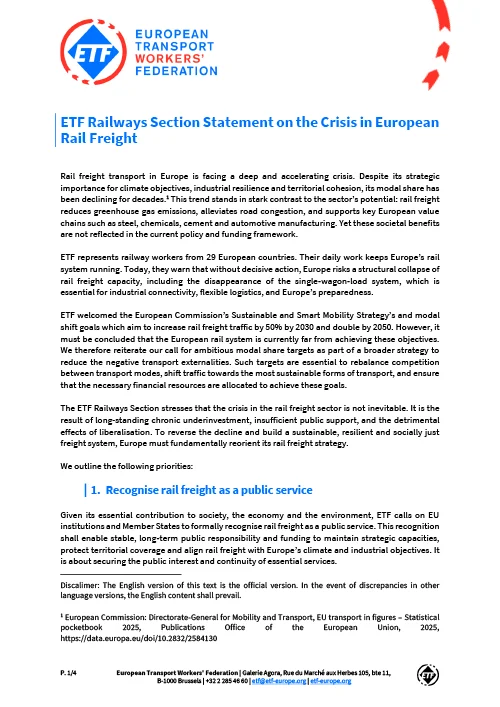
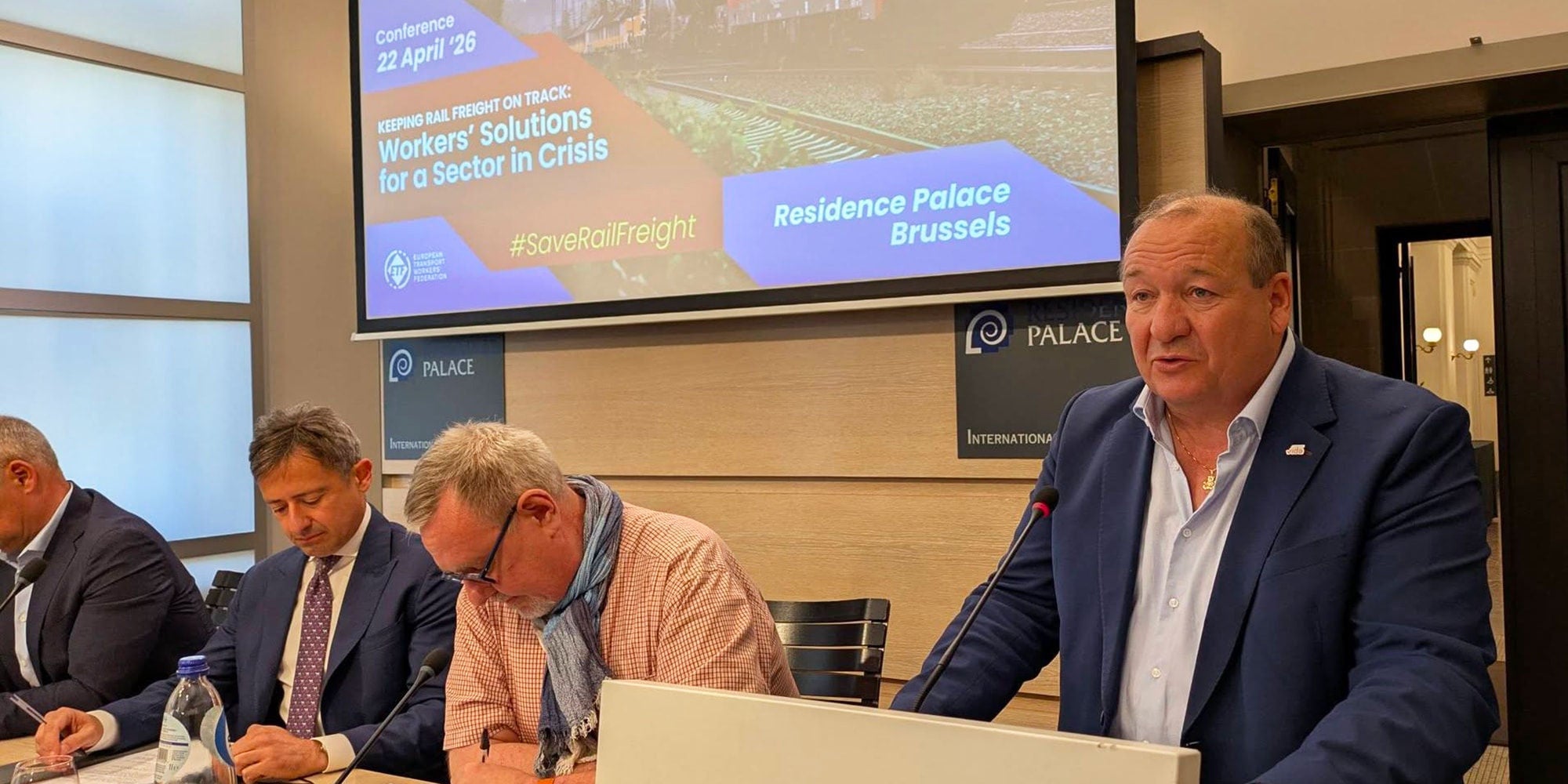
On 27 May 2026 in Tbilisi, the ETF Railway Section adopted a statement with 7 demands to save rail freight transport in Europe. The latter is in the midst of a worsening crisis – its share has been declining for decades, despite its key role in climate, industry and cohesion. Rail relieves roads, reduces emissions and supports central European supply chains, but this importance is hardly reflected politically and financially.
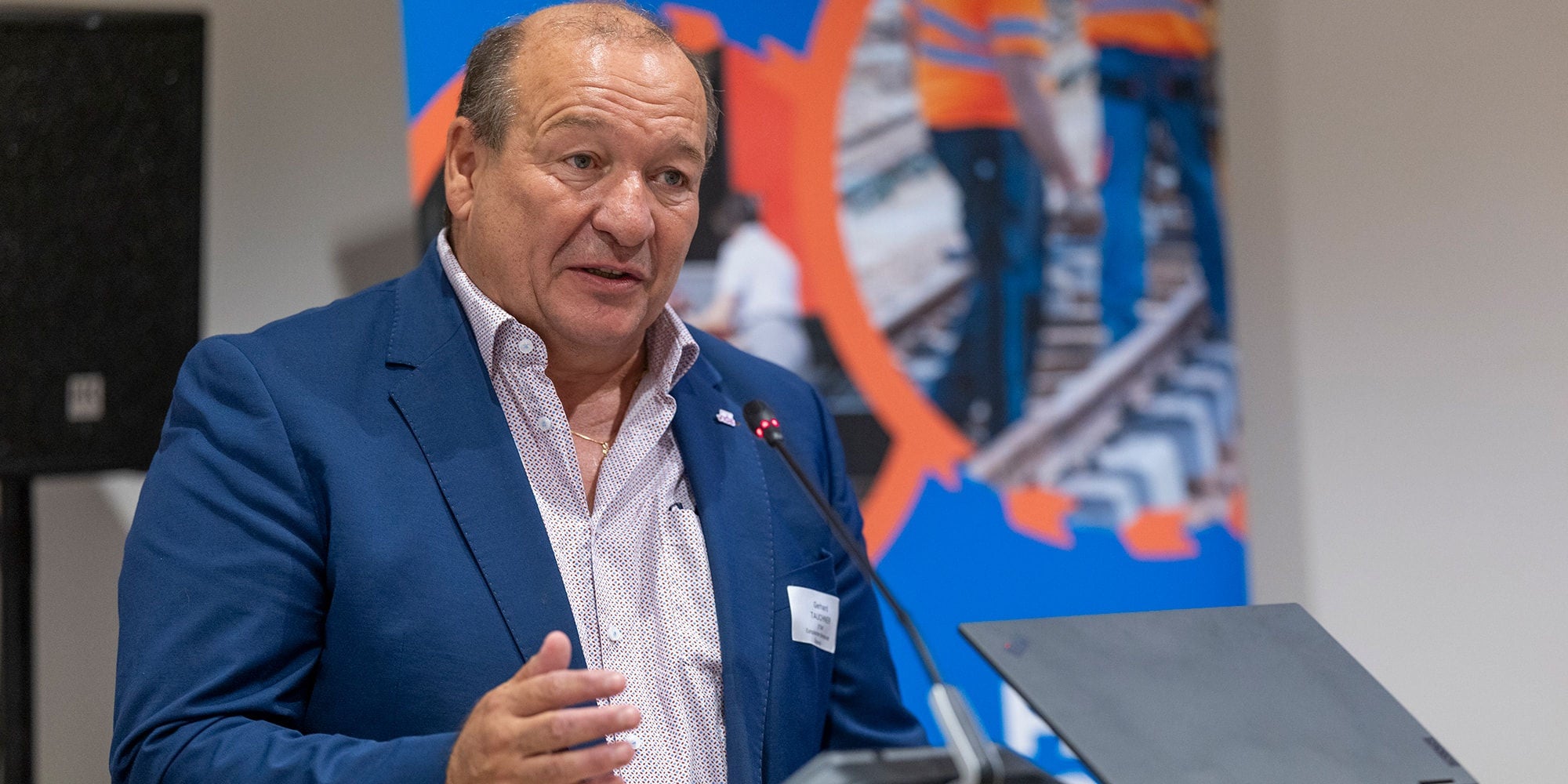
The ETF, which represents railway workers from 29 countries, under the chairmanship of ETF Railway President Gerhard Tauchner, warns of an imminent structural collapse of rail freight transport capacities – up to the disappearance of the single wagonload system, which is essential for industry and supply.
Ahead of the Council meeting of European Transport Ministers on 8 June 2026 in Luxembourg, where a common position of member states on rail freight transport was discussed, the ETF submitted its 7 demands to the Council President, Transport Minister Alexis Vafeades from Cyprus, with the request to take into account the measures identified by the ETF to save rail freight.
The ETF Rail Section therefore demands:
1. Recognition of rail freight transport as a public service
Given its important contribution to society, the economy and the environment, the ETF calls on the EU institutions and Member States to recognise rail freight as a service of public interest. This is intended to ensure long-term public responsibility and funding to maintain capacity, ensure supply and support Europe's climate and industrial goals.
2. A coherent long-term strategy underpinned by sustainable public investment
Public responsibility for key freight transport functions is essential to ensure the continuity of key services even where they are not economically viable. Therefore, the ETF calls for a governance model that ensures long-term planning and security of supply, as well as the lifting of all restrictions on state aid to rail freight transport by the European Commission.
3. Strategic support for single wagonload transport
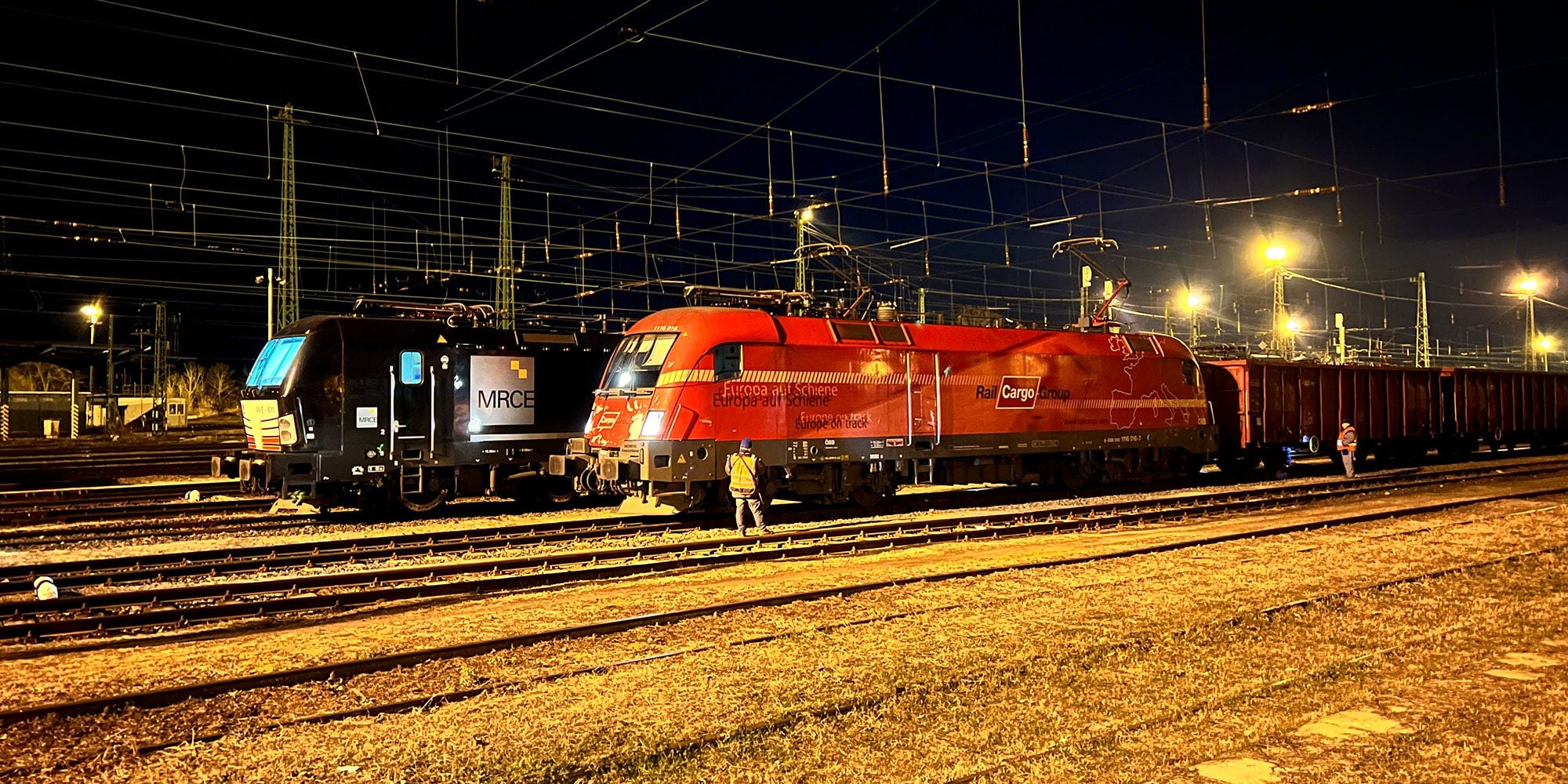
Single wagonload transport is an indispensable part of Europe's industrial and logistics infrastructure. It enables the connection of regional companies and industries that cannot use block trains and at the same time acts as an important feeder for larger train traffic. The abolition of the ERA would shift considerable flows of goods to the roads, with negative consequences for the climate, infrastructure and regional economic areas. Since all segments of rail freight transport are closely linked, the abolition of the ERA would jeopardise the performance of the entire rail system.
4. Cooperation instead of competition as the basis of a European rail freight network
Rail freight transport can only function as a cooperative network. Cooperation, interoperability and multimodal integration must be specifically promoted. These include better connections to ports, logistics centres and industrial regions, greater involvement of major logistics players in the green transition and the promotion of combined transport. Since competition has not achieved the expected modal shift, cooperation and public responsibility must be placed more at the heart of European transport policy.
5. Working conditions: the basis for safety and quality
Rail freight transport cannot grow without its employees. But working conditions have deteriorated under competitive pressure, which has led to difficulties in attracting new workers.
Therefore, the ETF calls for reliable recording of working and rest periods, adequate working conditions and sanitary facilities, equal pay for equal work, high-quality and Europe-wide standardised training, and the use of new technologies to improve safety and reduce physical stress. Sustainable rail freight transport requires decent work.
6. A level playing field for all modes of transport
Europe needs an inclusive transport policy that values each mode of transport and its benefits in terms of social, environmental and economic sustainability. Rail freight transport is in hopeless competition with modes of transport where social dumping is widespread and environmental costs are externalised and borne by society. A credible modal shift strategy must therefore include fair competitive conditions through the internalisation of external costs, consistent enforcement of social and environmental standards in road transport, fair taxation and the systematic integration of rail into logistics and location decisions. This is the only way to succeed in the desired modal shift to rail.
7.
Solidarity with workers and a call for urgent actionThe ETF declares its full solidarity with rail freight workers and trade unions who are committed to preserving jobs and the future of the sector. Restructuring must be socially acceptable, avoid redundancies and ensure security and long-term stability.
Rail freight transport is a central component of a sustainable, resilient and socially just transport system. The time for incremental adjustments is over. Europe must now act decisively and coherently to secure the future of rail freight and the workers who make it possible.