Solutions for an industry in crisis
Rail freight transport (SGV) in Europe is facing considerable challenges.
Rail freight transport
Rail freight transport (SGV) in Europe is facing considerable challenges. These affect the employment situation and working conditions of workers in the sector and also have an impact on environmental policy objectives, economic development and the resilience of European supply chains.

"Rail freight transport is the lifeline of European industry. Without it, production lines would come to a standstill."Präsident der Sektion Eisenbahn in der ETF
Keeping rail freight on track
Against this background, the European Transport Workers' Federation (ETF) is consistently committed to strengthening the SGV in Europe. At the same time, the ETF draws attention to the current difficult situation in the sector and presents solutions from the perspective of workers and their ETF member unions.
Importance of single wagonload transport
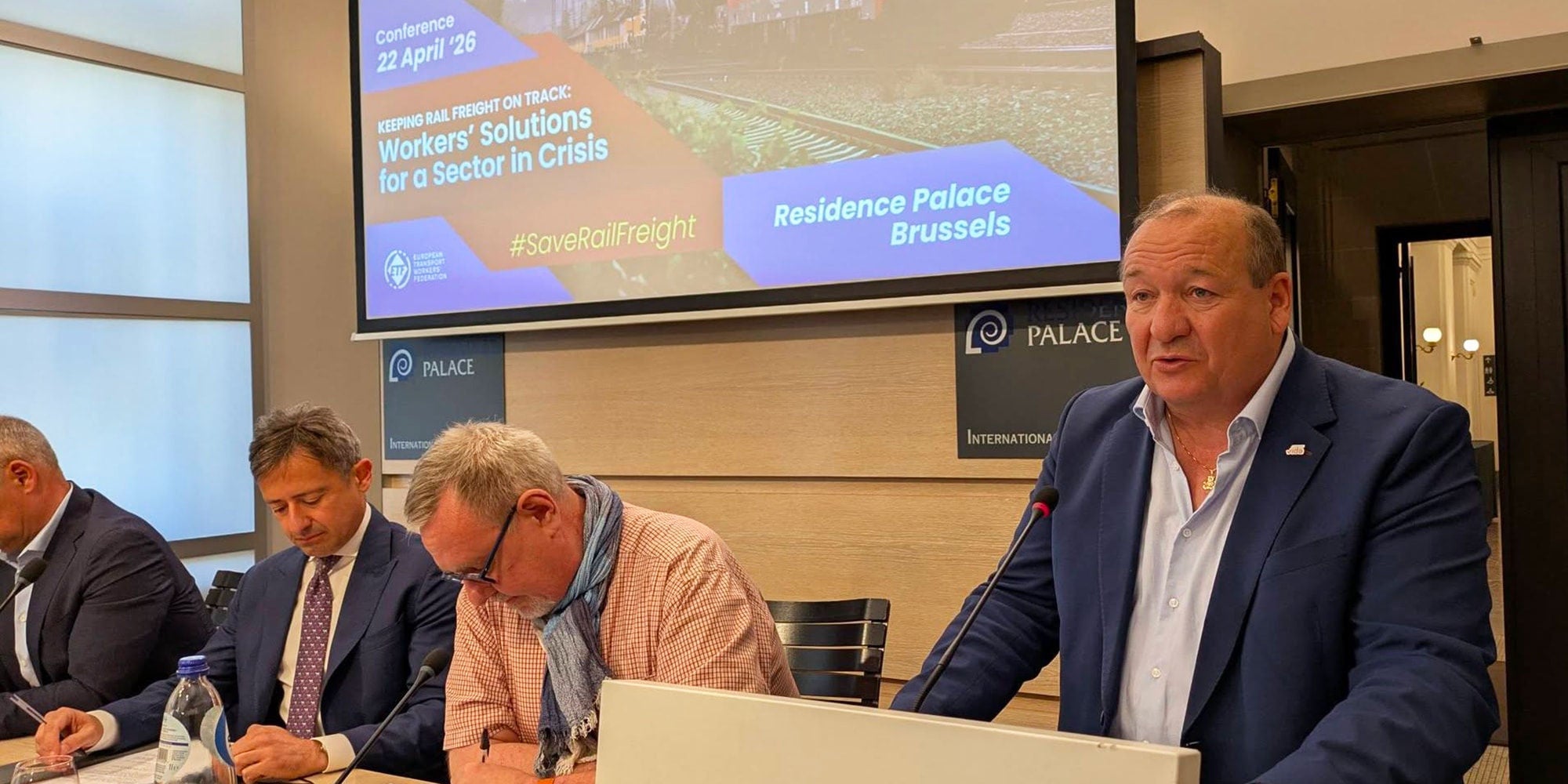
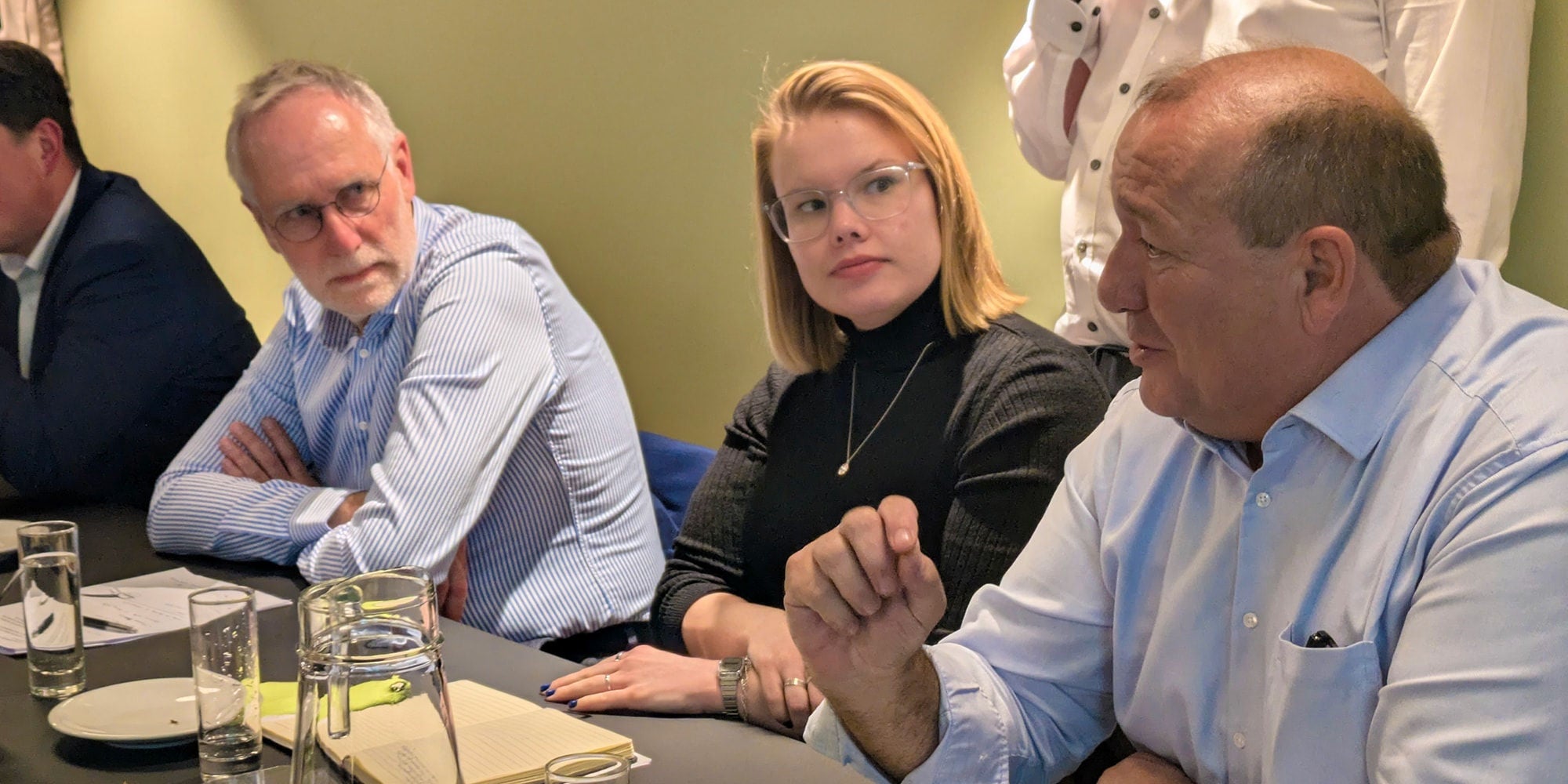
This time, the ETF's event on 1 July 2026 in Budapest made it possible to bring the importance of single wagonload transport into the debate on the future direction of Hungarian transport policy. This was specifically funded in Hungary until 2025, but in 2026 the funding was discontinued. The discussion was based on a recent study on the economic importance of single wagonload transport for industry and employment. On this basis, a constructive dialogue was held between ETFs, trade unions from several EU member states and company representatives.
Lifeline of European industry
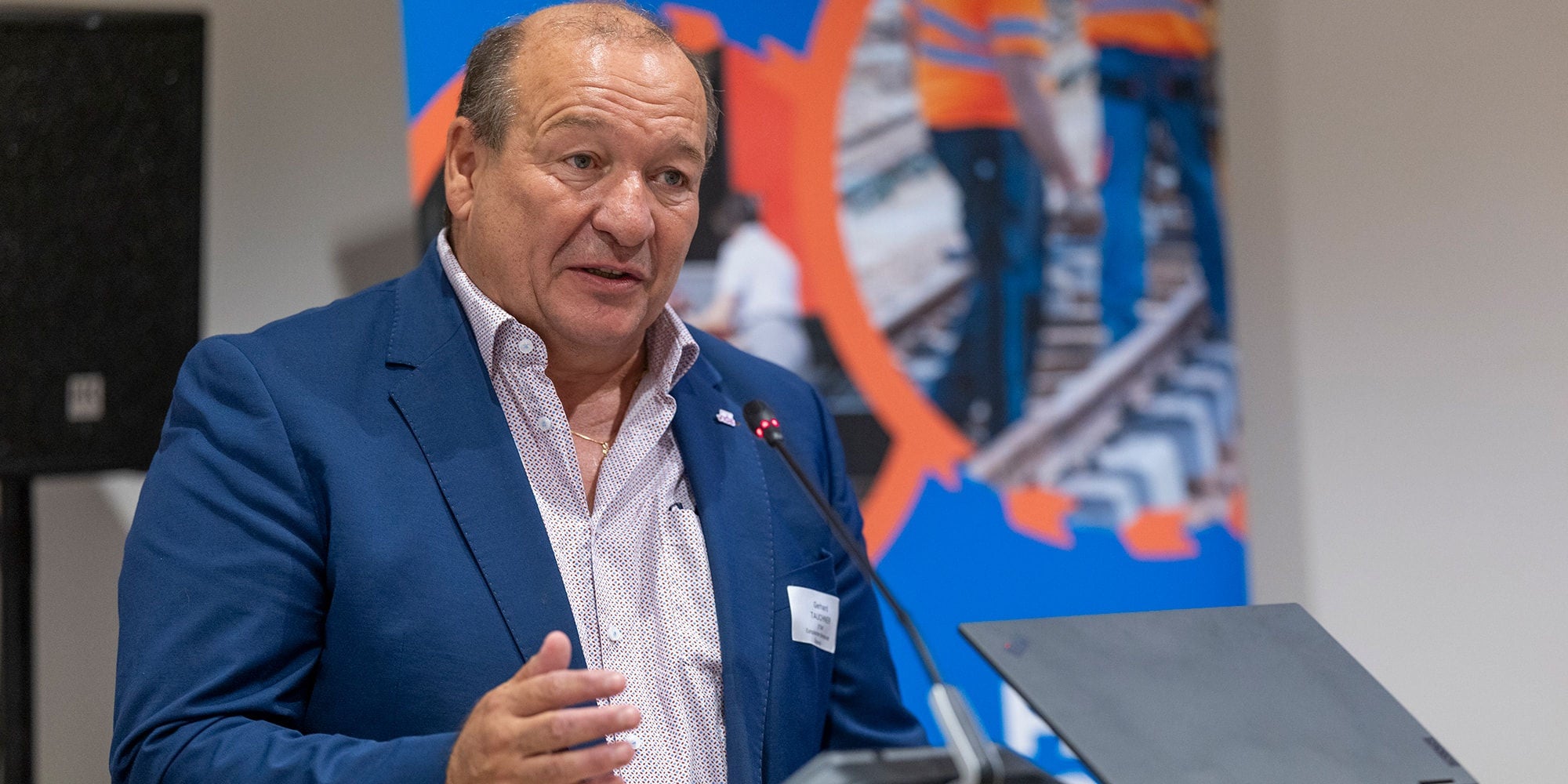
"Rail freight transport is the lifeline of European industry. Without it, production lines would come to a standstill, supply chains would break, and the road would collapse under the load – in the truest sense of the word," Gerhard Tauchner, President of the Railway Section in the ETF and Chairman of the vida Railway Department, stated at the event in Budapest.
Europe's strategic topic for the future
"The industry is in crisis, the employees are bearing the consequences. Rail freight transport must be treated as a strategic issue for Europe – not as a problem for individual companies," added Jedde Hollewijn, ETF consultant for railways.