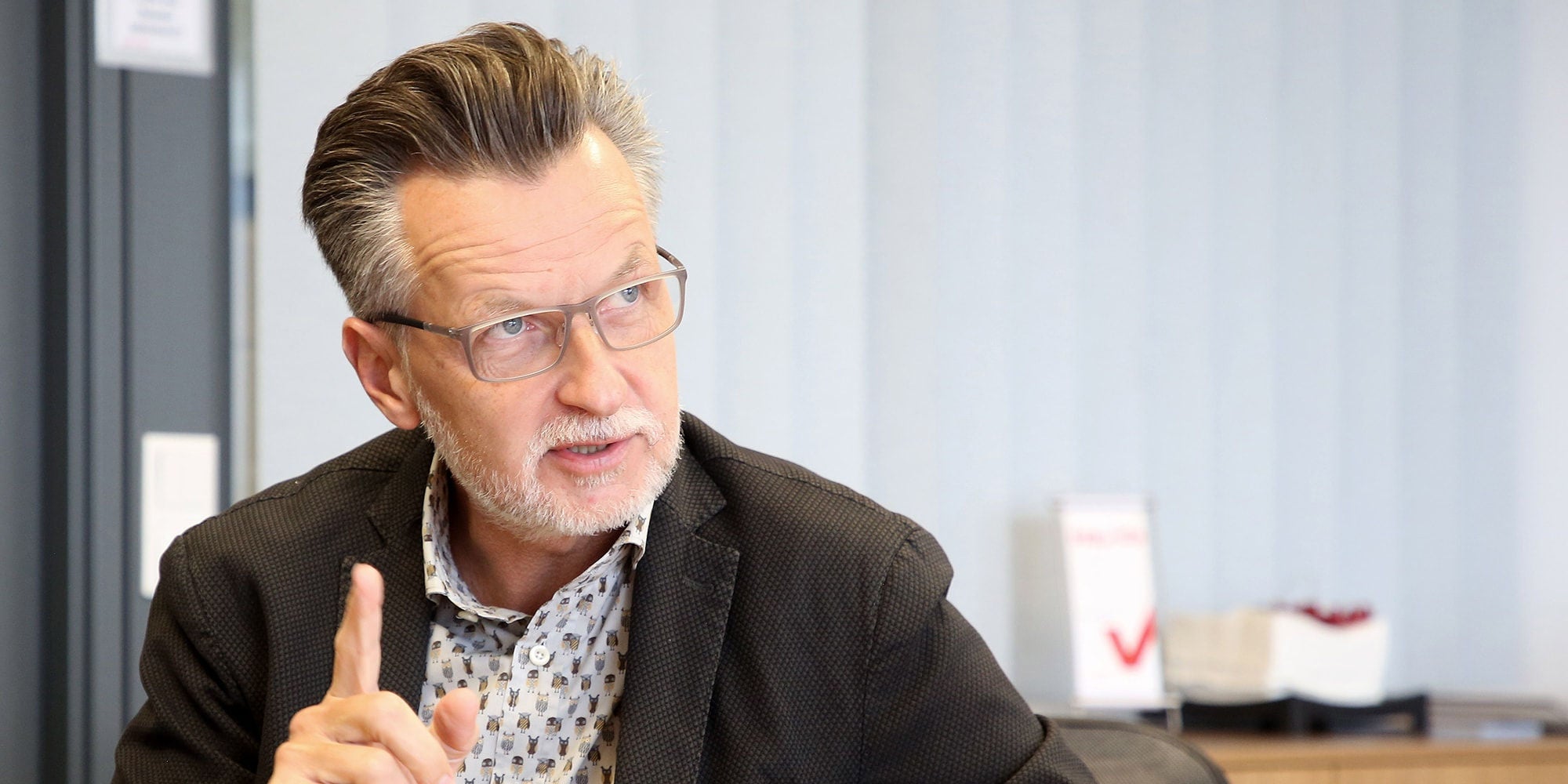
Gerhard Tauchner elected President of the European Social Dialogue in the Railway Sector
ETF representative has a clear focus on safety, good working conditions and a strong future for rail in Europe.
Europe
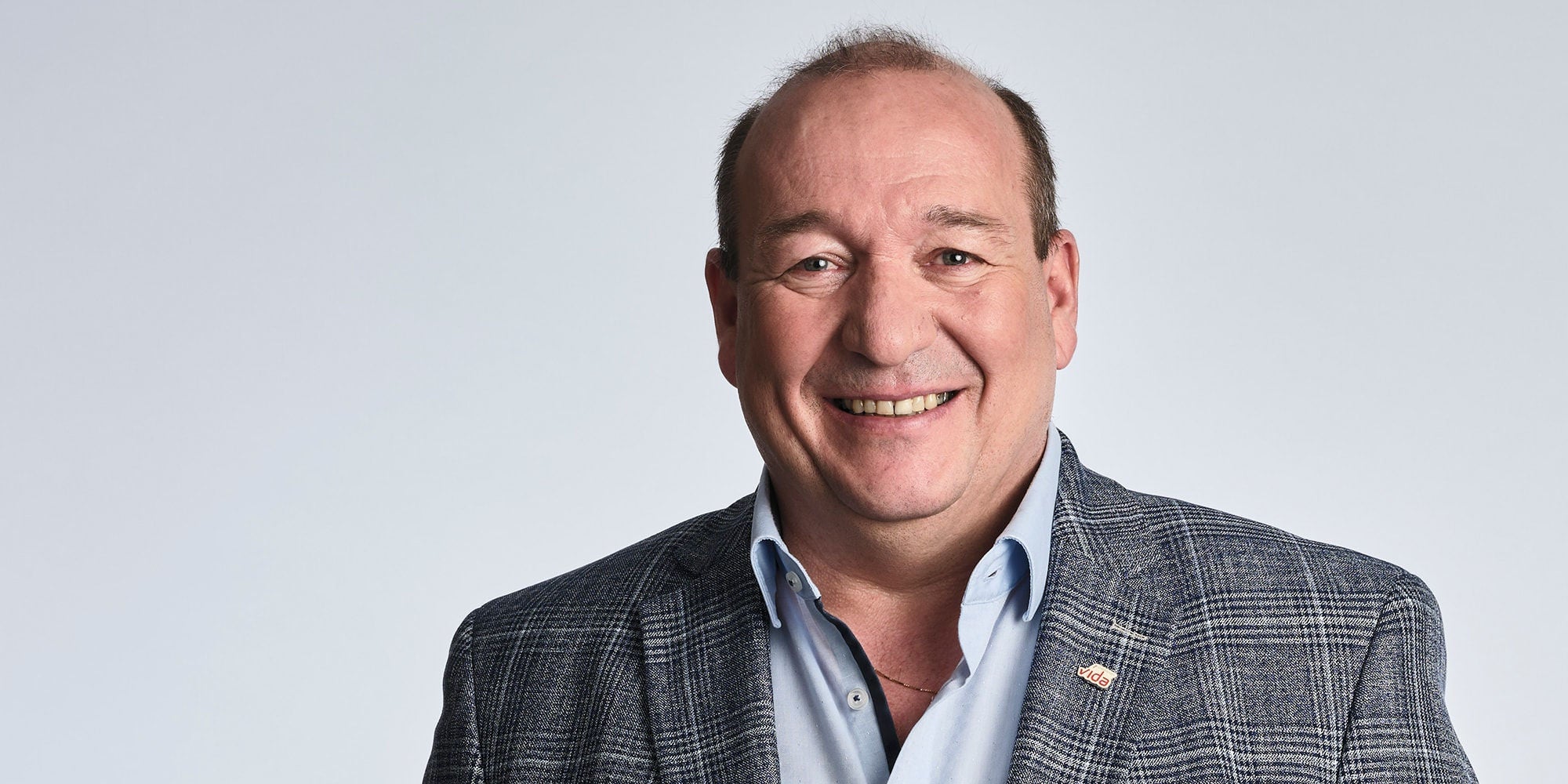
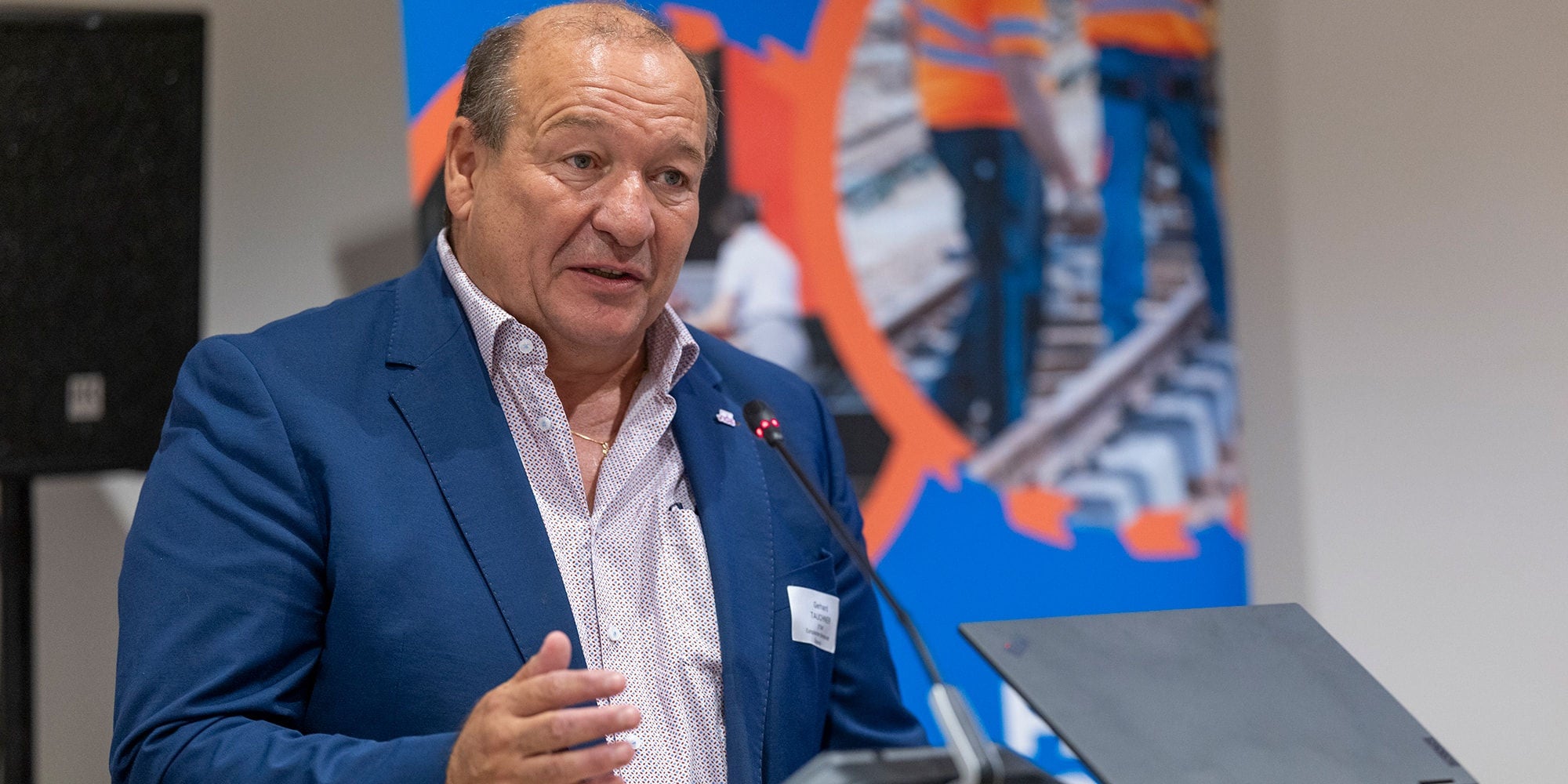
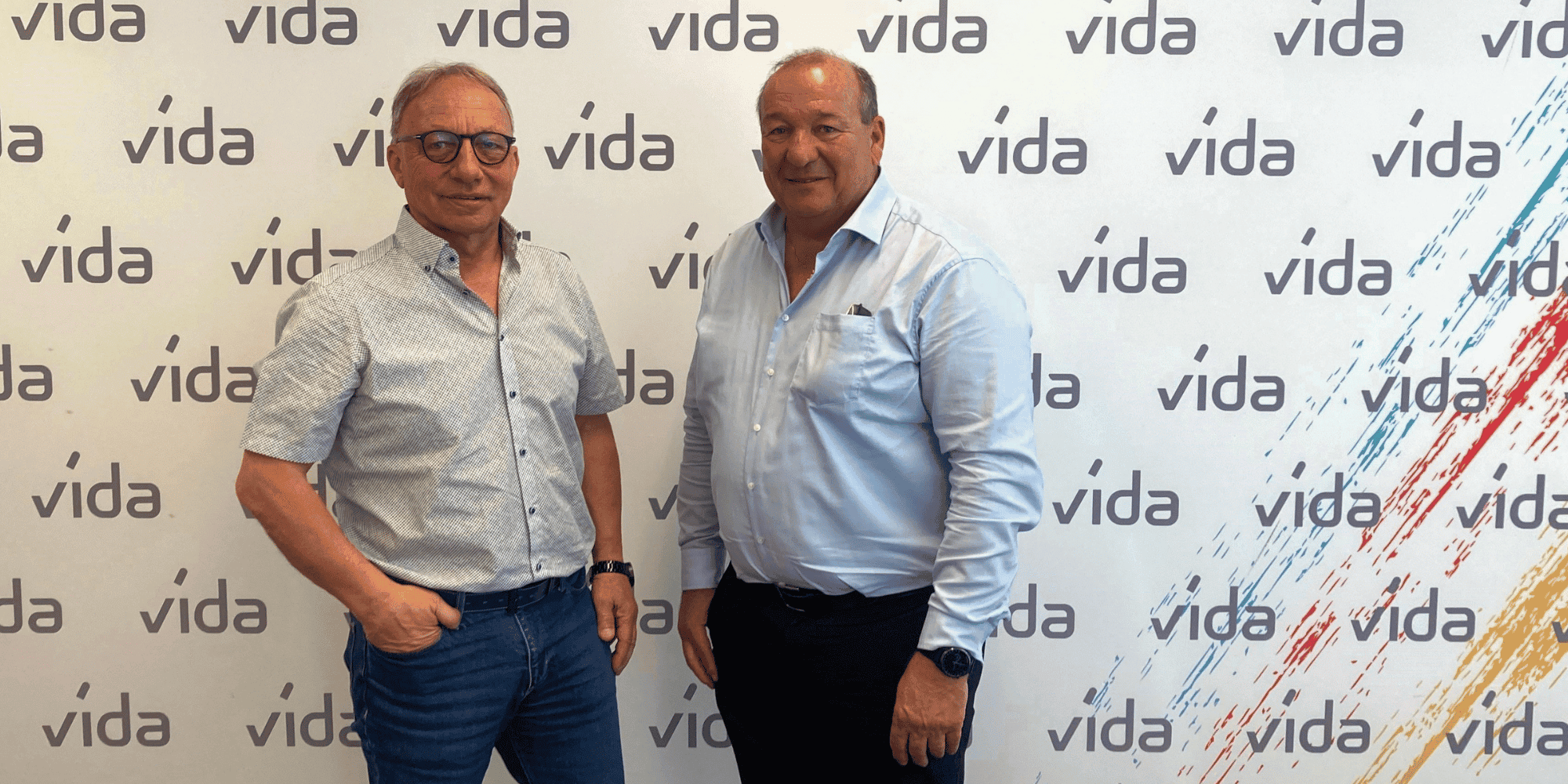
European railway policy has a new strong social partnership impulse: Gerhard Tauchner, railway trade unionist of the Austrian trade union vida, has now also been appointed president of the European Social Dialogue in the Railway Sector after his election as President of the ETF Railway Section. The function rotates every two years between the employee representatives of the European Transport Workers' Federation (ETF) and the employers' organisations CER and EIM.
With this election, Tauchner is taking on a key role in the body that plays a decisive role in working conditions, safety and future development of the European railway sector.
Social dialogue: a key instrument for fair and safe working conditions
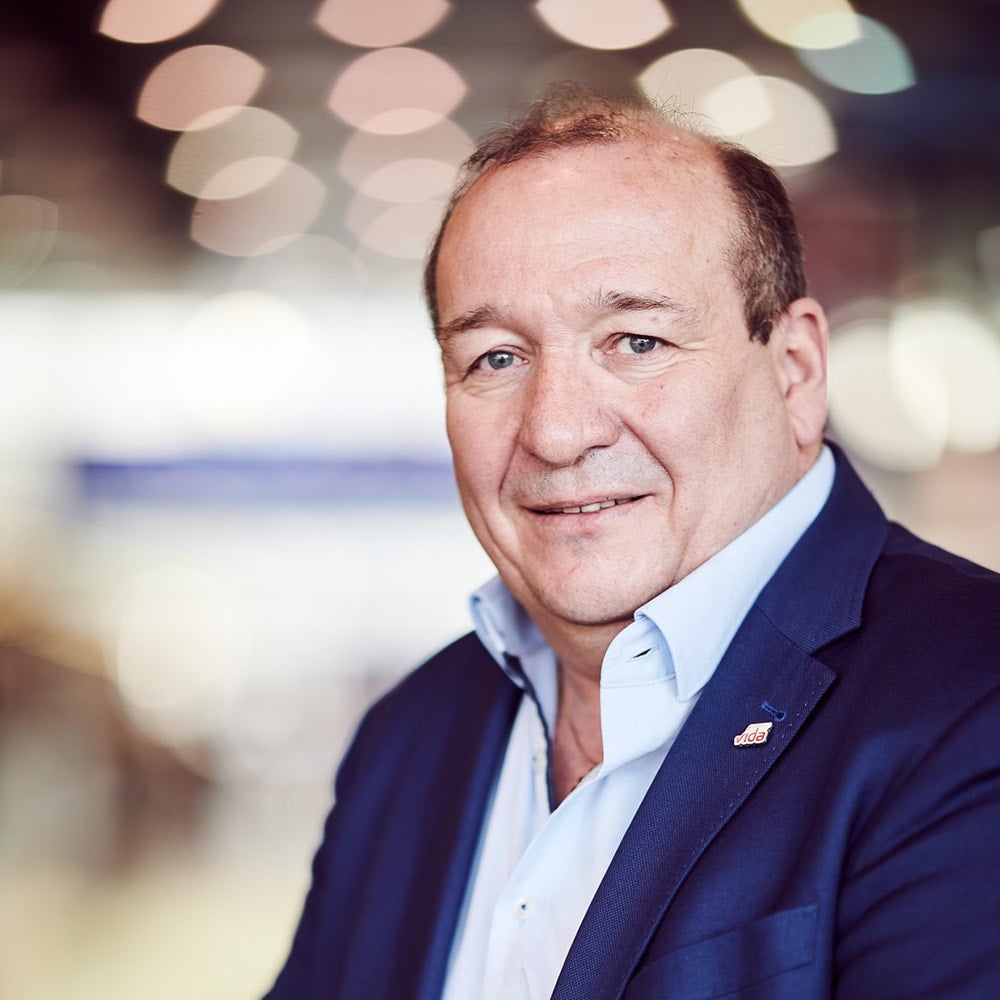
"Europe needs a good coexistence between public services, climate policy necessities and the social responsibility of the public authorities. If this triad works, then the railways also work."Präsident des Europäischen Sozialen Dialogs im Eisenbahnsektor
As a recognised European social partner, the ETF negotiates with CERs and EIM on all key issues of employment and social policy in the rail sector. The European Commission is obliged to consult the social partners and to involve them in legislative processes. Results of this cooperation have set significant standards in the past:
- 2021: ETF and CER conclude a binding agreement to improve the working conditions of women in the railway sector.
- 2025: Joint declaration on the importance of European rail freight transport.
- Current: Revision of the EU Directive 2007/59 on the working conditions of train drivers – based on a social partner agreement from 2004.
These examples show how important a functioning social dialogue is for an efficient, safe and socially just railway system.
Strong railways need strong employees
For Tauchner, his new role is a clear mission: to strengthen railways in Europe, make them safer and make them more efficient.
"Strong railways are crucial for Europe's future – economically, socially and in terms of climate policy. But there are no strong railways without the people who carry them."
The trade unionist therefore demands:
- Well-trained staff
- Fair working conditions
- Real cooperation of all relevant organizations
This is the only way Europe can guarantee the attractiveness, quality and safety that is urgently needed in the rail sector.
Safety as an immovable cornerstone
A central point in Tauchner's agenda is safety: clear rules, comprehensible responsibilities and functioning control mechanisms. Individual interpretations of safety standards have no place in the rail sector.
"The railway system has always functioned hierarchically, because it only runs reliably, safely and stably if there are clear responsibilities."
If European institutions do not take sufficient account of this reality, it is the task of the social partners to educate and introduce practical solutions.
Against uncoordinated liberalisation – for future security in the European rail sector
Tauchner clearly warns of the consequences of senseless and uncoordinated liberalization, as has taken place in several European countries in recent years.
"We have enough examples that show that liberalization without regard for security, personnel, climate and public services leads to fragmentation and not to improvement."
The social partners, Tauchner emphasizes, are the practitioners who see what works – and what doesn't – in daily operation, maintenance and scheduling.
Common goal: A strong, safe and socially just railway for Europe
With his election as President of the European Social Dialogue in the Railway Sector, Tauchner is taking on a strategically important role at a time when Europe is repositioning the railways as the backbone of climate-friendly mobility. His course is clear:
- Security over the logic of profit
- Working conditions before liberalization dogmas
- Cooperation instead of fragmentation
In doing so, the Austrian vida trade unionist is sending a strong signal for a future in which railways and employees alike win.