Railway collective agreement: First round of negotiations without result – vida demands inflation compensation for all employees
No real wage losses for railway workers – employers must improve the offer.
KV negotiation

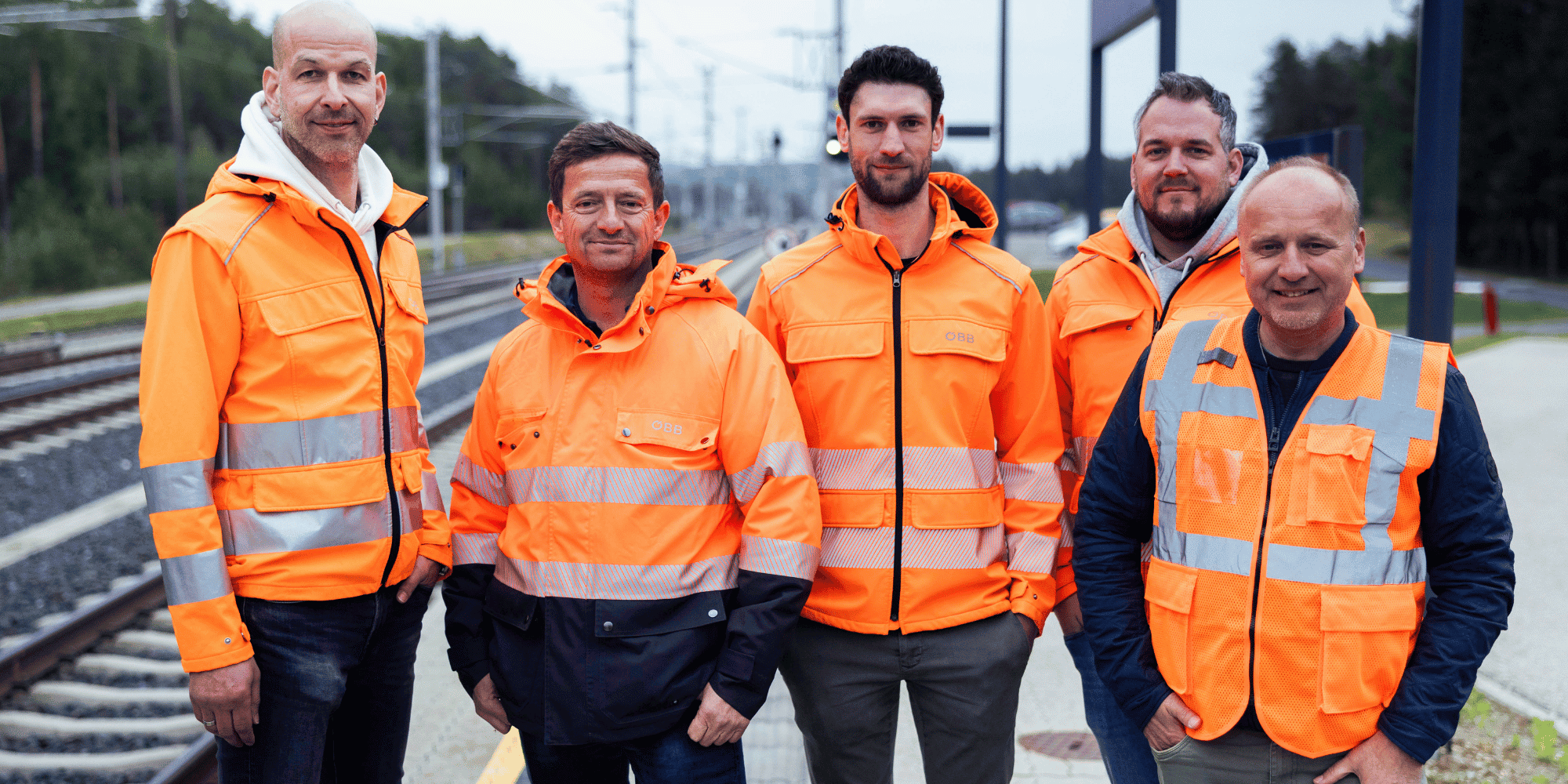
The first round of collective bargaining negotiations for the approximately 55,000 employees in the Austrian railway companies ended on Monday evening without a result.
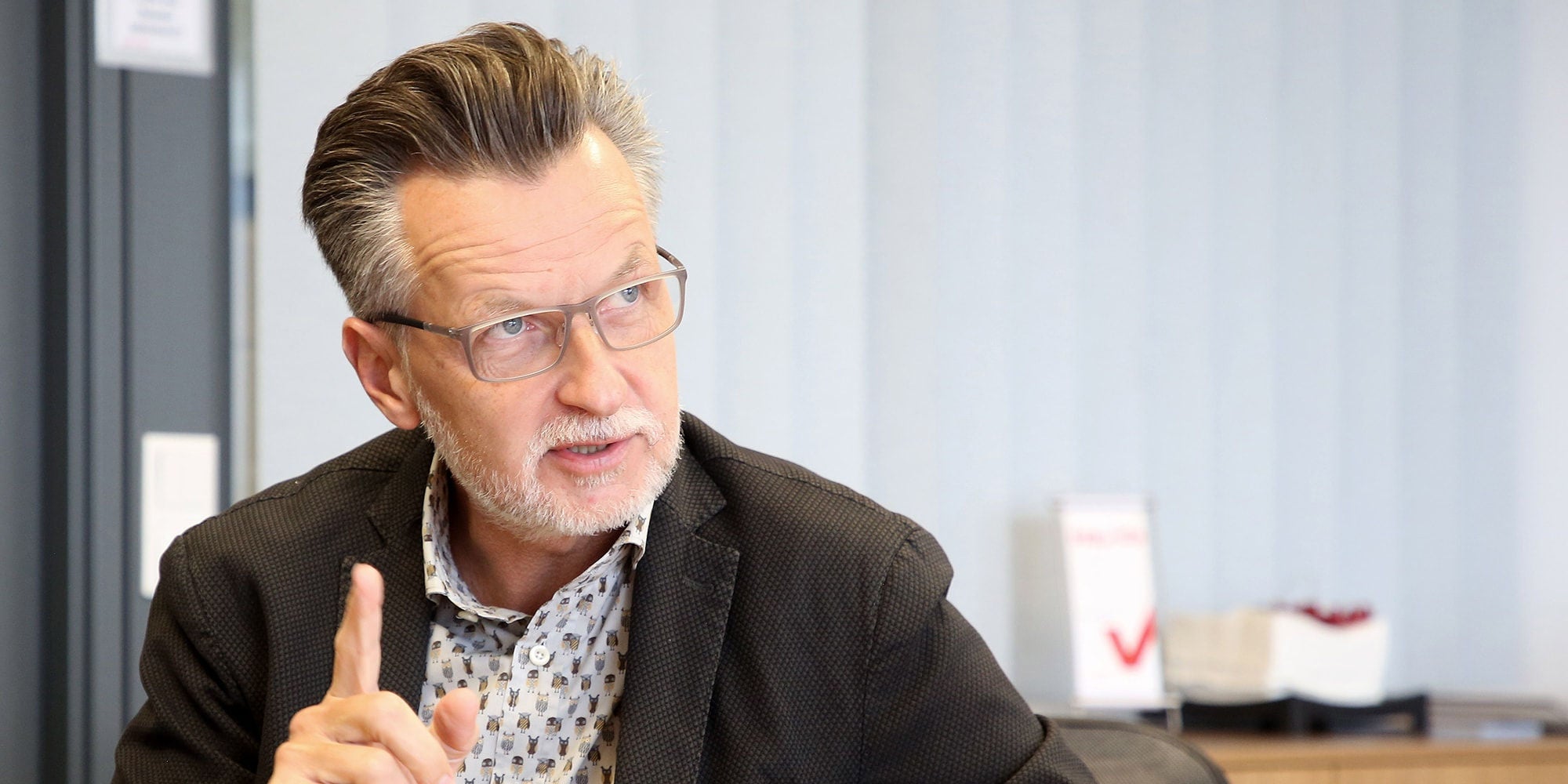
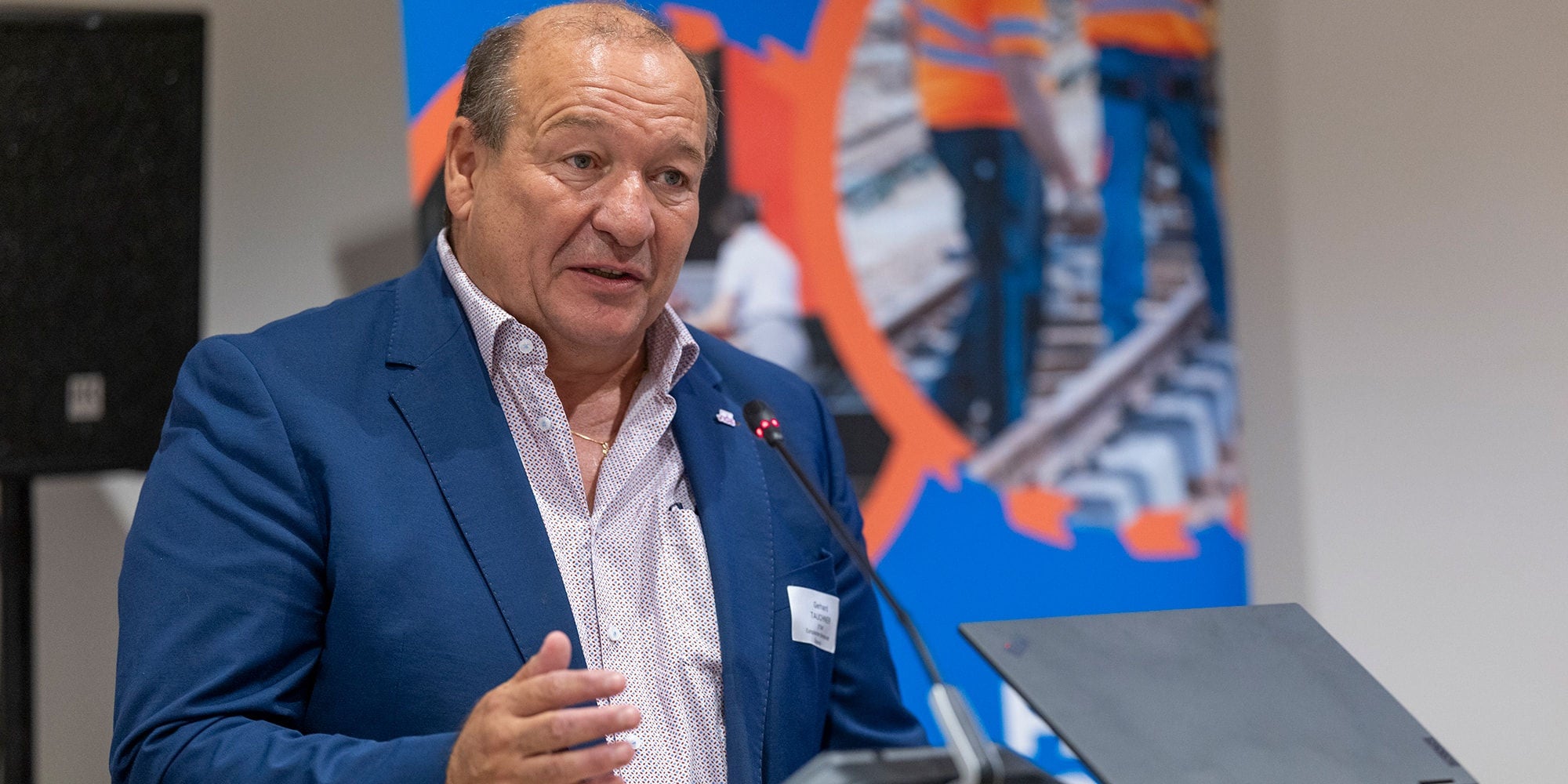
"We demand compensation for rolling inflation for all railway workers. We will not accept real wage losses, i.e. wage cuts," clarifies Gerhard Tauchner, chairman of the railway department in the trade union vida and head of negotiations.
Employers only want to partially compensate for inflation
The employer side only wants to compensate for inflation up to an income of 3,300 euros gross. "This is not acceptable to us, because daily life has become more expensive for everyone," says Tauchner. The rolling inflation on which the negotiation is based (October 2024 to September 2025) is 3 to 3.1 percent – the final value for September is still pending.
From constructive to confrontational
According to vida, the start was promising at first. But after the announcement of the metalworkers' collective bargaining agreement, the mood on the employers' side suddenly turned negative.
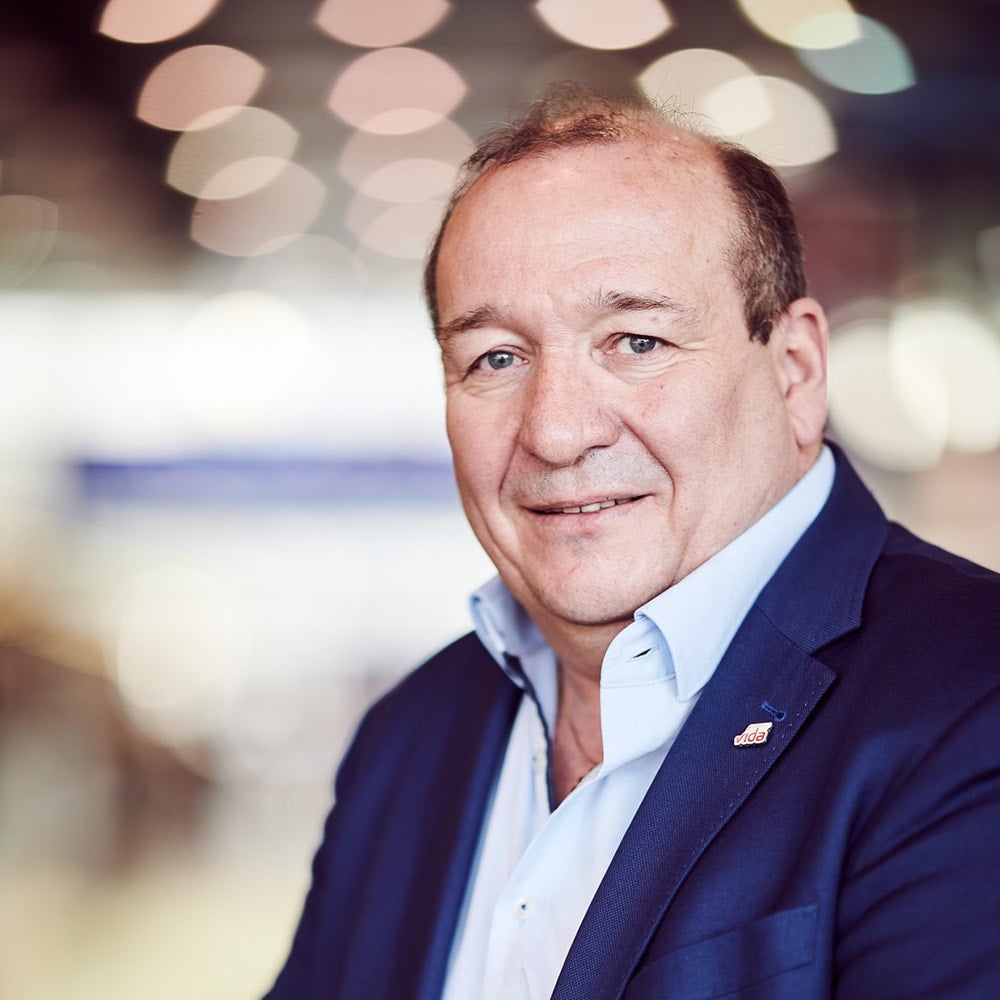
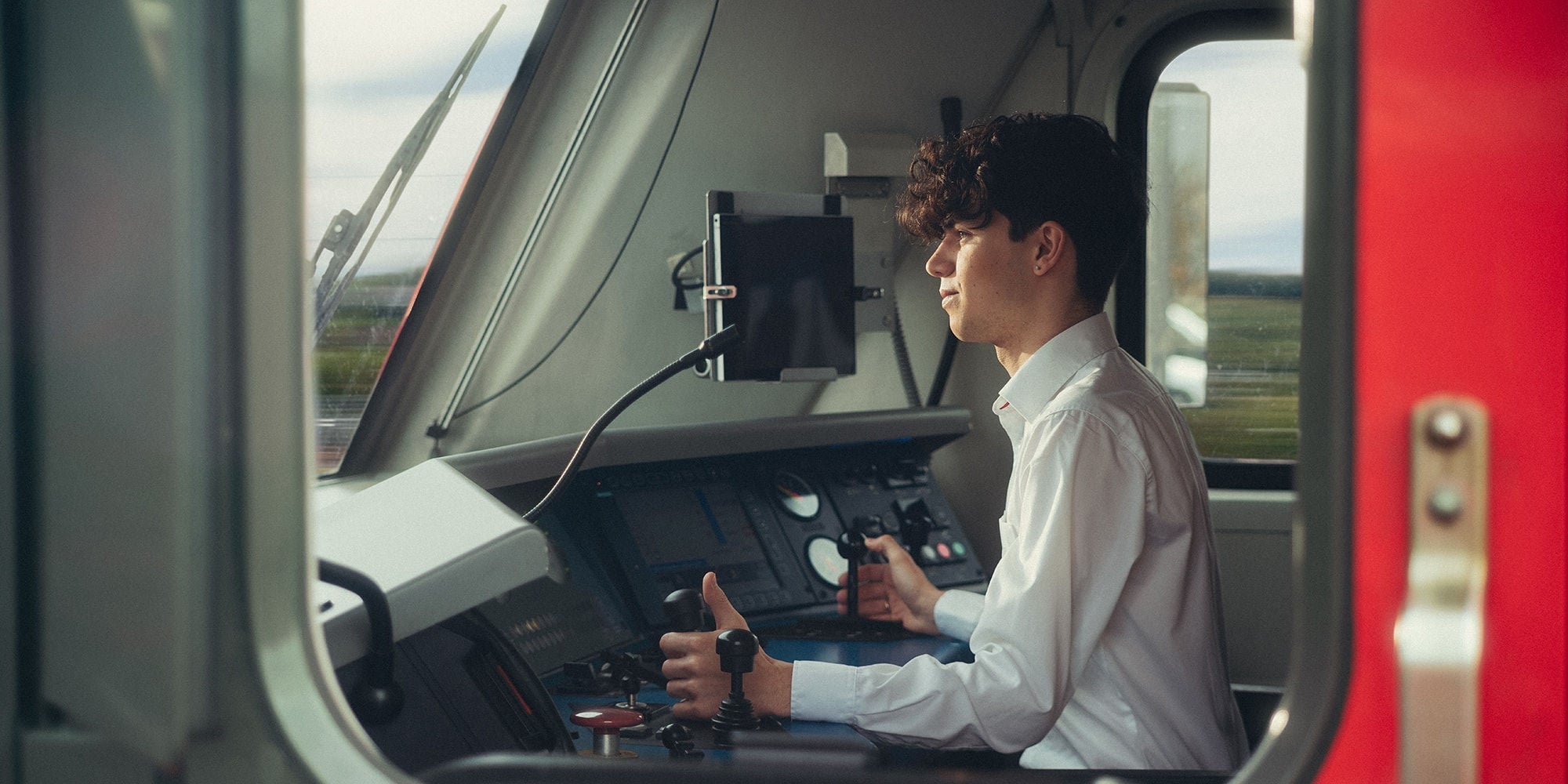
"Railway workers generate added value. The negotiations must also be about making the railway professions even more attractive in order to be competitive with other industries in the search for personnel."
"Every agreement under inflation is a slap in the face of the hard-working railway workers. Employers must come to their senses and present an appropriate offer," Tauchner demands with a view to the next round of negotiations on October 1.
Railway industry is booming – staff at the limit
According to vida, a comparison with the metal industry is "apples with oranges". Because the railway industry is booming:
- Austria is the EU-wide leader in the number of kilometres travelled by train.
- From December, the rail service will be expanded again.
- According to the VCÖ and the Austrian Rail Report, passenger transport is recording record figures.
At the same time, the employees are under a lot of strain:
- 4.5 million overtime hours in shift work
- 400,000 unused vacation days
- High personnel requirements: ÖBB alone is looking for around 24,000 new employees by 2030
Result
The trade union vida makes it clear: real wage losses in the railway collective agreement are unacceptable. With a view to the next round of negotiations on October 1, she is calling on employers to make an offer that covers inflation for all employees and makes the industry fit for the future.