Rail is growing – staff are lacking: Why the railways need prospects now
vida on the Rail Control Report 2024: Good figures must not hide the fact that the system is running out of people
Railroad

Record numbers in passenger transport – but who drives the trains?
Schienen-Control's current annual report for 2024 attests to a clear upward trend in rail transport in Austria. With increasing passenger numbers, a growing range of services and more transport performance, Deutsche Bahn continues to be on the road to success throughout Europe. But appearances are deceptive: the positive balance cannot hide the fact that the system is massively lacking staff.
"Without people driving, maintaining and scheduling trains, record numbers are of no use," warns Gerhard Tauchner, chairman of the vida railway department. The shortage of train drivers and shunting personnel has long since ceased to be a marginal phenomenon – it is even explicitly addressed in the report.
Competitive pressure must not be exerted on the backs of employees
92 railway companies are now vying for market share – with sometimes precarious consequences for employees. "Competition over the lowest personnel costs or too few staffs endangers safety and quality," says Tauchner.
The trade union vida is therefore calling for central decisions to be made for a sustainable rail future:
- Attractive working conditions for newcomers and experienced professionals
- Reliable training standards across company boundaries
- Strong control authorities that ensure social and operational standards
"As vida, we are actively involved in the social partnership - for example in the further development of the railway collective agreement. But we also need clear political measures," emphasizes Tauchner.
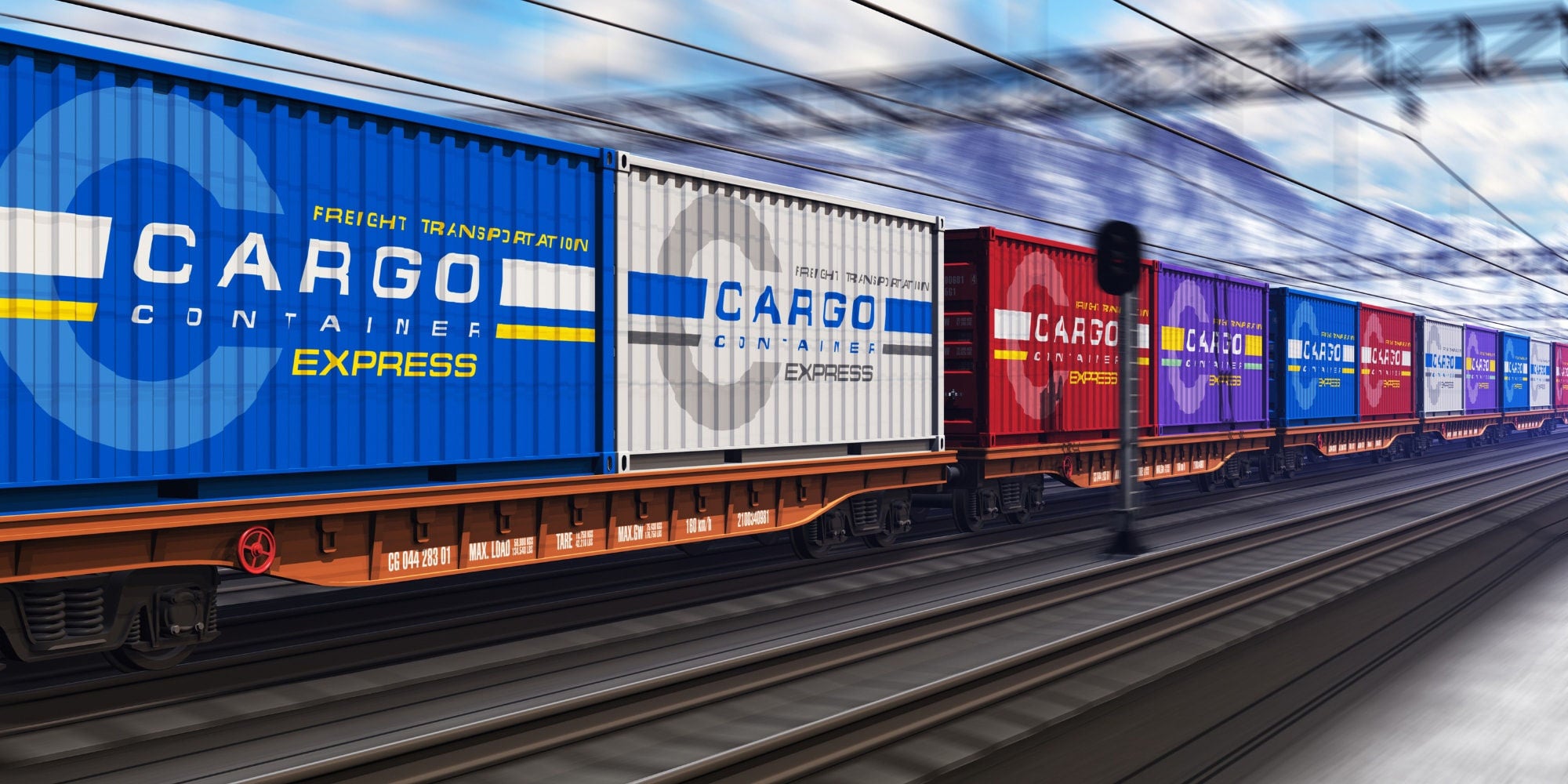
Freight transport by rail must not be left behind

"If you really want the transport turnaround, you have to strengthen rail freight transport in a targeted manner – with political framework conditions, fair rules of the game and targeted investments in infrastructure and personnel."
While passenger transport is booming, rail freight transport is treading water. Despite the opening of the market, towing capacity is stagnating – especially in economically important single wagonload transport. Road transport remains the dominant competition, partly because of structurally distorted framework conditions and a lack of true costs.