AI project in rail transport is a waste of taxpayers' money
Trade union vida calls for real technical harmonization instead of distraction.
Digitisation

At the request of Tyrolean MEP Sophia Kircher (ÖVP), a project on the use of AI-supported translation systems in rail transport was introduced in the plenary session of the EU Parliament. The railway department of the trade union vida sharply criticizes this initiative. It is a complete waste of taxpayers' money and time, which clearly misses the goal of a single European rail transport market.

"Cross-border freight transport in particular is dependent on binding harmonised regulations. Instead of finally implementing uniform operating regulations or signalling systems, populist motions on language regulation distract from the real problems."
Language competence is safety-relevant
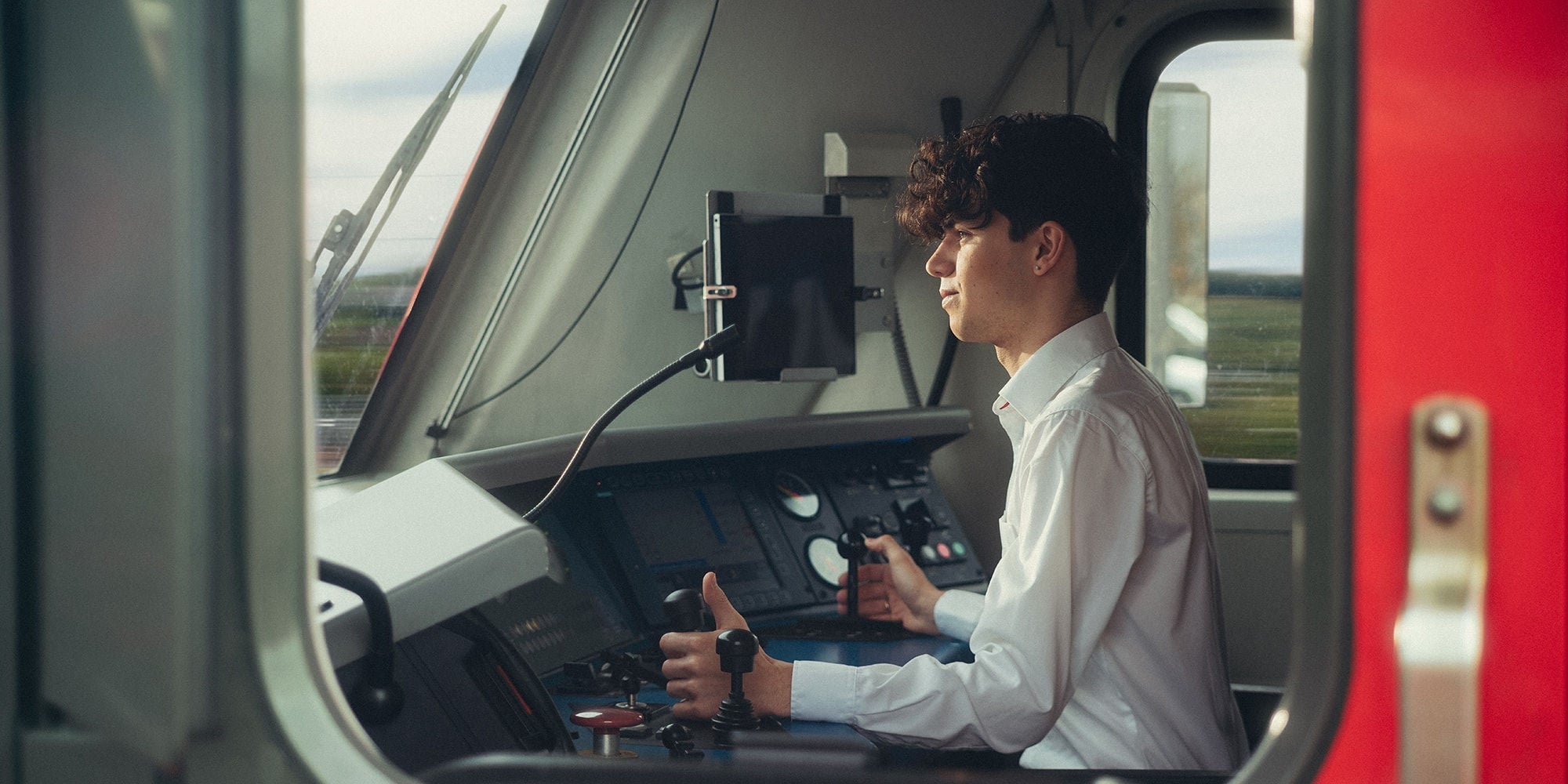
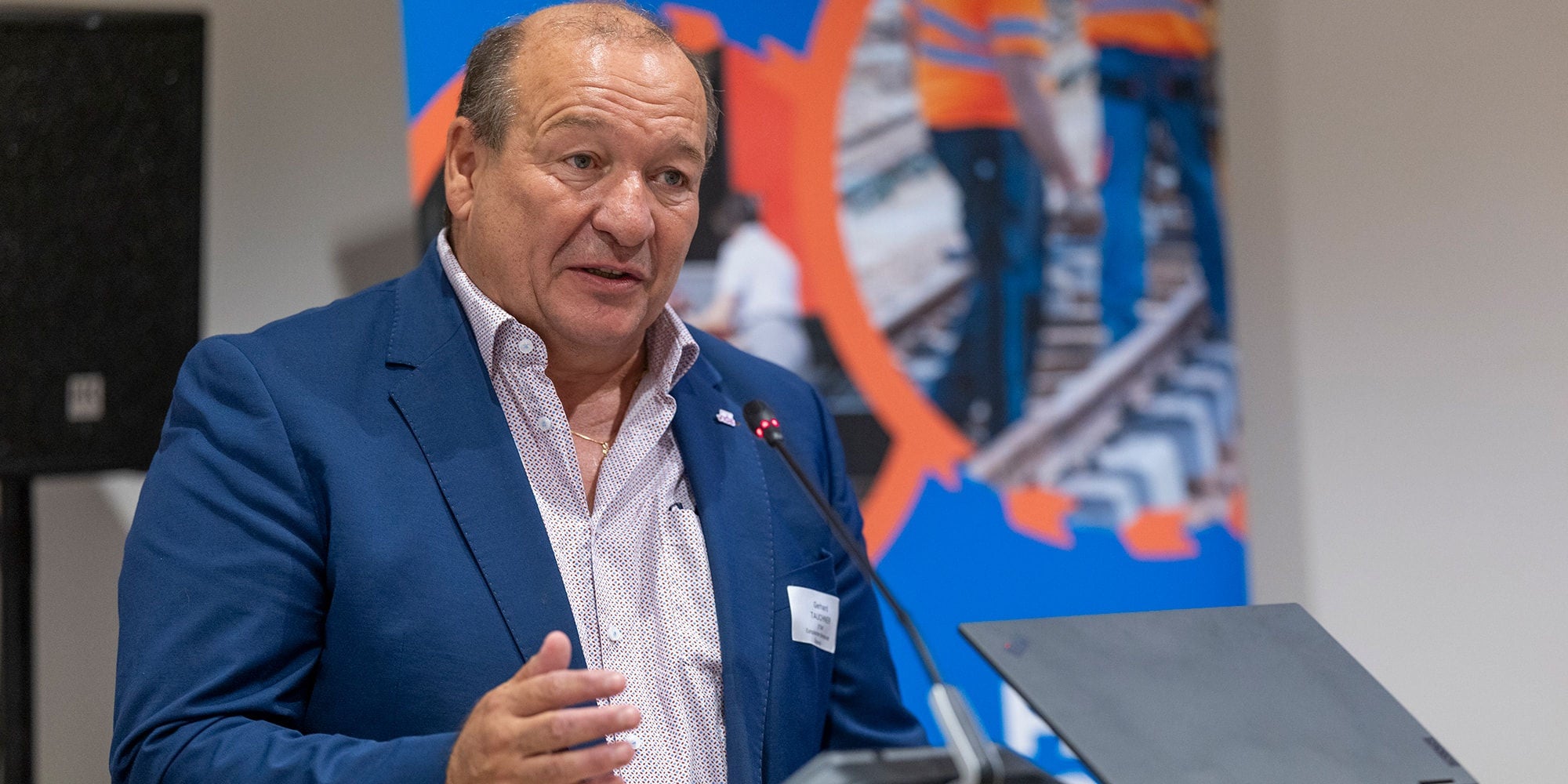
The trade union vida warns against replacing the language skills of train drivers with AI. "AI may provide support in routine operations, but in emergency situations, humans are the last level of fallback. Train drivers must be able to communicate clearly and directly with emergency services, control centres, dispatchers, train crews and passengers. Safety must never be subordinated to technology," emphasizes Tauchner.
Standards must not be softened
In other highly sensitive transport sectors, such as aviation, binding safety standards have long been in force that go far beyond language regulations. For example, simulator-based emergency training and precise checklist procedures are mandatory for pilots. "It would be irresponsible to allow lower requirements for safety and qualification in rail traffic," adds Tauchner.
Early involvement of employees is crucial
The vida trade union, together with its sister unions from Germany and Italy, is calling for train drivers and other employees to be involved in the planning and development of operating concepts from the very beginning. This is the only way to integrate their experience and know-how into safe and practical processes.
"From our point of view, there is a need for a clear stop to the AI project in its current form and the involvement of social partners and employees in all relevant decision-making processes as well as in the development of new operating concepts. The focus should be on real harmonisation in European rail transport," Tauchner sums up, adding: "If you really want to strengthen European rail transport, you have to work on the basics – not on translation software."