Rail safety must not be sacrificed to competition
vida warns against softening of central standards
Railroad
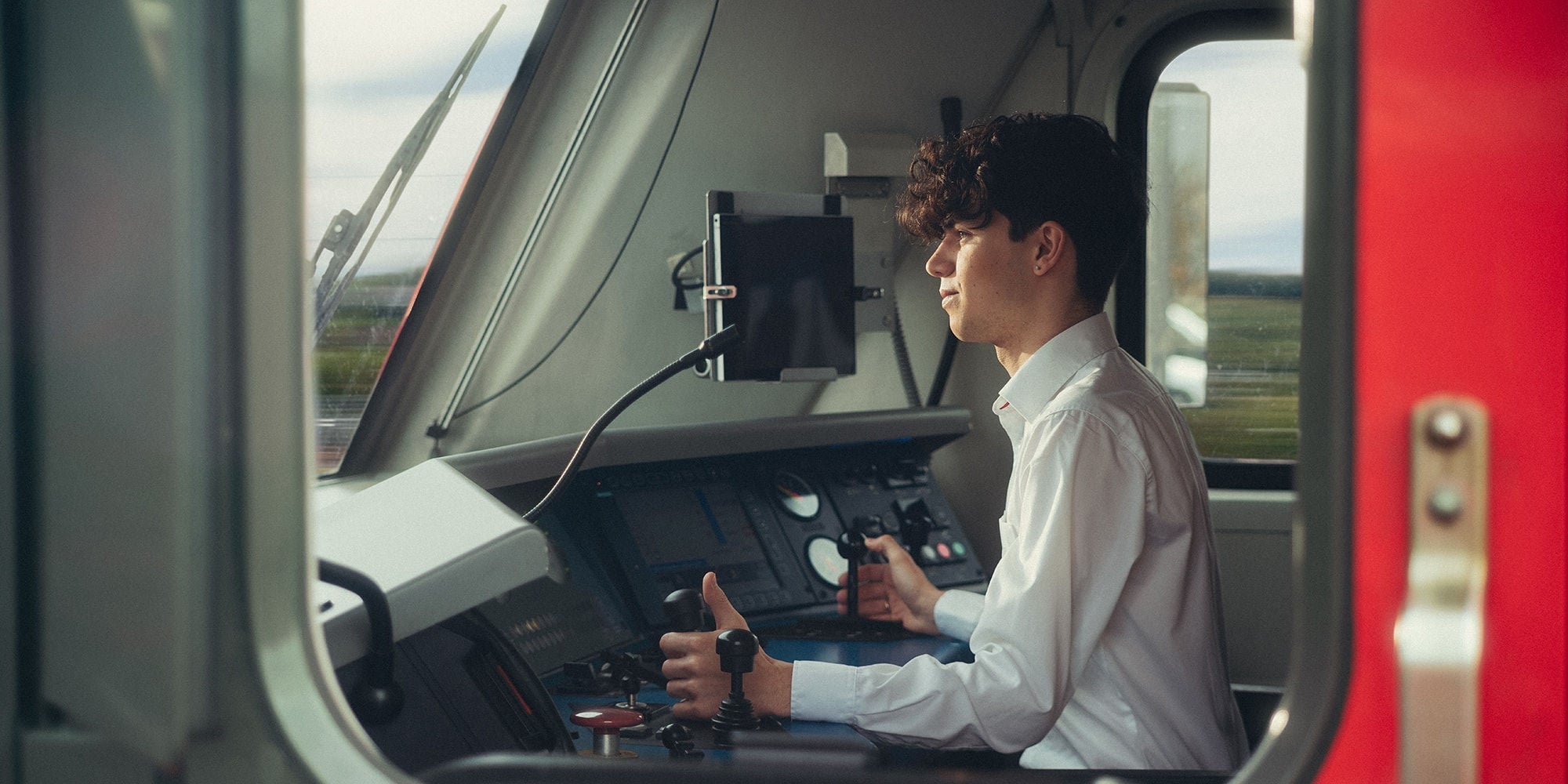
"Good knowledge of the route and clear communication are vital"
The trade union vida takes note of the current article in the Standard on the situation of European rail freight transport with interest – and renews its long-standing demand for fair competitive conditions between rail and road.
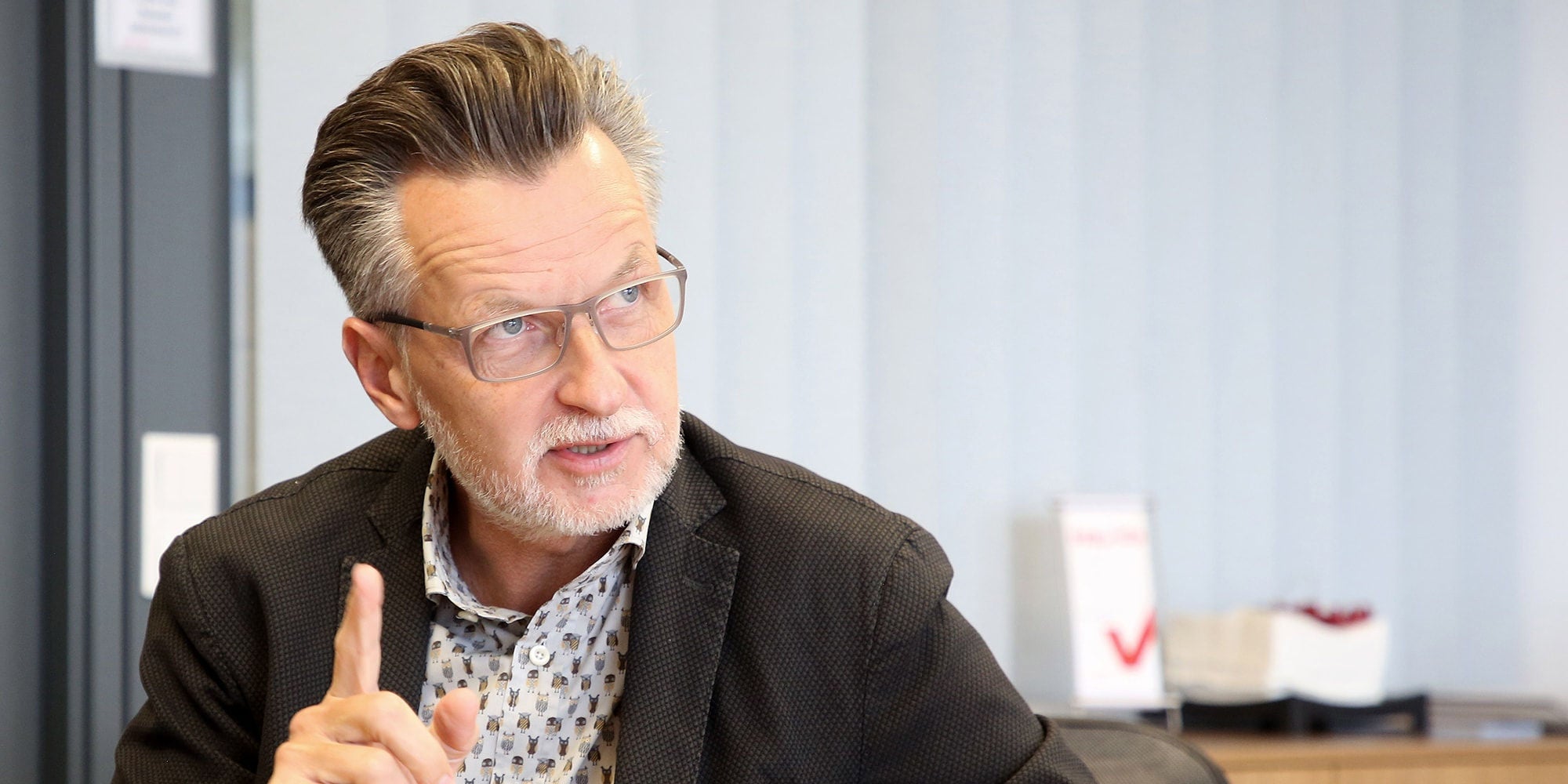
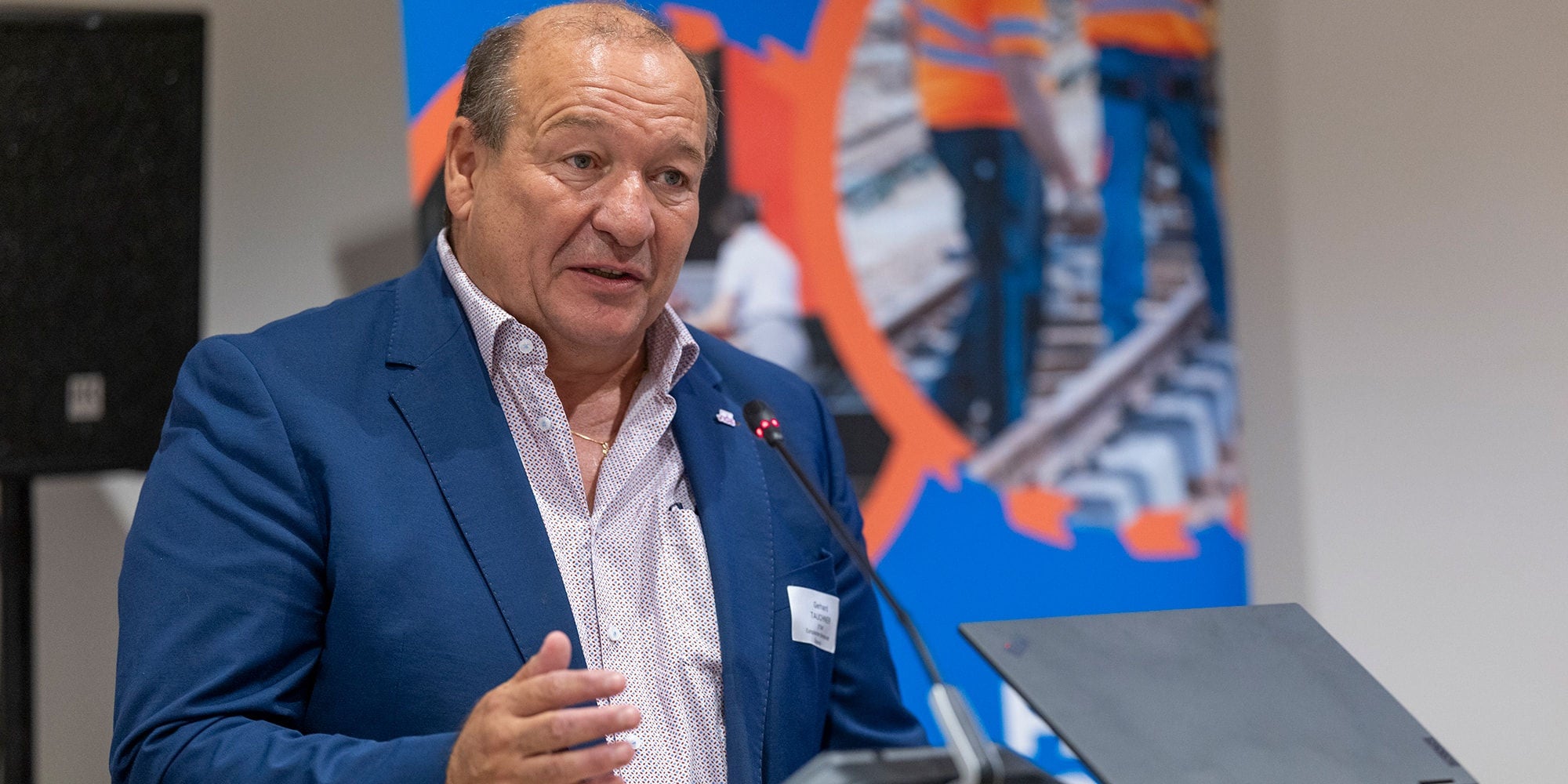
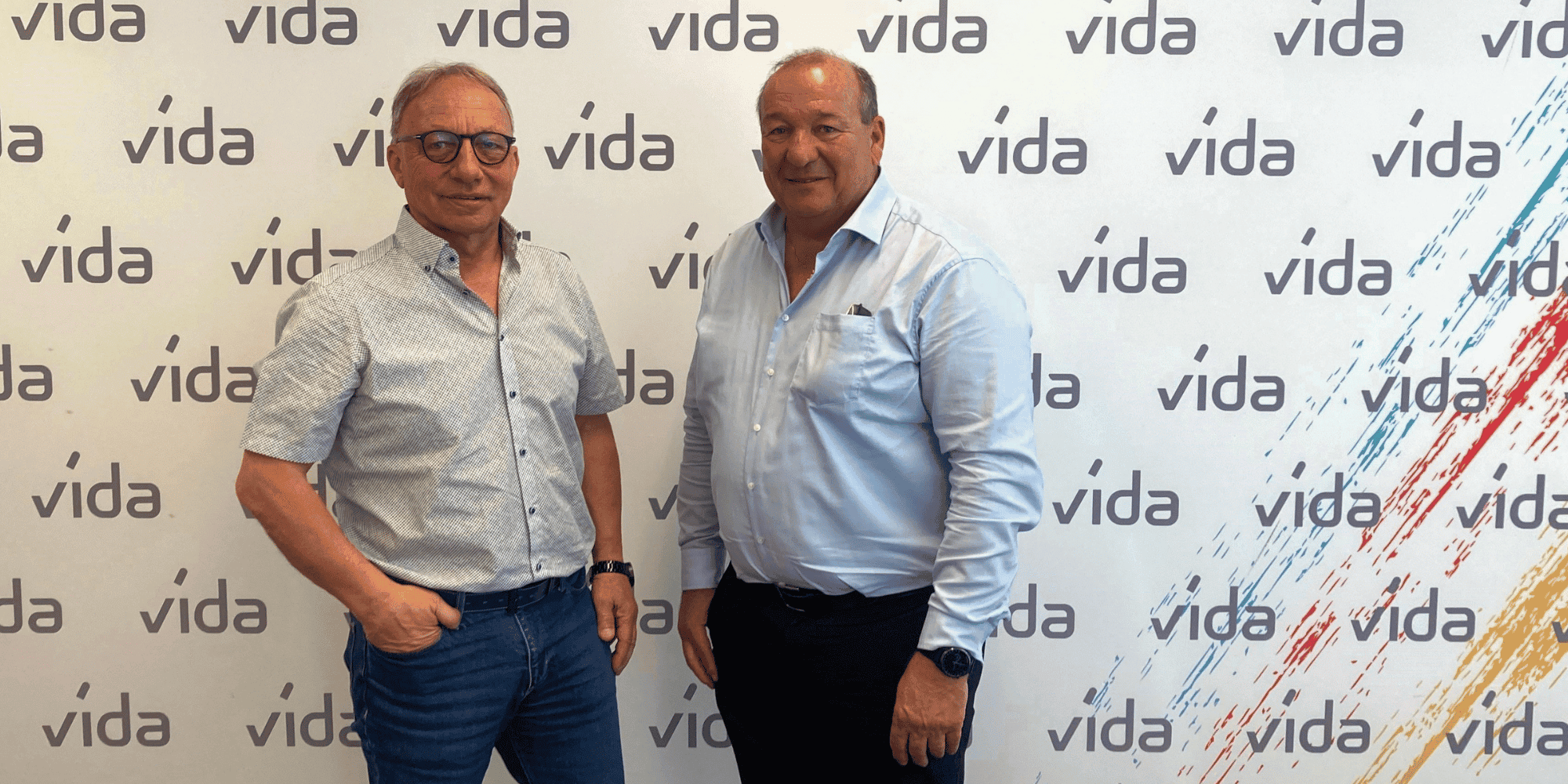
At the same time, vida railway boss Gerhard Tauchner warns decisively against weakening safety-relevant regulations under the guise of reducing bureaucracy.

"Yes, rail freight transport suffers from structural disadvantages compared to truck traffic - but not because train drivers have to change personnel at the border in a few minutes."
Safety in rail transport has top priority and must not be sacrificed to market pressure!
Criticism of demands of the railway lobby network
The background to the current debate are statements by Georg Pammer, Secretary General of the Network of European Railways Austria (NEEÖ), who in the article questions the obligation to speak the national language at B1 level and the knowledge of the route for cross-border journeys.
For vida representative Tauchner, himself a trained train driver, this is incomprehensible:
"Good knowledge of the route and clear communication are vital."
Distortion of competition instead of harmonisation
Tauchner also criticizes the increasing practice of comparing modes of transport with unequal standards:
"While, for example, travel times in trucks are precisely monitored by the driver card, there is still a lack of comparable, binding control instruments in rail transport. Such regulations do not fail because of the will of the employees - but because of the blockade attitude of many companies."
vida demands: Security, qualification and control before market liberalisation
For years, the vida trade union has been campaigning for a European-coordinated regulation of training, qualification, operational management and control in rail transport. But reality shows that the resistance comes less from the employees, but often from the executive floors of the railway companies.
"But it is often the companies themselves who slow down this progress - not the railway workers," emphasizes Tauchner.
Conclusion: Reforms yes – but not at the expense of security
vida supports measures for simplification and harmonisation in rail transport – as long as these are not carried out on the backs of employees and safety-relevant standards remain unaffected.
"The vida trade union is clearly committed to the further development of rail freight transport and supports measures to reduce bureaucracy and harmonise - as long as these are not at the expense of safety," Tauchner concludes.