Good training and working conditions for more railway safety
A safe railway sector is only possible if it is also designed in a socially sustainable way.
Europe
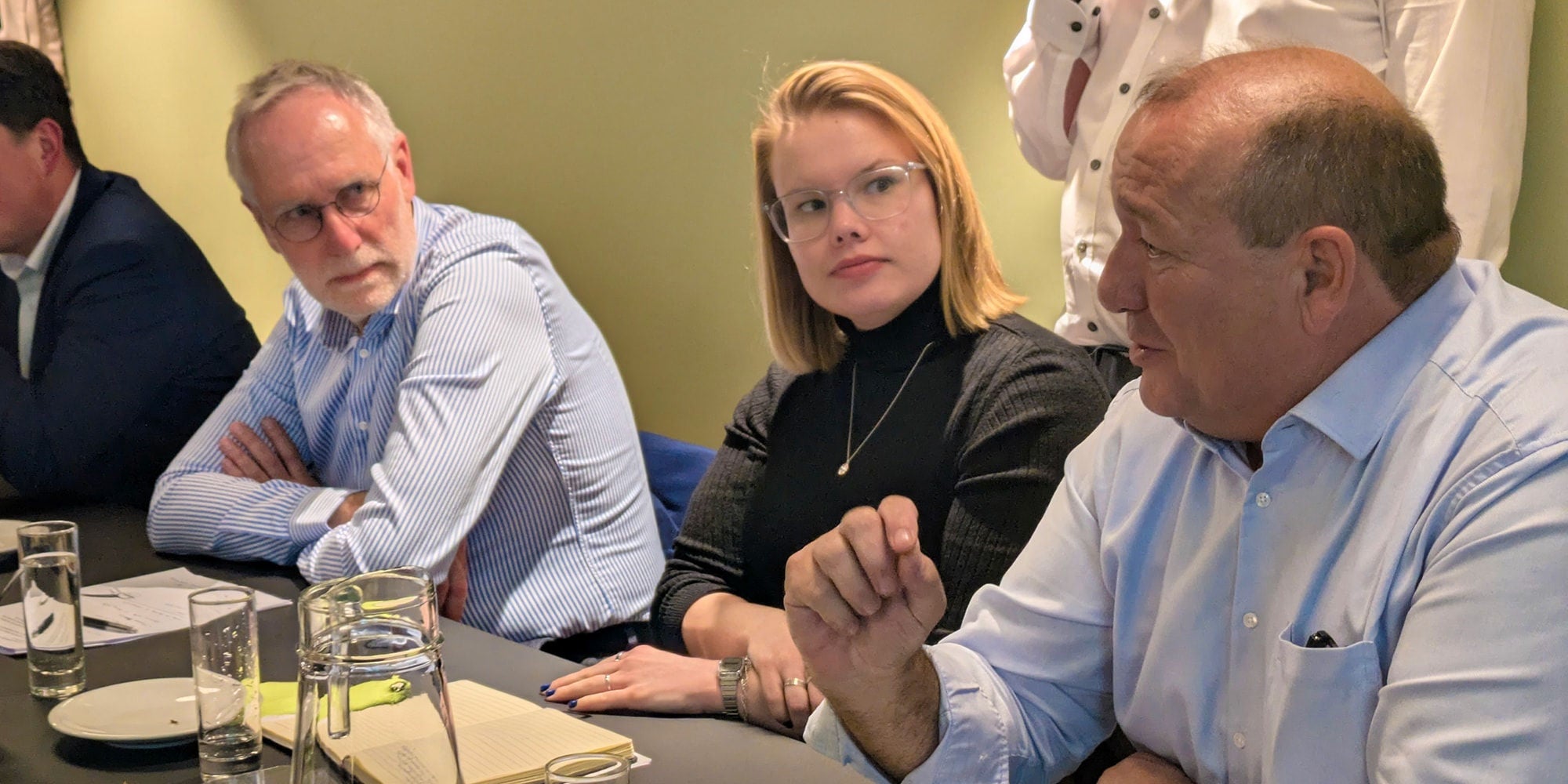
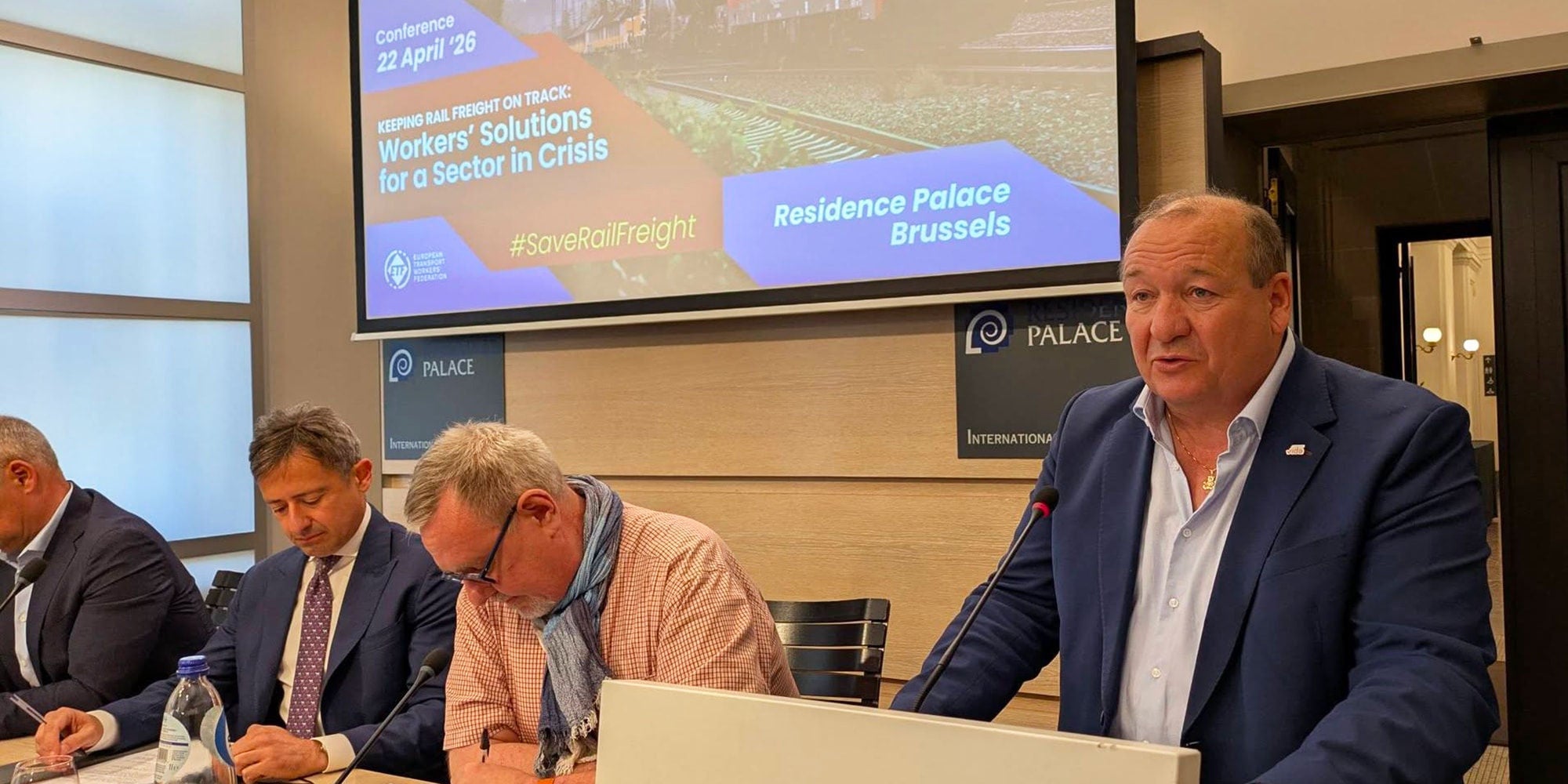
The trade union vida, the European Transport Workers' Federation (ETF) and the Chamber of Labour (AK) have once again taken the initiative at European level to make it clear: A safe railway sector is only possible if it is also socially sustainable. On 4 March 2026, a background discussion entitled "How railway safety can be improved" took place at the House of the Permanent Representation of Austria in Brussels.
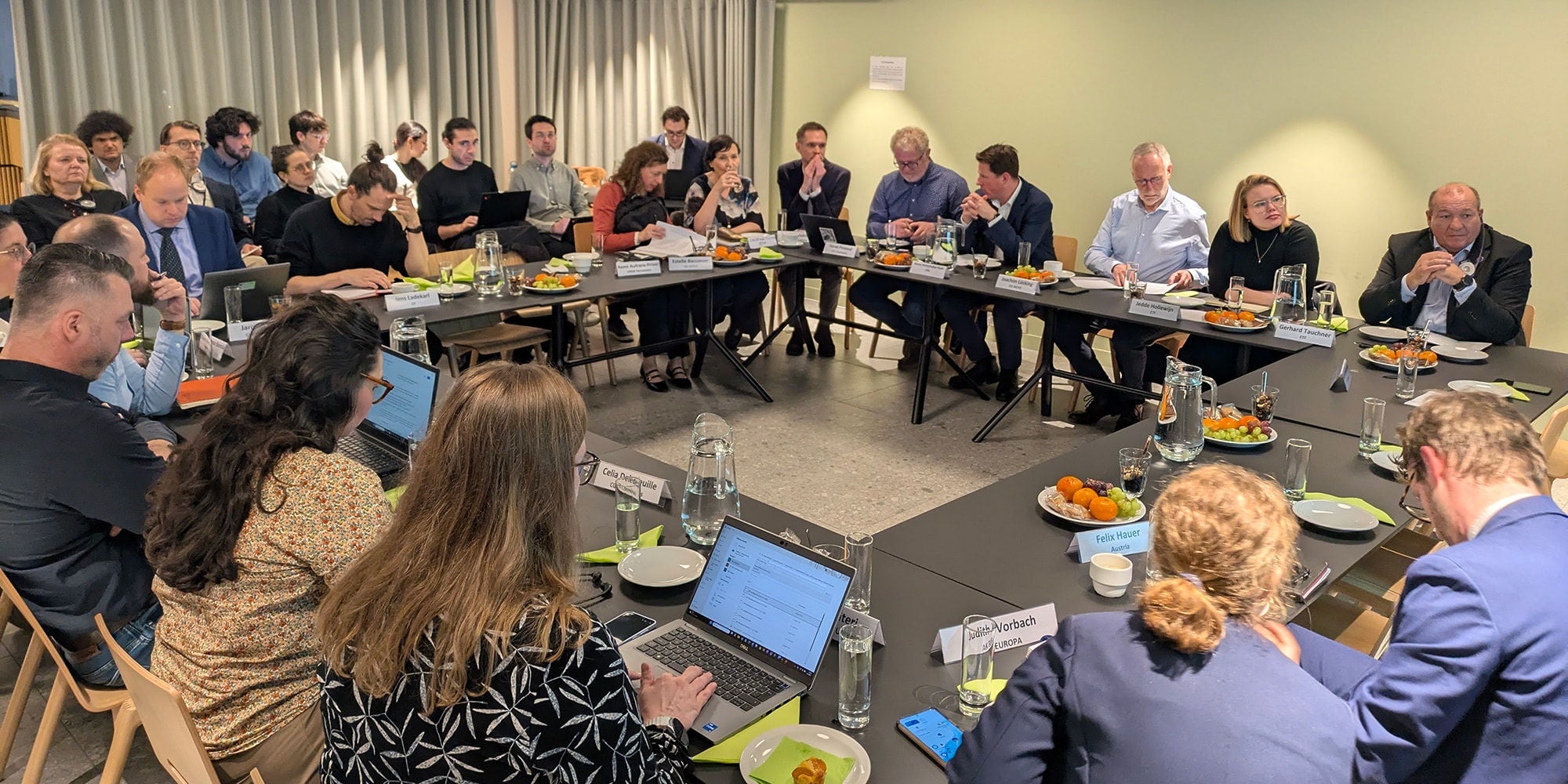
Central topics were the urgently needed introduction of forgery-proof, digital time recording for personnel on trains and the retention of the minimum language level for train drivers in the upcoming revision of the Train Driver Directive.
Digital time recording is becoming more concrete
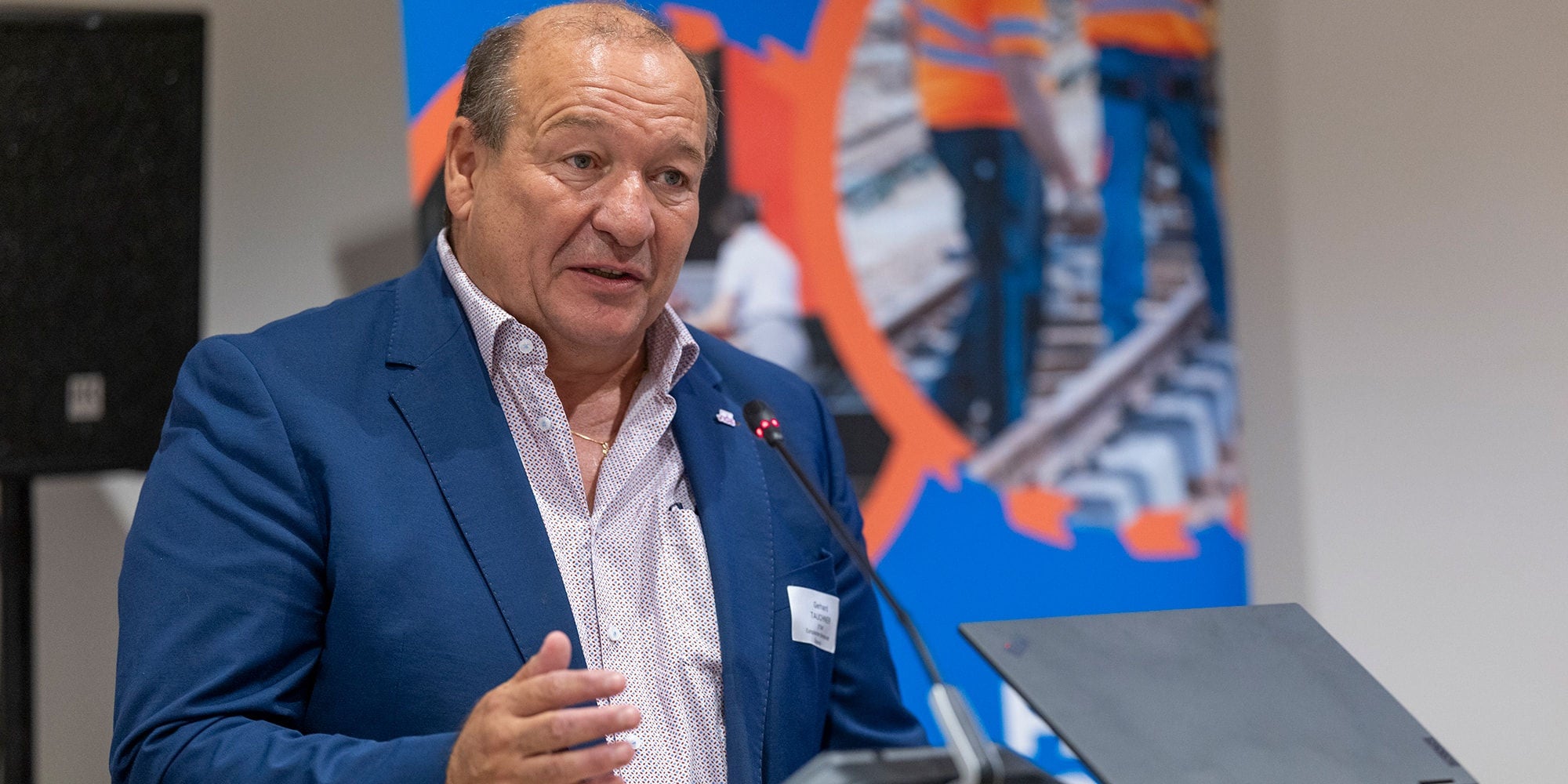
Gerhard Tauchner, President of the ETF Railway Section, began by stating that railway safety is directly related to working conditions and training of employees . He welcomed the fact that the European Commission now recognises the ETF's long-standing demand for forgery-proof digital time recording for staff on trains and has commissioned the European Railway Agency (ERA) with a mandate to develop it concretely.
Life-saving prerequisite
In connection with the revision of the Train Drivers Directive (Directive 2007/59), Tauchner once again insisted to the European Commission that the ETF, as a social partner with the highest level of expertise, must be involved in the ongoing work on the revision and involved in its design before the publication of a legislative proposal. The existing language requirement is a matter of safety and a life-saving requirement.
ETF experts and practitioners gave a good insight into the realities of work and used concrete examples to illustrate that railway safety is directly related to good working conditions and high-quality training. The presentations were followed by a constructive exchange in which representatives of the European Commission, transport attachés and staff of the European Parliament actively participated.