More protection for railway staff: vida calls for rapid implementation of the 10-point plan.
The number of attacks on employees at Austria's railways is alarming. The trade union vida is therefore calling for more staff on trains and stations as well as a consistent implementation of the protective measures already agreed.
Railways
Assaults, threats and violence are increasingly part of everyday working life for many employees at the Austrian railways. For the trade union vida, it is clear: Anyone who ensures safe and reliable train connections every day must be protected in the best possible way.
In view of the number of attacks that have become known in the media, vida insists on the rapid implementation of the 10-point plan for the protection of railway personnel agreed together with the Ministry of Mobility and the railway companies.
Quickly implement agreed protective measures
The action plan is intended to improve the safety of employees at all Austrian railways. However, agreements alone are not enough from the union's point of view. It is crucial that the individual measures are now implemented quickly, comprehensively and consistently.
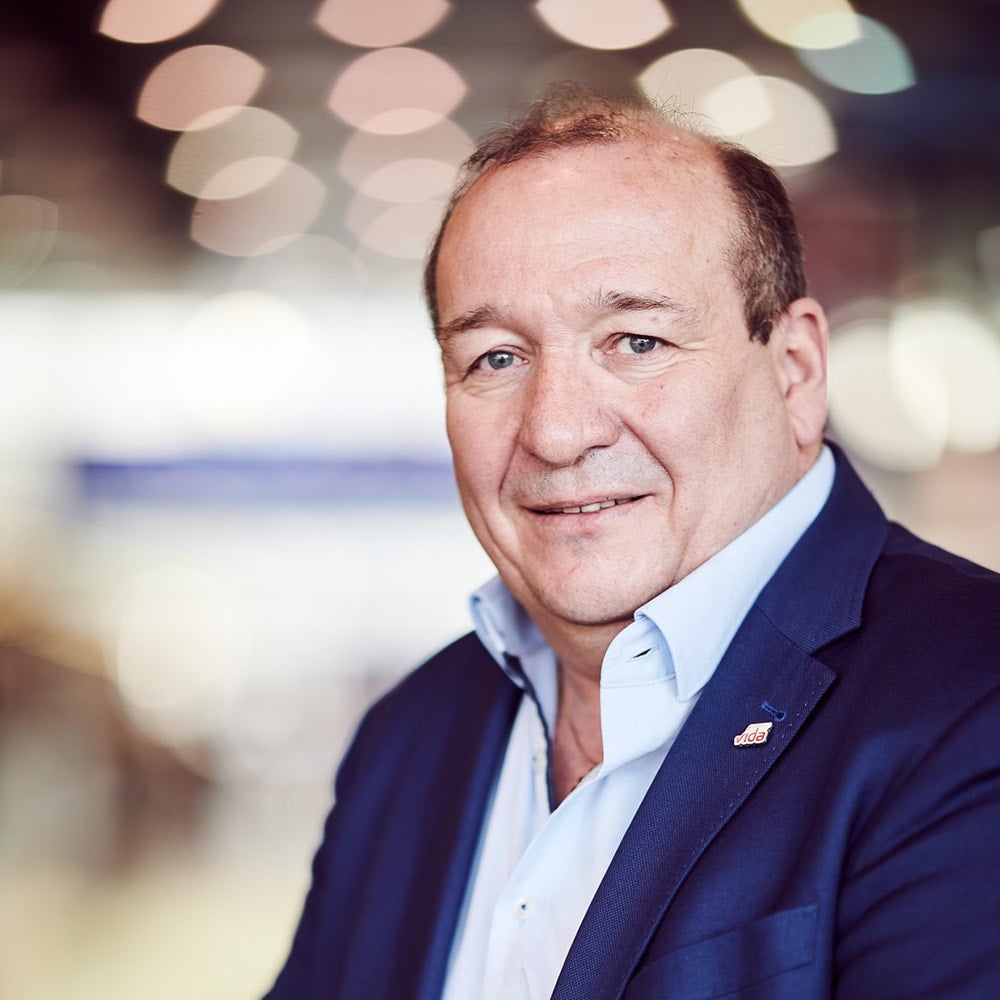
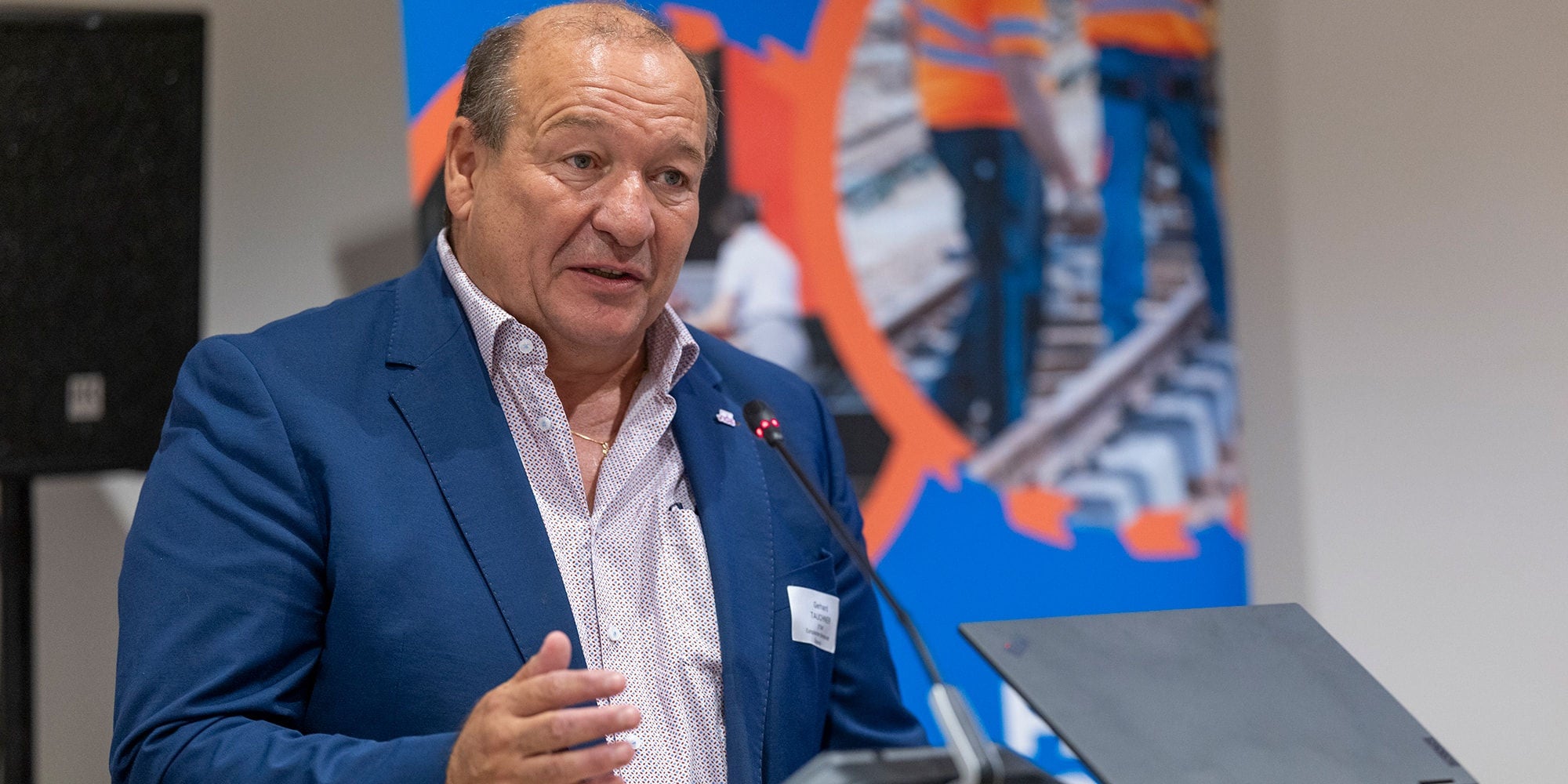
"The words must therefore now be quickly followed by deeds in the form of consistent implementation of measures."Vorsitzender des vida-Fachbereichs Eisenbahn
The alarming figures would show that there should be no further delay in protecting employees.
More staff ensures more safety
For vida, a central point of the 10-point plan is the staffing of the trains. The union has expressly spoken out in favour of double staffing for train attendants.
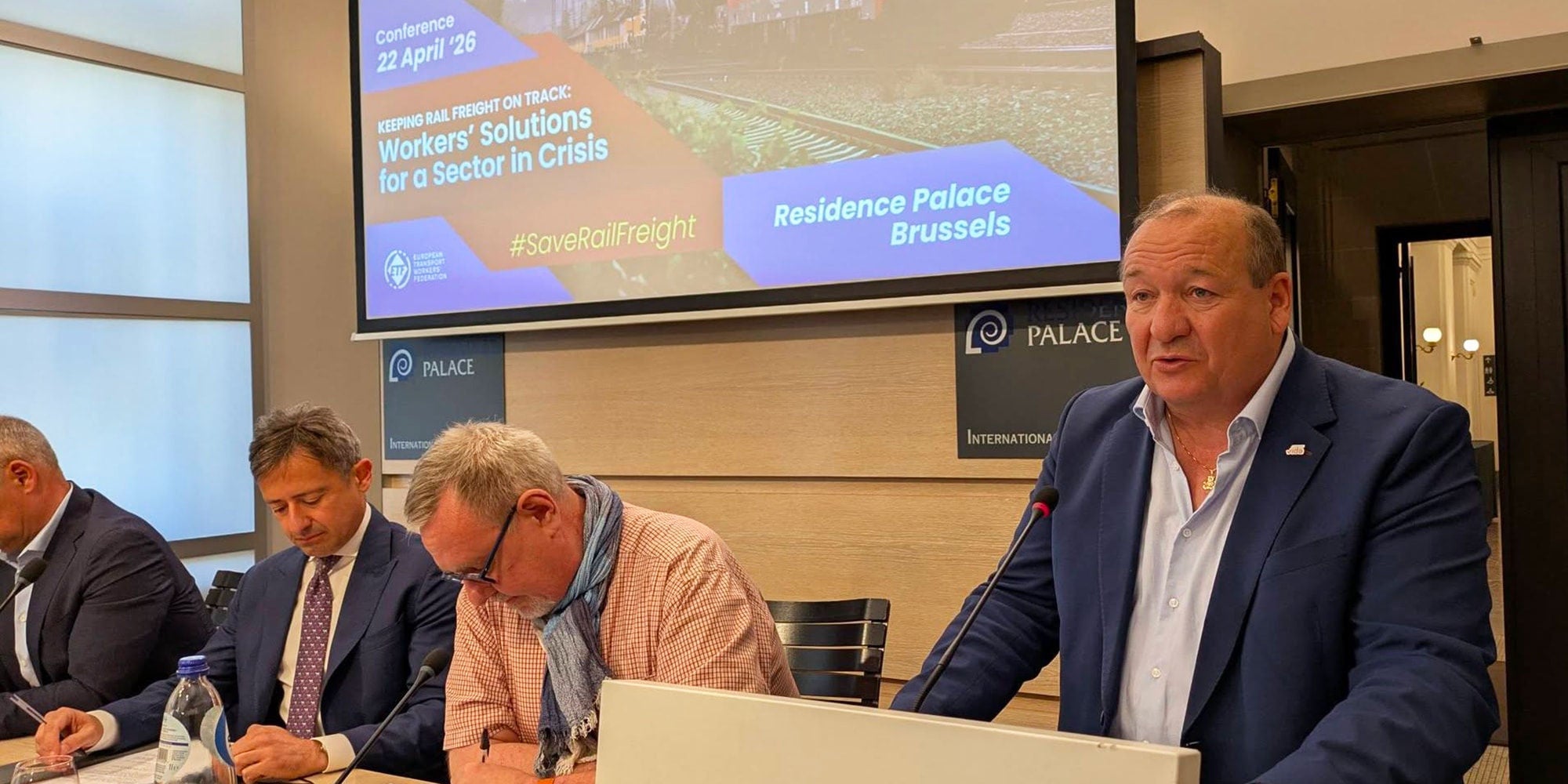
"Because only people protect people. The more staff there are on the train and on the platforms, the safer it becomes," emphasizes Tauchner.
More employees on trains and stations will be able to identify conflicts earlier, support passengers and intervene more quickly in dangerous situations. At the same time, the responsibility for safety must not be shifted to individual train attendants.
Federal states bear responsibility for tenders
Tauchner rejects criticism from Lower Austria of the existing security measures. In tenders and awards, the federal states themselves have the option of ordering concrete security services from the railway companies.
These include, for example, train attendants on the trains and appropriate camera surveillance. The costs for these services must be borne by the states.
"You can't help but get the feeling that savings are being made in the wrong place here in Lower Austria and that the responsible Lower Austrian Transport Minister now wants to distract from it with criticism of the Ministry of Mobility and thus in the wrong place," criticizes Tauchner.
Security must not be a question of price
Safety in public transport must not be sacrificed to the lowest price when awarding contracts. Tenders must provide for sufficient staff, good working conditions and binding protective measures.
If you want safe rail connections, you also have to invest in the people who work on the trains and at the stations every day. More staff not only protects employees, but also increases safety and quality for all passengers.