KV negotiations Order's hospitals in Upper Austria: Employers still do not submit a serious offer
No rapprochement in the fifth round of negotiations either – trade union vida demands improvements
KV negotiation

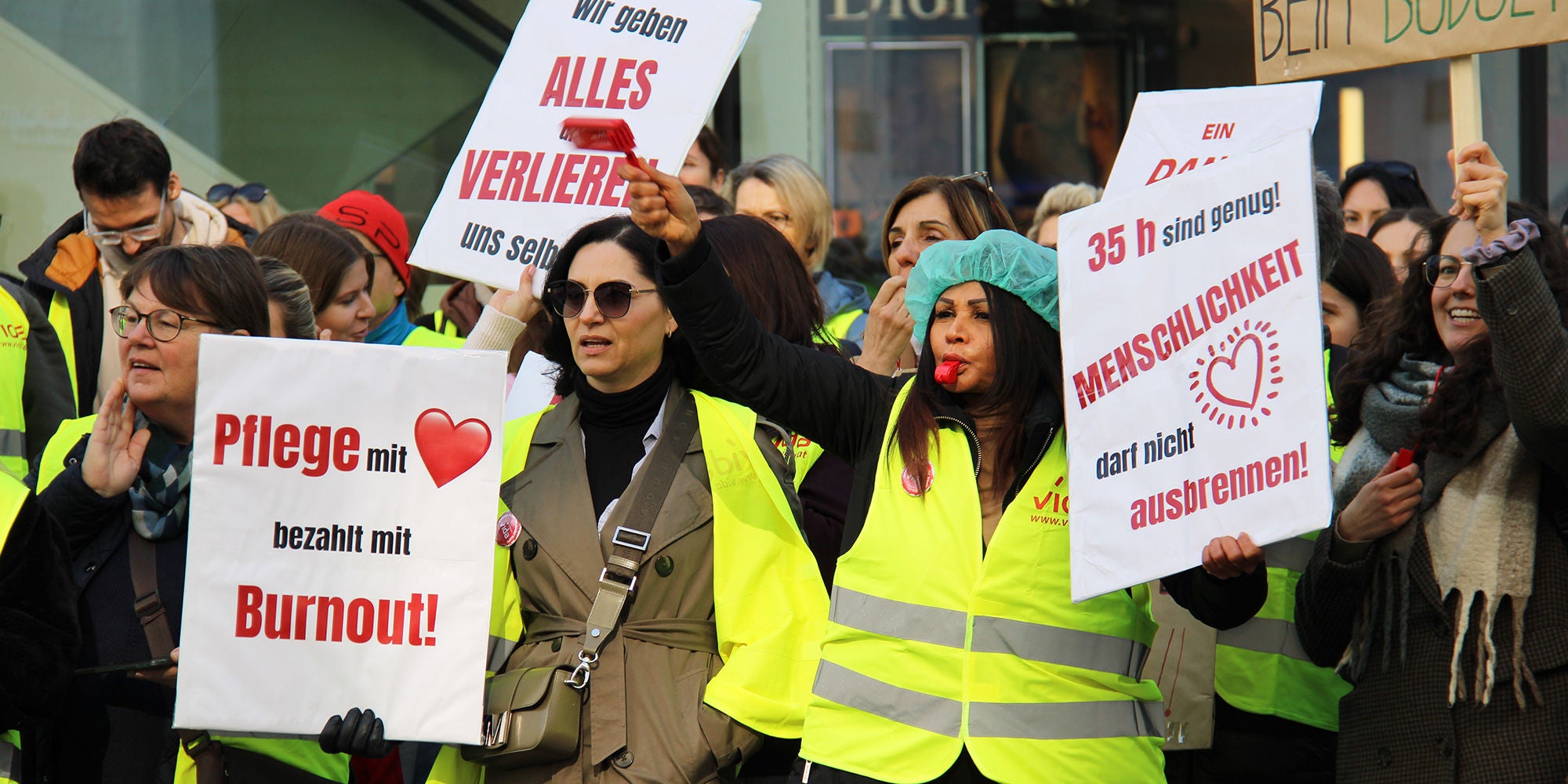
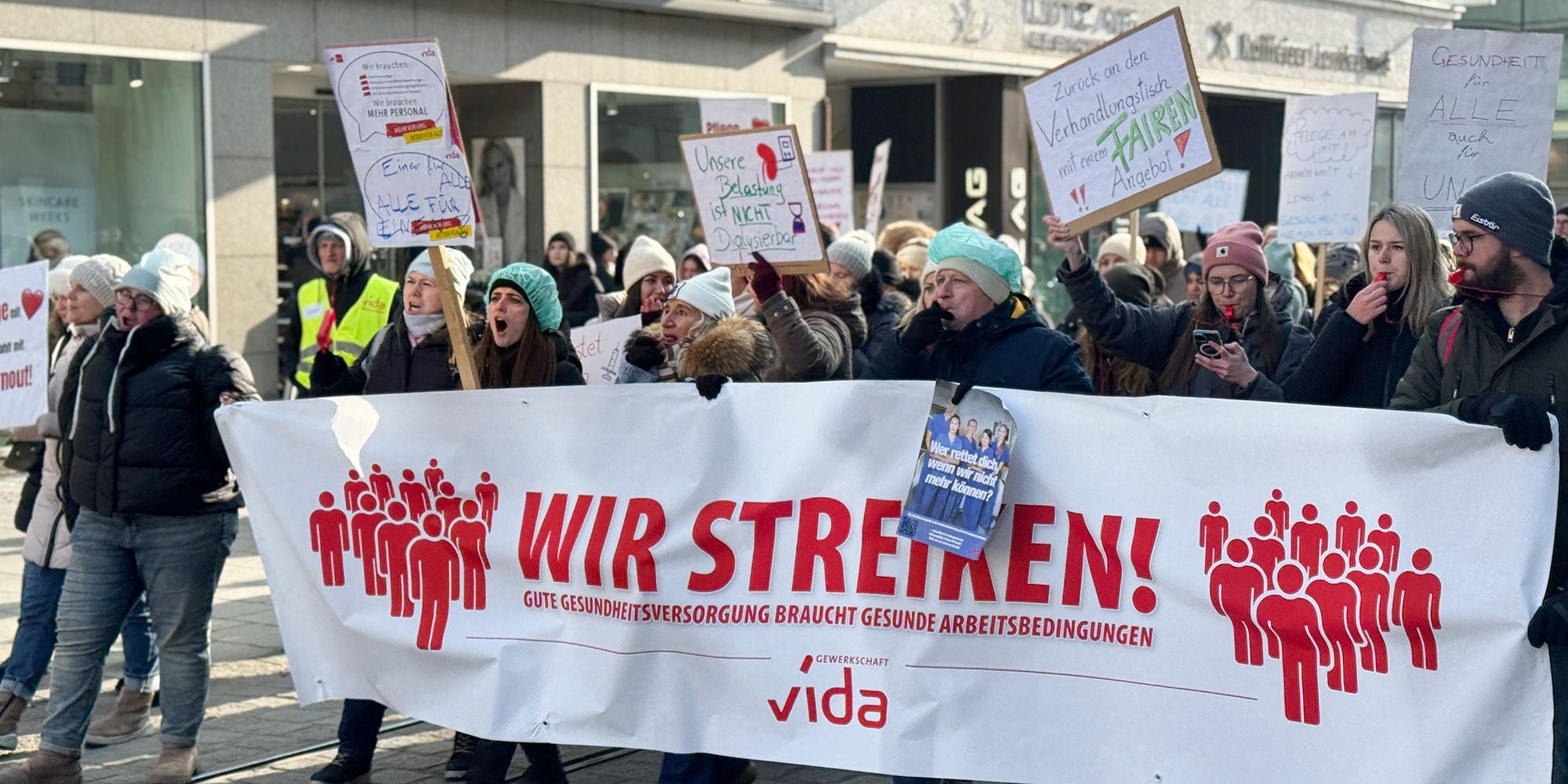
In the fifth round of collective bargaining negotiations for the religious hospitals of Upper Austria , there has once again been no significant rapprochement. Despite the clear willingness of the trade union vida to compromise, the employers' side continues to refuse to make substantial concessions on key points. Around 10,000 employees in the Upper Austrian order hospitals are affected.
The trade union vida is calling on employers to significantly improve their offer by Wednesday next week. The talks are initially to be continued in a working group. Afterwards, the employees will be informed again about the status of negotiations and asked about possible further measures.
Trade union vida presents viable compromise
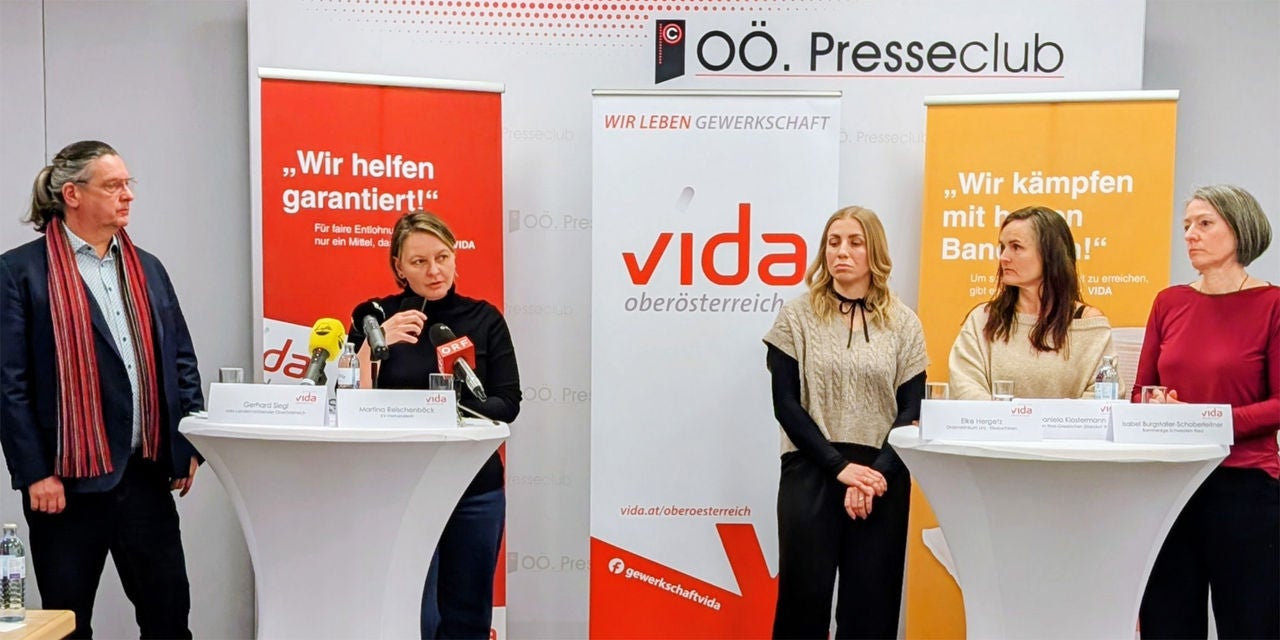
"We have taken a big step towards the employers," explains Martina Reischenböck, KV negotiator and Upper Austrian health spokeswoman for the trade union vida. The union is prepared to take over the salary agreement of the public service – on the condition of a gradual reduction in working hours.
Specifically, the proposal provides for the reduction of normal working hours to 37 hours per week within three years . This model has already been established in the Collective Agreement of the Austrian Social Economy (SWÖ). According to vida, the proposal offers planning security, feasibility and financial calculability for all parties involved.
Originally, the employees had demanded a 35-hour week . "Despite this clear concession, there is still hardly any movement from the employers," Reischenböck criticizes.
Employer offer brings only minimal relief
According to the union, the employers' latest offer to date hardly differs from previous proposals. Only one additional day of vacation per full-time employee is planned, pro rata for part-time employees.
"In mathematical terms, this corresponds to a relief of around nine minutes per week for a full-time job. In view of the high workload in the hospital sector, this is not a serious offer," Reischenböck clarifies.
The circle of negotiators is correspondingly clear:
"We walked five kilometers towards the employers – and they only walked a foot wide."
Employees demand noticeable reduction in working hours
The fact that the demand for a reduction in weekly working hours in the health sector is realistic is shown by a look at other industries. In the social economy, 37 hours per week have been standard for years. A step-by-step implementation over several years would also enable reliable planning.
Employees of the religious hospitals also speak out in the course of the collective bargaining negotiations:
"40 hours are hardly manageable in these professions. The pace of work has increased massively in recent years. Under these conditions, the susceptibility to errors also increases - this directly affects patient safety," emphasizes a colleague.
Another adds: "We expect serious solutions and a clear roadmap for reducing working hours."
"The employers have known about our demands for over four months. Nevertheless, we are experiencing a consistent attitude of refusal," says another employee.
State politics responsible for financing the religious hospitals
Since the province of Upper Austria co-finances the religious hospitals and at the same time benefits from their economic returns, the trade union vida also sees the state politicians as having a duty.
Markus Simböck, member of the collective bargaining team, appeals to the employers:
"Let's approach state politics together and demand the necessary financial commitments. Good working conditions in the hospital sector are not an additional benefit, but the basis for safe and high-quality health care."
Petition
The employees are already receiving support from thousands of signatories of the petition "Safe health care in Upper Austria needs relief for the employees of the religious hospitals."