The page has been automatically translated using Microsoft Translator
 

Offener Brief der Mitarbeiter:innen des Anton Proksch Instituts an politische Entscheidungsträger:innen

Warnung vor massiven Einsparungen im Wiener API: Suchtbehandlung ist keine Randversorgung, sondern unverzichtbare Daseinsvorsorge

Offener Brief

Gewerkschaft vida

Mit einem offenem Brief wenden sich die Mitarbeiter:innen des von massiven Einsparungen betroffenen Anton Proksch Instituts (API) in Wien an politische Entscheidungsträger:innen, Sozialversicherungsträger, Kostenträger und weitere Verantwortungsträger:innen im Gesundheits- und Sozialwesen und stellen klar: „Suchtbehandlung ist keine Randversorgung - sie ist unverzichtbare Daseinsvorsorge“.  

Sie warnen, dass unbehandelte oder unzureichend behandelte Suchterkrankungen zu mehr Krankenständen und Arbeitsausfällen, Verlust von Arbeitsfähigkeit und Erwerbsbiografien, höheren Kosten im Akutspitalsbereich, mehr psychiatrischen und internistischen Folgeerkrankungen, familiären Krisen, Kindeswohlgefährdungen und sozialen Zerwürfnissen, mehr Belastung für Sozialhilfe, Justiz, Wohnungslosenhilfe und Pflege, und letztlich zu enormen volkswirtschaftlichen Schäden führen würden.

Wer Suchtbehandlung abbaut, spart nicht - er verschiebt Kosten, Leid und Verantwortung in die Zukunft

Die API-Mitarbeiter:innen fordern daher, Wir fordern daher, ein klares politisches Bekenntnis zur Notwendigkeit spezialisierter Suchtbehandlung, eine auskömmliche und nachhaltige Finanzierung entsprechender Einrichtungen, speziell des API, Entscheidungen mit Blick auf langfristige gesellschaftliche Auswirkungen statt kurzfristiger Budgeteffekte, die Anerkennung, dass Prävention, Therapie und Rehabilitation bei Suchterkrankungen der gesamten Gesellschaft dienen. „Wer Suchtbehandlung abbaut, spart nicht - er verschiebt Kosten, Leid und Verantwortung in die Zukunft“, betonen die Mitarbeiter:innen im offenen Brief.

Der offene Brief im Wortlaut

Open letter from the staff of the Anton Proksch Institute

to decision-makers in politics, social security institutions, cost bearers and other responsible persons in the health and social care sector.

Addiction treatment is not marginal care – it is an indispensable service of general interest!

Dear Ladies and Gentlemen,

As employees of the Anton Proksch Institute, we are very concerned about you. Our facility is affected by massive savings. These developments endanger not only individual jobs or internal structures, but in the worst case the existence of a specialized care facility, which is of considerable importance for the health care system and for society as a whole. Numerous employees have already lost their jobs. For many colleagues, this means not only a professional cut, but also a personal economic burden with noticeable consequences for their livelihoods and their families.

Addiction does not only affect so-called marginalized groups. Addiction affects people from all walks of life: employees, parents, young people, pensioners, the self-employed, managers, people in charge, people with a high level of public visibility as well as those who suffer in silence. Addictions are not a marginal phenomenon, but a widespread disease with serious individual, family, social and economic consequences.

The Anton Proksch Institute treats people with addictions professionally, multi-professionally and with the necessary discretion. It is precisely this discretion that is crucial for many patients. Among our patients are also people who are in the public eye or work in socially sensitive functions. For them, as for everyone else, the following applies: Help can only be accepted in time if there are reliable, high-quality and protected treatment offers.

The effects of the current development are already clearly noticeable. For patients from Vienna, there are already restrictions on access to treatment. The first sufferers are already experiencing concrete negative consequences – such as delayed admissions, limited treatment options or longer waiting times for urgently needed therapy places. The consequences of the financial cuts will thus become visible earlier and more clearly than originally assumed.

If this supply is further weakened or destroyed, the problems do not disappear. They are only shifting – and with significantly higher follow-up costs.

This is because untreated or inadequately treated addictions lead to:

  • more sick leave and absenteeism,
  • loss of work capacity and employment biographies,
  • higher costs in the acute care hospital sector,
  • more psychiatric and internal complications,
  • family crises, endangering the welfare of children and social discord,
  • more burden on social welfare, justice, homeless assistance and care,
  • and ultimately to enormous economic damage.

Every euro invested in high-quality addiction treatment saves many times over elsewhere. Those who save on treatment today will pay with interest tomorrow – as a society, as a health care system, as a welfare state and as an economy.

We therefore strongly appeal to politicians, payers and all relevant stakeholders:

Get specialized addiction treatment.

Secure the financing of our supply.

Prevent short-term austerity logic from producing long-term social damage.

This is not about particular interests. The question is whether a society is prepared to treat people with a serious illness in a timely, effective and dignified manner – or whether it is prepared to bear the much higher consequential costs of looking the other way.

An addiction clinic is not a dispensable cost factor. It is a central component of functioning health and social care.

We therefore demand:

  1. a clear political commitment to the need for specialised addiction treatment,
  2. adequate and sustainable financing of corresponding institutions, especially the Anton Proksch Institute,
  3. Decisions with a view to long-term social effects instead of short-term budget effects,
  4. the recognition that prevention, therapy and rehabilitation of addictions serve society as a whole.

We are in daily contact with people whose lives, families and professional livelihoods are at stake. We know from our work that treatment works. Help works. Early intervention works. But it can only be effective if the structures for it are preserved.

Those who reduce addiction treatment do not save – they postpone costs, suffering and responsibility into the future.

Emphatically and with great concern,
the staff of the Anton Proksch Institute

Unterstützt werden die Anliegen der API-Mitarbeiter:innen von der Gewerkschaft vida.
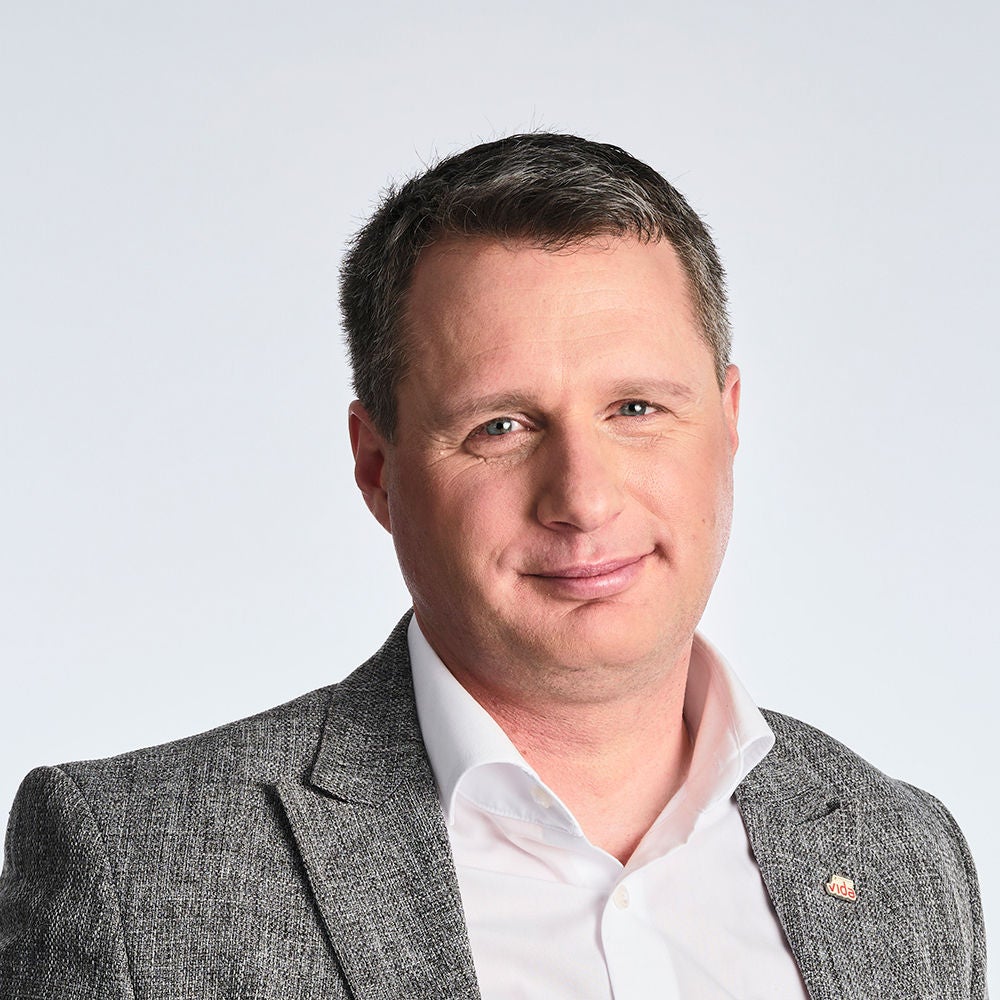
Portrait Gerald Mjka
"To cut here is short-sighted. Short-term financing mechanisms and acute cuts jeopardise healing processes, withdrawals and prevention work as well as the support of affected relatives. The follow-up costs on the labour market, in health and care facilities, and in the social security system will be high. Not to mention the personal fates of those affected and their relatives."
Gerald Mjka
Vorsitzender des vida-Fachbereichs Gesundheit

 

More topics for you