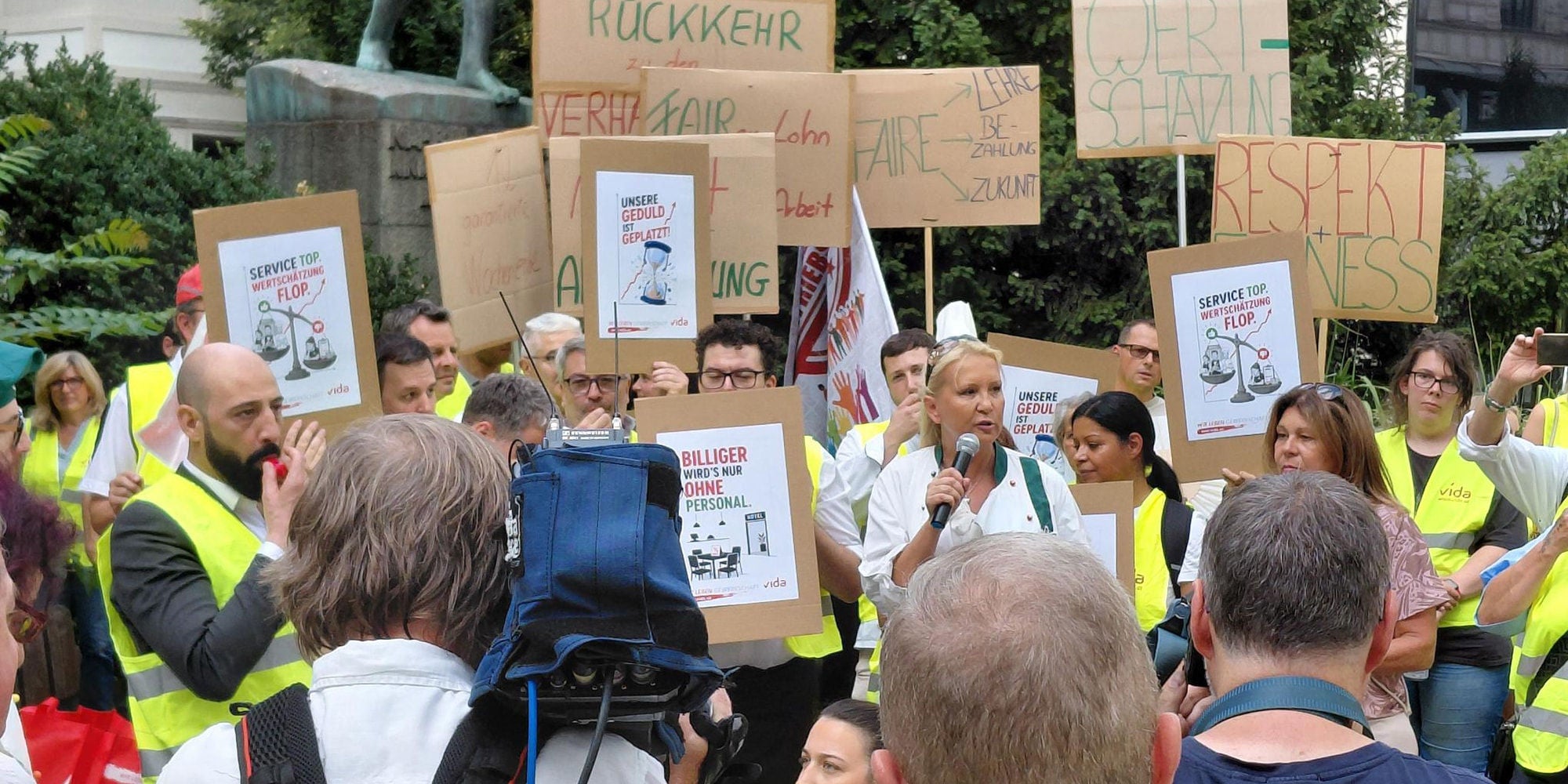
Burgenland: Staff shortage worsens despite record numbers
Rising numbers of overnight stays meet falling employment and growing staff shortages. The trade union vida is demanding fair wages, better working conditions and a quick return to the collective bargaining table.
Tourism
Tourism in Burgenland is recording strong growth, while at the same time the industry is losing employees. In May 2026, 330,312 overnight stays were counted. This corresponds to an increase of 9.1 percent compared to the previous year. The number of arrivals rose by 7.4 percent to 123,475.
While demand is growing, only 7,649 people were employed in the hotel and catering industry in Burgenland in May 2026. This is 263 employees or 3.3 percent fewer than in May 2025.
The trade union vida therefore warns of a further worsening of the staff shortage. It calls for full compensation for inflation, better working conditions and the return of the employer side to the negotiating table.
Tourism boom does not reach employees
Tourism is also developing positively economically throughout Austria. The 2025/26 winter season brought 54.25 million overnight stays, the highest value ever measured for this period.
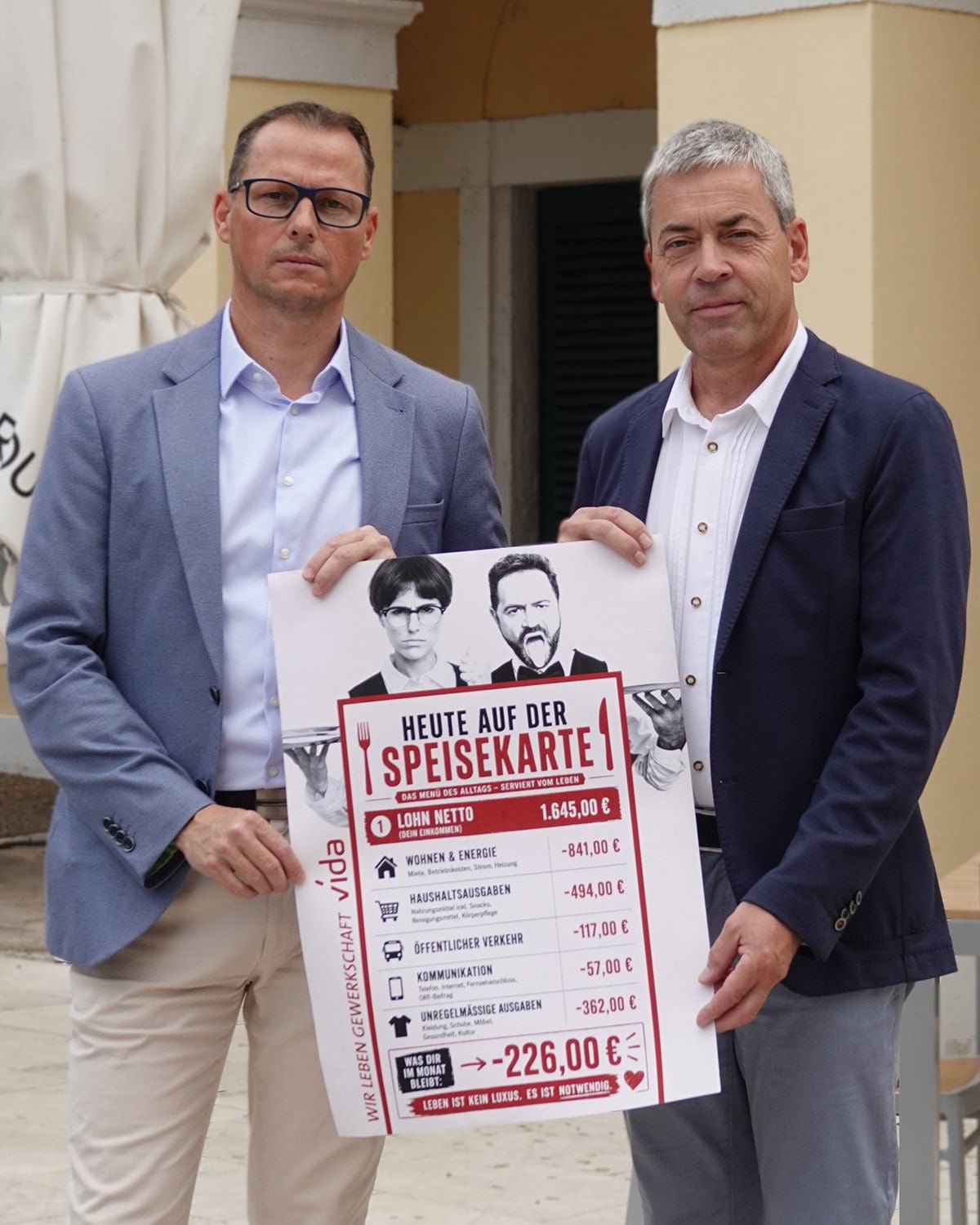
"The employees are not demanding special treatment, but fair conditions and respect for their work. Now the ball is in the court of the Chamber of Commerce."vida-Landesvorsitzender im Burgenland
However, this economic success is in clear contradiction to the situation of many employees. Low wages, high workloads, irregular working hours, and shifts on weekends and public holidays mean that many workers are leaving the industry early.
"You can't present yourself as Austria's figurehead and end up having the employees pay the bill," criticizes Berend Tusch, regional chairman of the trade union vida in Burgenland.
Collective bargaining negotiations still deadlocked after termination
The new collective agreement for employees in the hotel and catering industry should have come into force as early as May 1, 2026. However, an agreement has not yet been reached.
The last offer from the employers' side was an average wage increase of three percent and thus below the relevant annual inflation of 3.6 percent. For the employees, this would mean a loss of real wages.
The trade union vida continues to demand full inflation compensation. Specifically, the minimum wages in the lowest wage group are to increase by 73 euros gross and in the top wage group by 65 euros gross.
The lowest wage group, in which more than half of the employees are classified, is particularly relevant. Although the negotiating teams had already come closer, an agreement ultimately failed at four euros per month for this group of employees.
Companies and employees need planning security
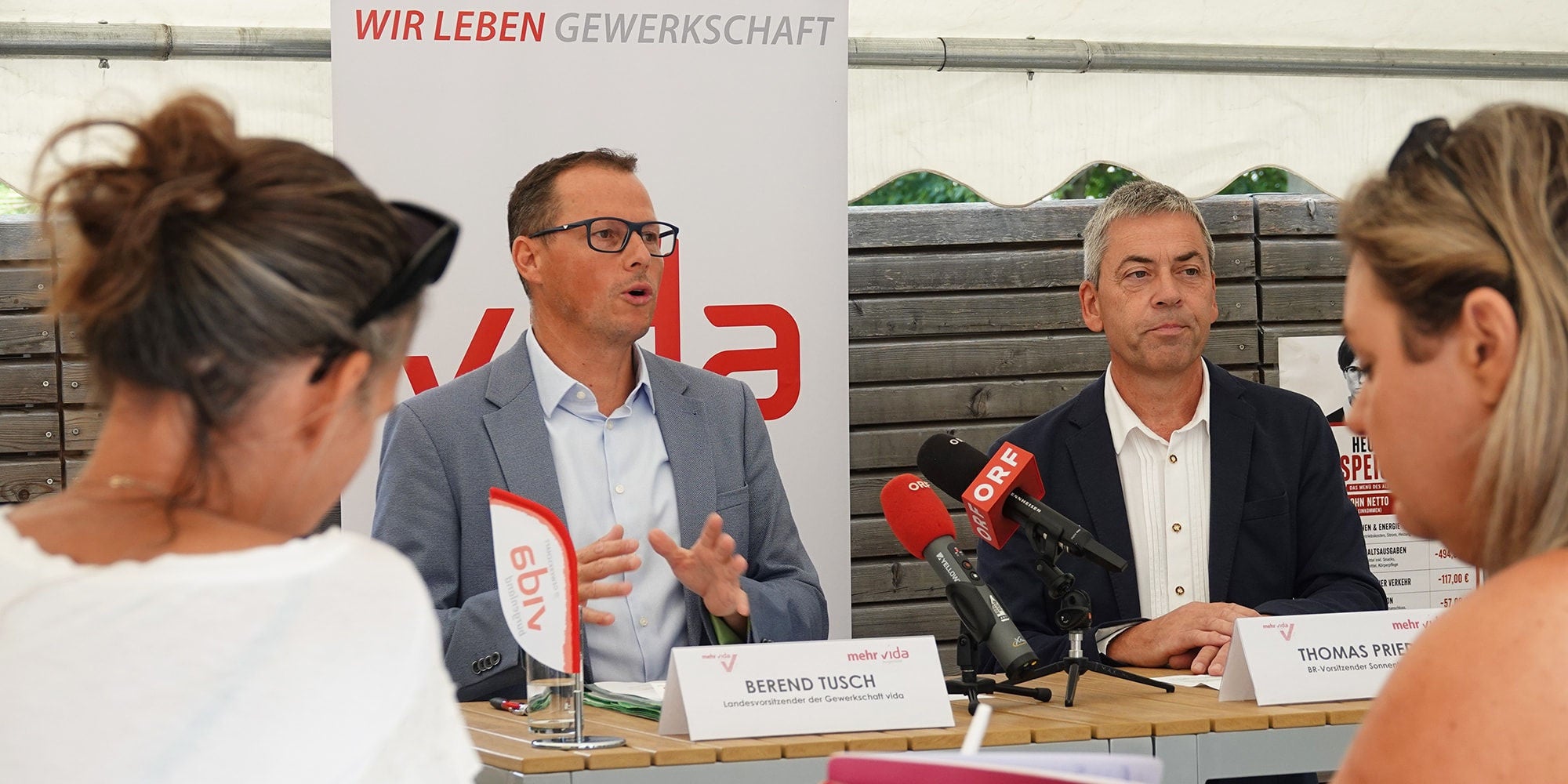
Thomas Priedl, chairman of the works council of Sonnentherme Lutzmannsburg and member of the collective bargaining team, criticises the breakdown of negotiations by the employers.
"It is incomprehensible that the employers have broken off the negotiations. The employees are waiting, but the companies also need planning security," explains Priedl.
Especially in tourism, jobs cannot simply be relocated abroad. This makes it all the more important to keep employees in the industry and in the region in the long term.
"We want to get back to the negotiating table and reach an agreement that compensates for the loss of real wages," Priedl emphasizes.
Concern for Hungarian workers is growing
Burgenland's tourism industry is heavily dependent on employees from Hungary. Around 5,000 employees from the neighbouring country currently work in tourism in Burgenland.
vida fears that up to 1,000 of these workers could be lost in the future. Economic development and rising incomes in Hungary could make a return more attractive for many employees.
"We only ever fight the symptoms, but never the causes," warns Tusch.
From the union's point of view, the labour shortage cannot be solved by recruiting new employees alone. Rather, it is crucial to improve working conditions in such a way that employees remain in the industry in the long term.
Short duration of employment reveals structural problems
Across Austria, employees stay in the hotel and catering industry for an average of only 33 months. Across all sectors, the average duration of employment is 73 months.
Seasonal redundancies and subsequent rehires are also still widespread. According to WIFO, tourism accounts for around one fifth of all unemployment days as a result of such layoffs and the associated costs for unemployment benefits.
Further structural problems are evident in controls and arrears of contributions. Between 2020 and 2025, more than 22,000 inspections were carried out in the hotel and catering industry. This resulted in almost 10,000 criminal complaints. In addition, there are arrears of contributions, late payment penalties and insolvency losses at the Austrian Health Insurance Fund.
Fair conditions for apprentices and employees
In Burgenland, around 160 apprentices are currently being trained in about 50 training companies. In order for young people to stay in tourism after their training, vida believes that long-term perspectives are needed.
These include fair incomes, predictable working hours, sufficient staff, a lower workload and respectful interaction in the company.
"We experience every day in the companies the commitment with which our colleagues work. Staff shortages, high workloads and weekend and holiday services have long been part of everyday life," explains Priedl.
vida calls for return to the negotiating table
The trade union vida calls on the Chamber of Commerce to end its blockade attitude and to resume collective bargaining negotiations.
A fair collective bargaining agreement is not only necessary for employees, but also a central prerequisite for combating the shortage of staff and securing tourism in the long term.
"The employees have done their job. Now it is up to the employer side to settle this outstanding bill and return to the negotiating table with a fair offer," Tusch concluded.