Employees reject employer offer – vida calls for protection of purchasing power
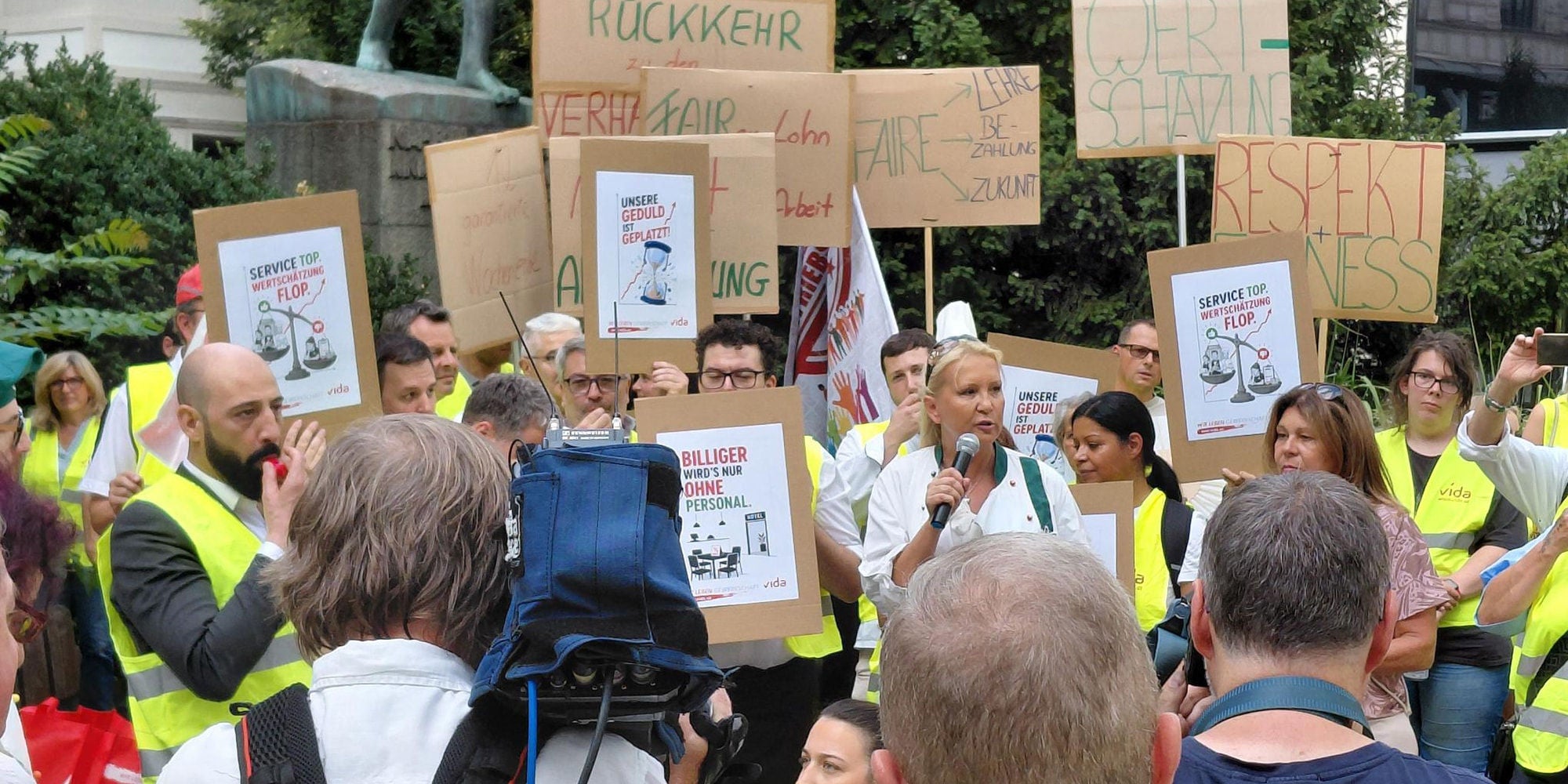
Grassroots democratic voting in the hotel and catering industry does not bring a clear yes to the employers' offer. The trade union vida sees this as a clear mandate of the employees: No collective agreement must lead to real wage losses.
Tourism KV

Employees do not give a clear mandate to the offer
The employees in the Austrian hotel and catering industry have spoken: The current offer of the employers' side does not receive sufficient approval in a survey conducted by the trade union vida. It is therefore clear that the union will not agree to the proposal in its present form.
For vida, the result is a clear signal from the companies. The employees expect a collective agreement that secures their purchasing power and takes into account the rising cost of living.
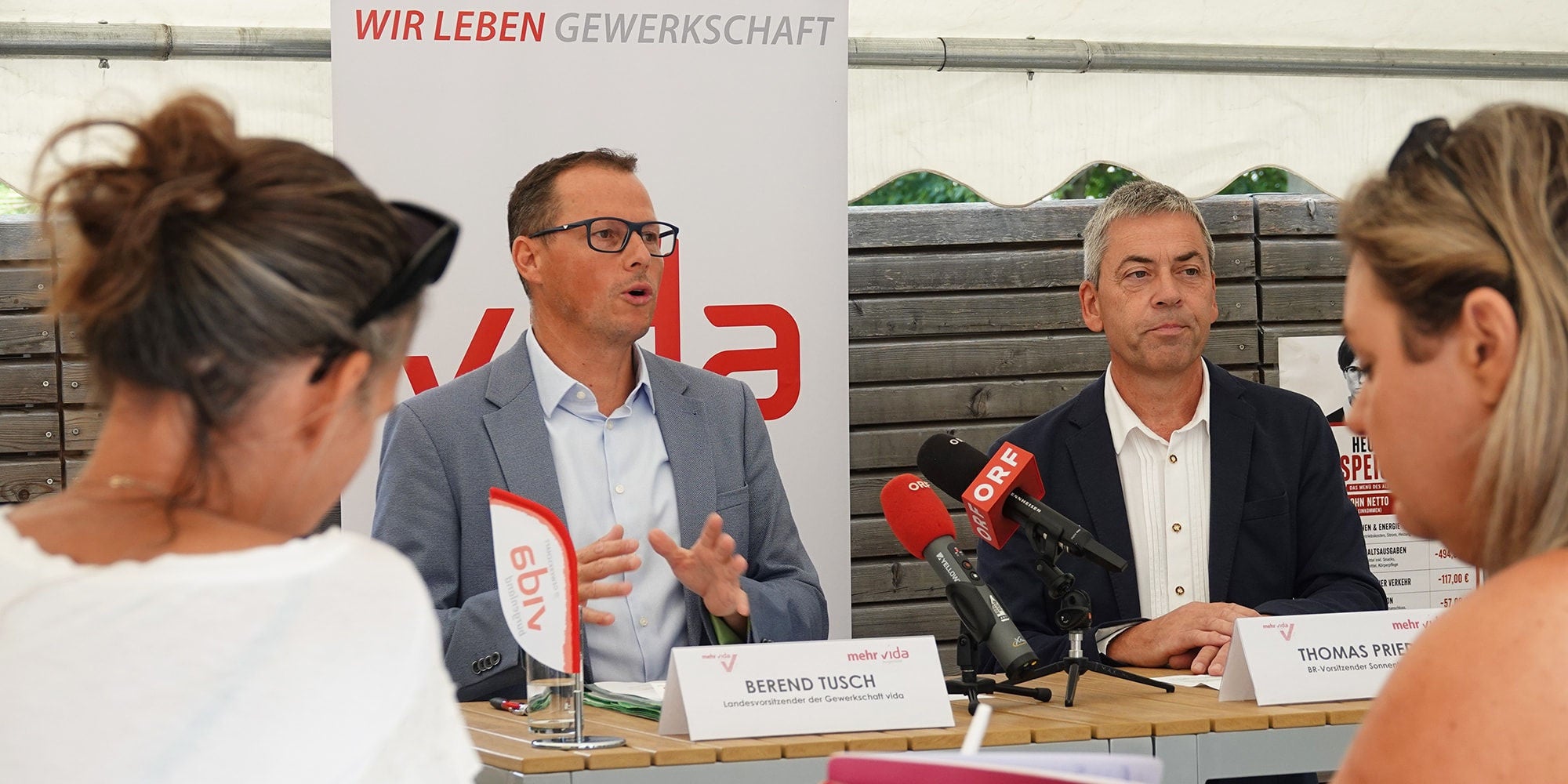
"We stand for a democratic culture. If the people who work in this industry every day cannot accept this offer, then this is an unmistakable mandate for us as a negotiating team: a loss of real wages cannot be made."
Tourism prices are rising significantly faster than incomes
From the union's point of view, the rejection is understandable. While prices in the hotel and catering industry have risen cumulatively by around 38.4 percent since 2022, employees are now supposed to accept a deal that does not fully secure their purchasing power.
vida points out that many costs of daily life – from rents to insurance to municipal fees – are automatically adjusted to inflation. However, employees in tourism in particular often have no financial reserves to compensate for real wage losses.
Employees bear the industry – not the costs of inflation
The union criticises the fact that many companies have passed on the increased costs to guests, but that there is no provision for sufficient inflation compensation for their own employees.
Colleagues in the hotel and catering industry often work at inconvenient times, on weekends, holidays and at night. This makes it all the more important that their work is fairly remunerated and that they can afford to live.
Labour shortage or attractiveness crisis?
vida sharply criticizes the recurring complaints of employers about an alleged shortage of workers. From the trade union point of view, the economic facts speak a different language.
In a functioning market economy, labour shortages lead to rising wages. However, if incomes fall in real terms, there can be no question of an actual shortage. Rather, the industry is confronted with an attractiveness crisis caused by low wages and difficult working conditions.
The union is therefore demanding better incomes and better working conditions instead of ignoring the causes of the problem.
Criticism of Red-White-Red Card and shortage occupation list
The German government is also under criticism. vida warns against covering up structural problems in the industry by increasing the recruitment of workers from abroad.
Instead of permanently relying on the shortage occupation list and the red-white-red card, measures are needed to make the tourism profession more attractive for people in Austria. Fair wages and safe working conditions are the decisive prerequisites for this.
vida calls for new offer and continuation of negotiations
The message from the employees is clear: an agreement at the expense of purchasing power is out of the question. Now the ball is in the employers' court.
vida is calling for a new, negotiable offer that takes inflation into account appropriately and offers employees the necessary financial security.