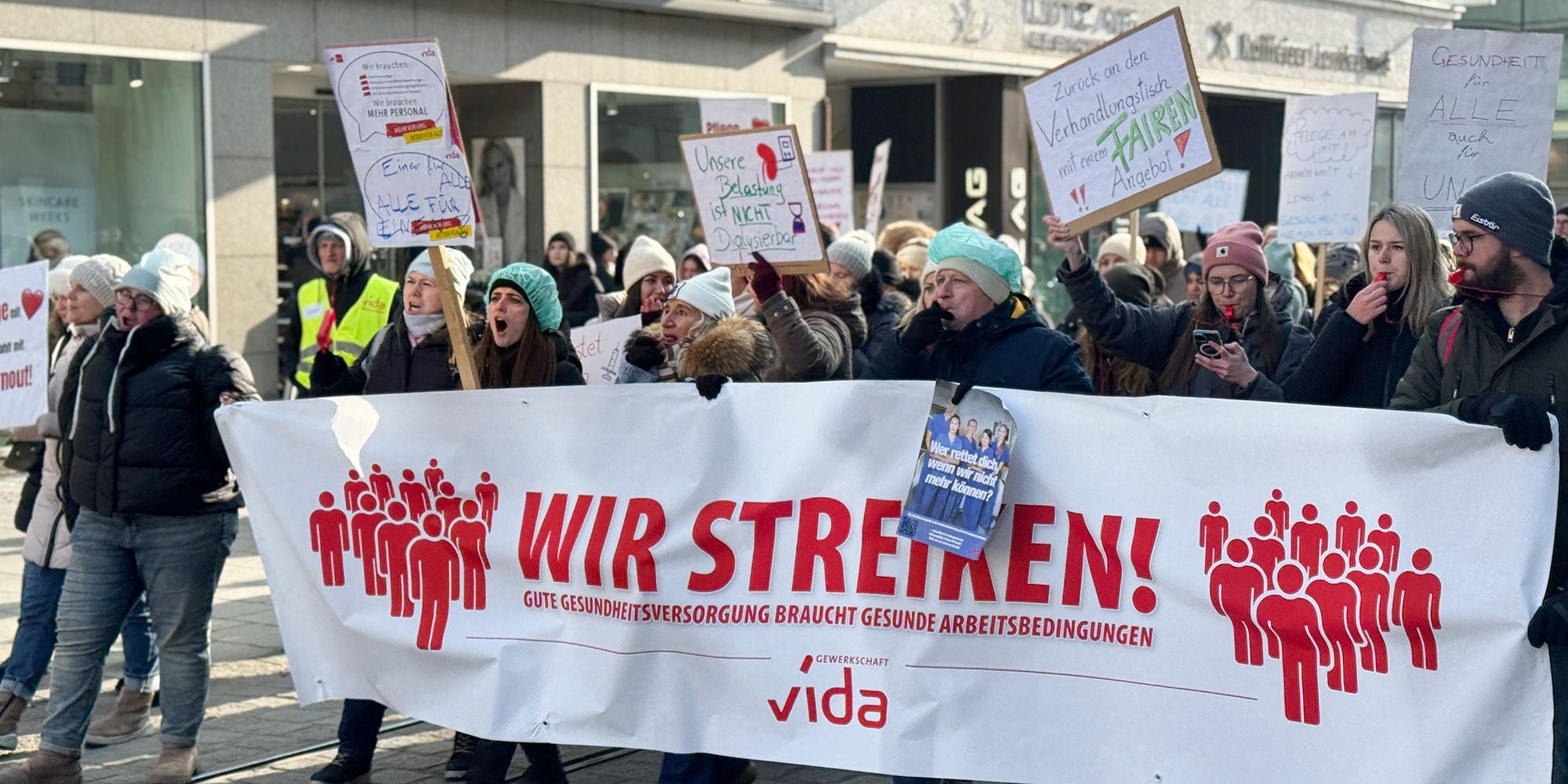
Order Hospitals Upper Austria: Employees vote for all-day strike on 22 January
93.3 percent in favor of strike – trade union vida continues to rely on solution at the negotiating table.
KV negotiation

The employees of the Upper Austrian Order Hospitals have sent a clear signal: In a vote by the trade union vida, they clearly rejected the last offer of the employers. 93.3 percent voted for a strike. The trade union vida is now asking the Austrian Trade Union Confederation to authorise strikes. January 22 has already been set as a possible date - on this day there will be a full-day strike in all eight affected order hospitals .
The aim of the strike is to bring movement into the stalled collective agreement negotiations. At the same time, the trade union vida emphasizes its willingness to continue to come to a solution at the negotiating table.
Consideration for patients has top priority
Out of responsibility towards the patients, the trade union vida deliberately announces the strike date early. This is intended to enable patients as well as facilities to prepare for possible restrictions.
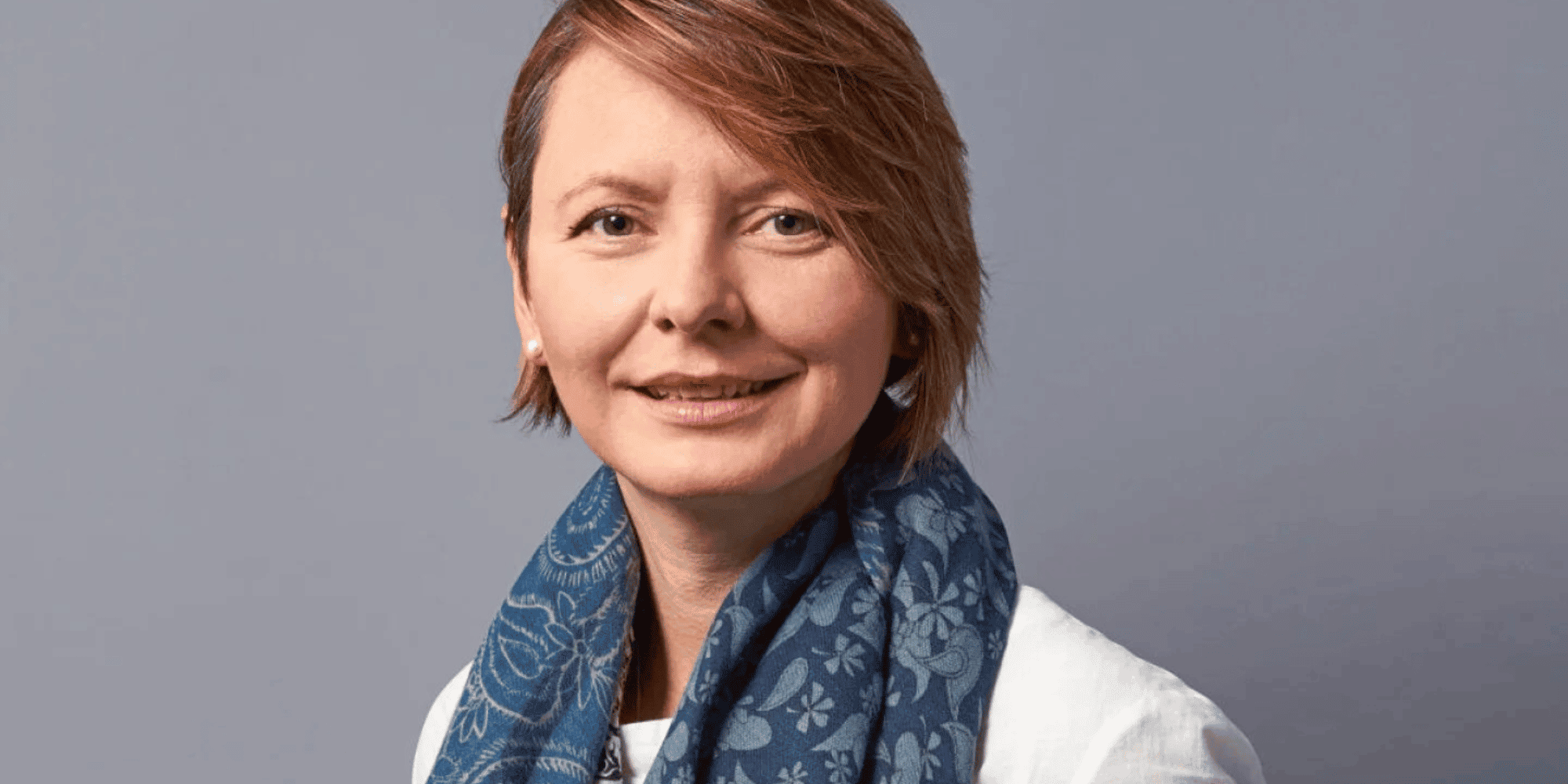
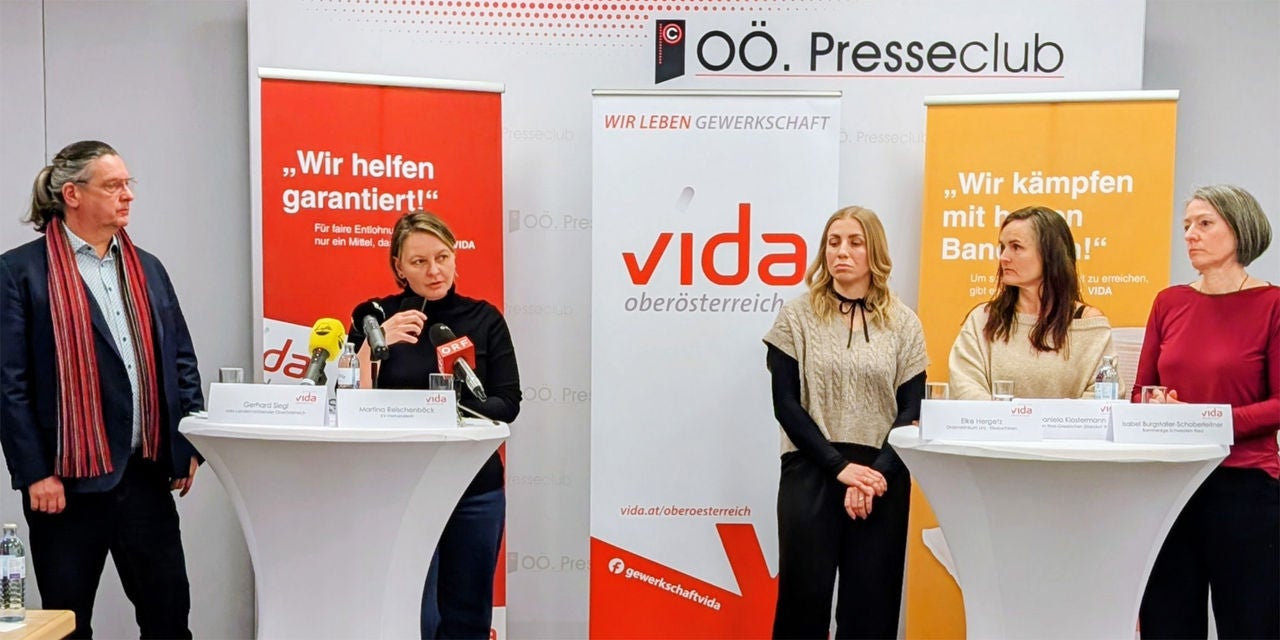
"We offer the employers to consult with us about an orderly shutdown of the company on the day of the strike. Even in the event of a strike, we will fulfil our responsibility towards patients so that they can adapt to restrictions and postponements. We also expect the same from the employers,"
says Martina Reischenböck, negotiator for the trade union vida.
Collective bargaining negotiations still without progress
In the fourth round of negotiations for the collective agreement of the approximately 10,000 non-medical employees of the religious hospitals, the employers did not present a new offer on the central demands. At the beginning of the negotiations, the employees had already issued a 40-day ultimatum for an agreement – this has now expired.
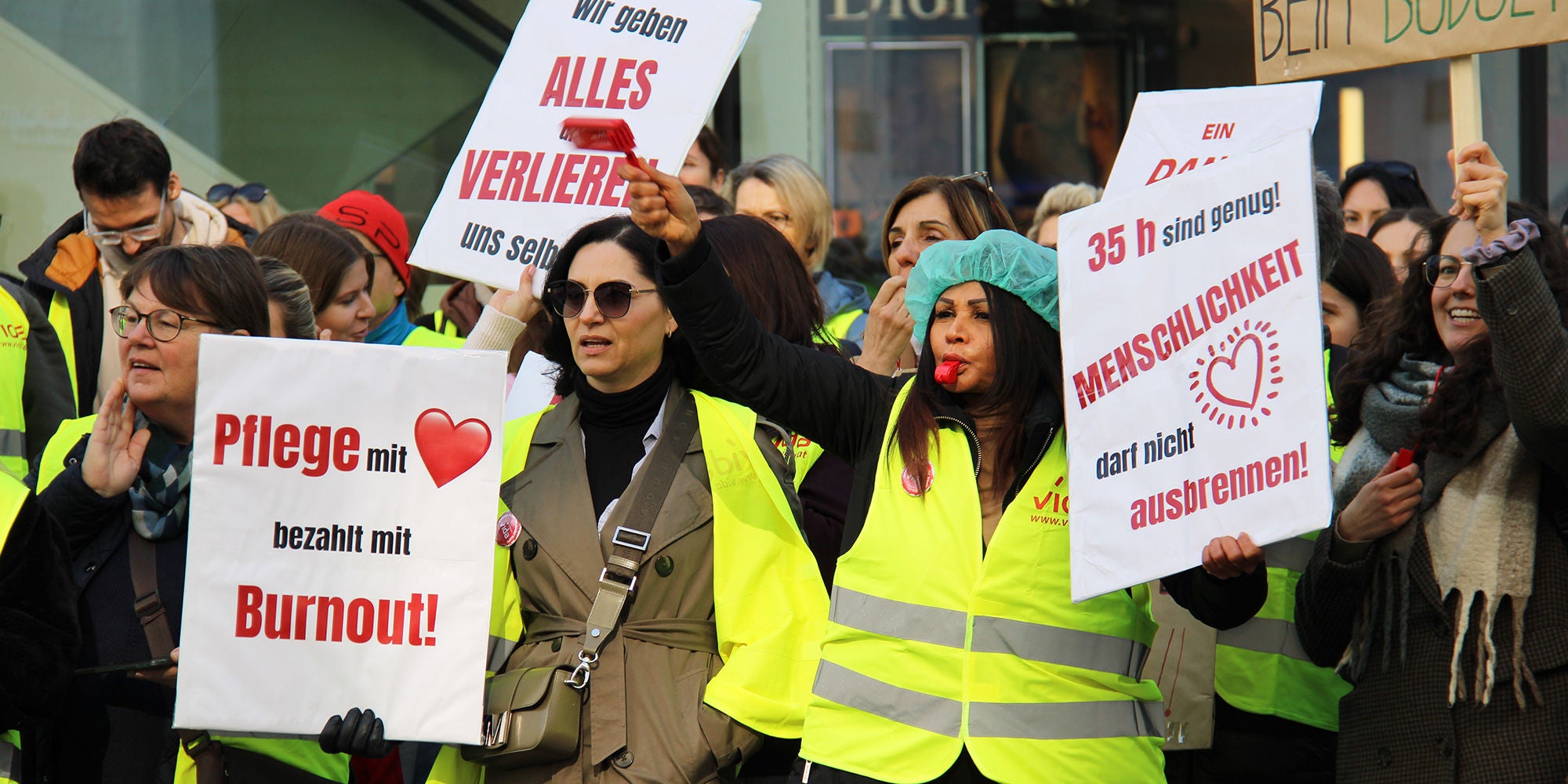
On this occasion, around 200 employees recently gathered in front of the Linz Landhaus, while the state government was meeting there at the same time. The responsible Health Minister Christine Haberlander did not take the opportunity to talk to the employees at the rally.
Misleading cost estimates by employers
Additional irritation was caused by a letter from the employers, in which the demands for inflation compensation and a gradual reduction in working hours to 35 hours per week were presented as excessive.
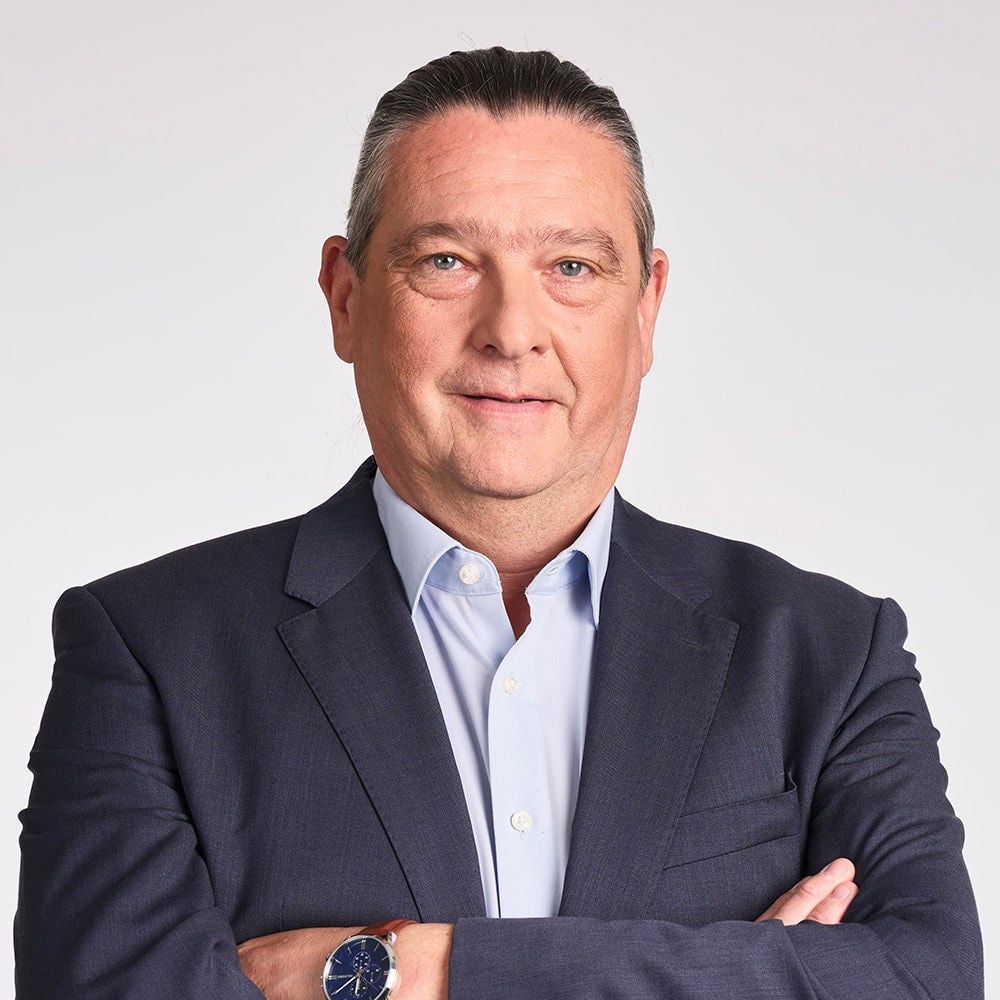
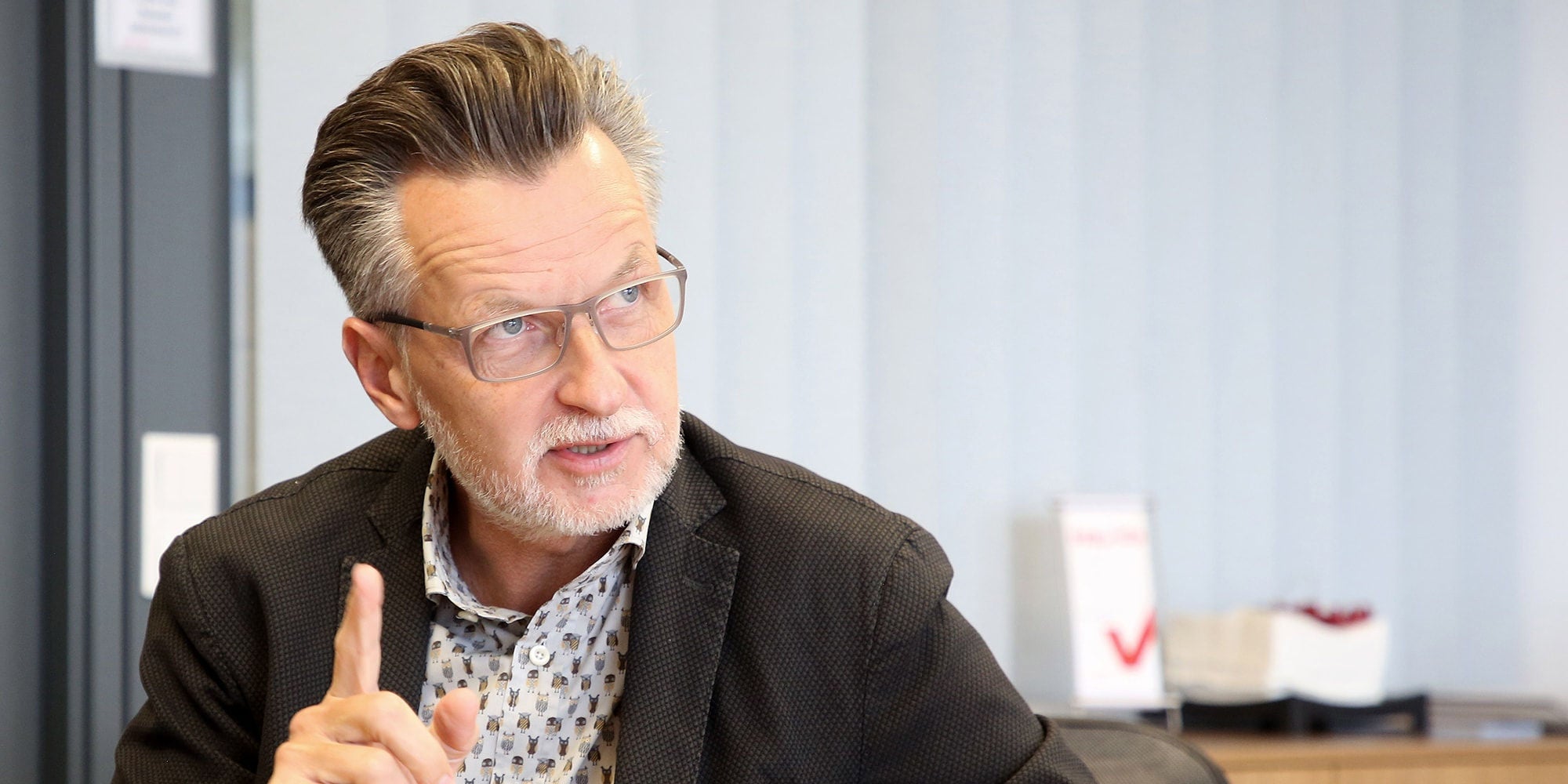
"When employers say that 900 additional full-time jobs are needed overnight, this is deliberate misleading. Our step-by-step plan provides for one hour less per year until 2030. Employers would therefore have five years to build up additional staff."vida-Landesvorsitzender Oberösterreich
This would also spread the costs of a reduction in working hours over several years. In addition, the financial leeway is available:
"At the end of November, the federal and state governments agreed on a stability pact that gives the states more financial leeway. Necessary investments in the Upper Austrian health care system - such as a fair collective agreement - are thus possible," said Siegl.
More attractive professions against staff shortages
The need for action in hospitals is evident. Rising patient numbers, increasing need for care and at the same time growing staff shortages are placing a massive burden on employees.
"Our patients are becoming more, older, more complex. At the same time, we are lacking more and more staff to provide them with good care. My colleagues and I are determined, because we know what it takes: the professions in hospitals must become more attractive,"
says Petra Huber, nurse at the Sisters of Mercy in Linz.
A Caritas study from September 2025 confirms this assessment: up to 4,000 additional full-time jobs could be created throughout Austria through better working conditions and higher hours for part-time workers.
Strike as a signal – not as a final stroke
If the strike on 22 January is approved by the ÖGB, the trade union vida expressly does not understand it as the end of the negotiations, but as a necessary impulse.
"We are ready to negotiate - and continue to hope for a solution at the negotiating table. As a social partner, our hand is and has always been extended in the direction of the employers. At the same time, politicians have a duty to ensure the financing of public health facilities and the fair remuneration of employees,"
emphasizes vida negotiator Martina Reischenböck.