KV Private Hospitals: Providers accumulate profits, why should employees bleed?
Trade union vida demands serious, appreciative offer at the fifth round of negotiations on 12 January.
KV negotiation

Collective bargaining negotiations for employees of private hospitals continue to stall. While the first round of negotiations ended without any offer from the employers, in the following rounds only three-year offers were presented, which would have meant massive, ongoing real wage losses for the employees. Most recently, they offered 2.75 percent from July 2026 and even less in the following years, without any improvements in the framework law – based on rolling inflation of 3.09 percent.
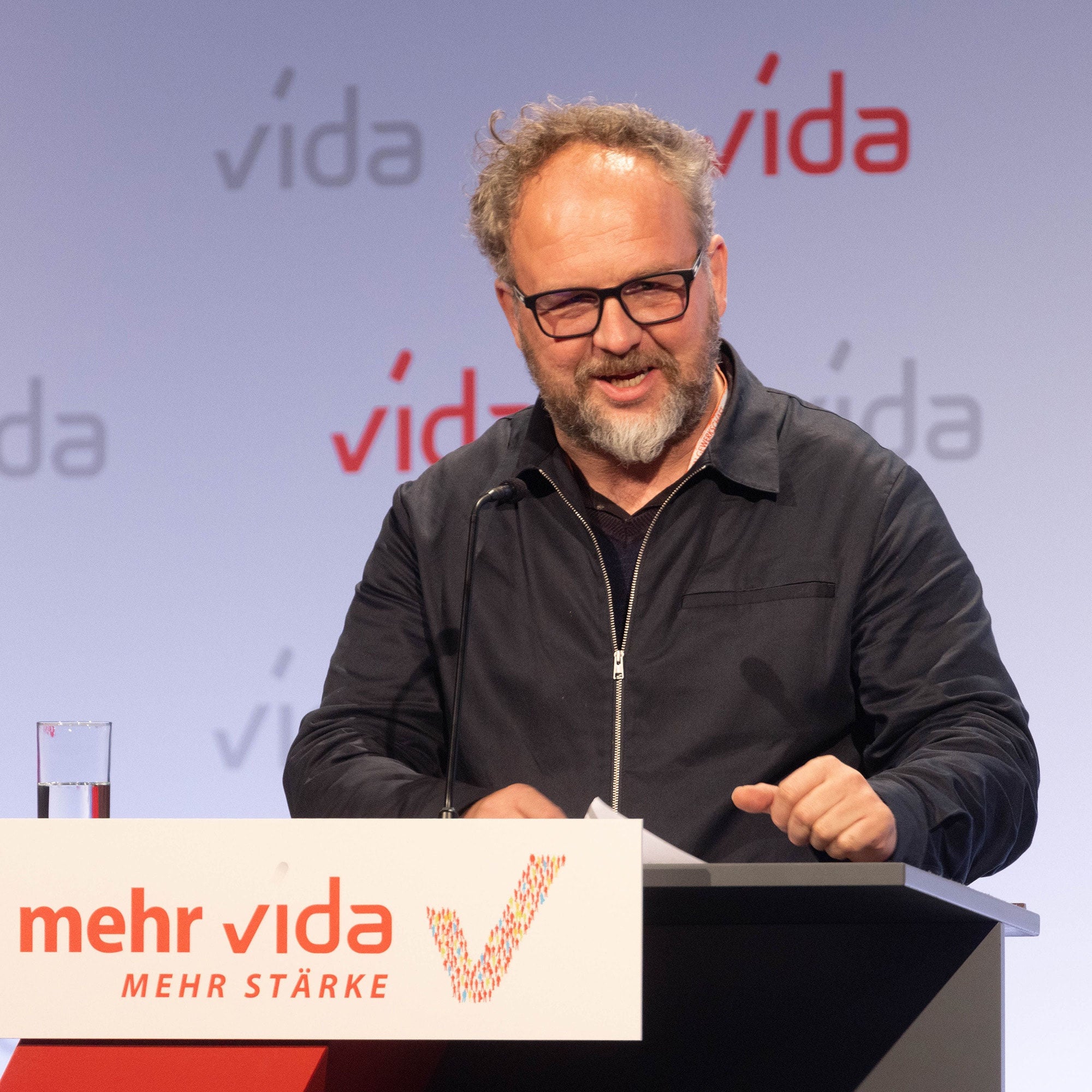
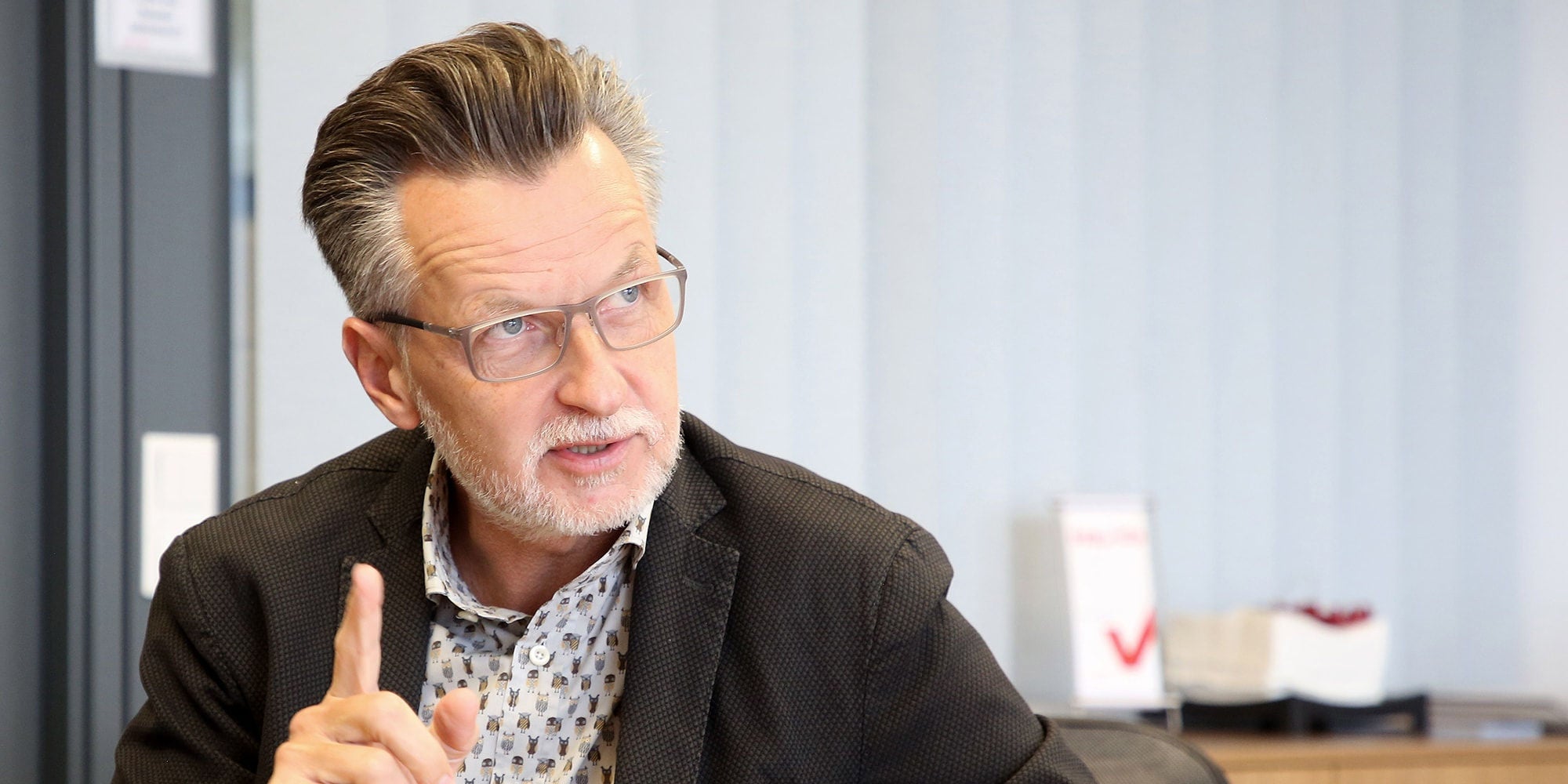
"What has been put on the table so far has not been serious offers, but an expression of a lack of respect for those who keep the health system running every day."Gesundheitssprecher und KV-Verhandler der Gewerkschaft vida
No reason to conclude the health crisis
vida firmly rejects the employers' argumentation that one must orient oneself to "crisis agreements" of other industries. "The private health sector is not a crisis industry. On the contrary, the biggest crisis is the shortage of staff – and this is not being combated with wage sacrifices, but with fair pay and better working conditions," says Steer.
Particularly paradoxical is the employers' argument that higher wages would further drive inflation. In private hospitals, many employees work in lower income groups – these colleagues do not spend their income on luxury, but on rent, food and electricity bills. Every euro goes directly into daily consumption. "Anyone who denies them wage increases exacerbates social insecurity - and certainly does not solve an inflation problem," emphasizes the vida trade unionist.
Profits are growing – pressure on employees is increasing
At the same time, the sponsoring companies of the private hospitals are doing excellent business. Large owners and operators such as STRABAG, PORR and UNIQA – the latter through their health group Mavie Med – have recorded double-digit profit growth in recent years. "This is where profit is generated – but at the other end, the employees are supposed to pay for it. That's called wage theft," says Steer. "There is deliberate speculation here that employees do not want to leave their patients in the lurch. Those who support this system are left in the lurch."
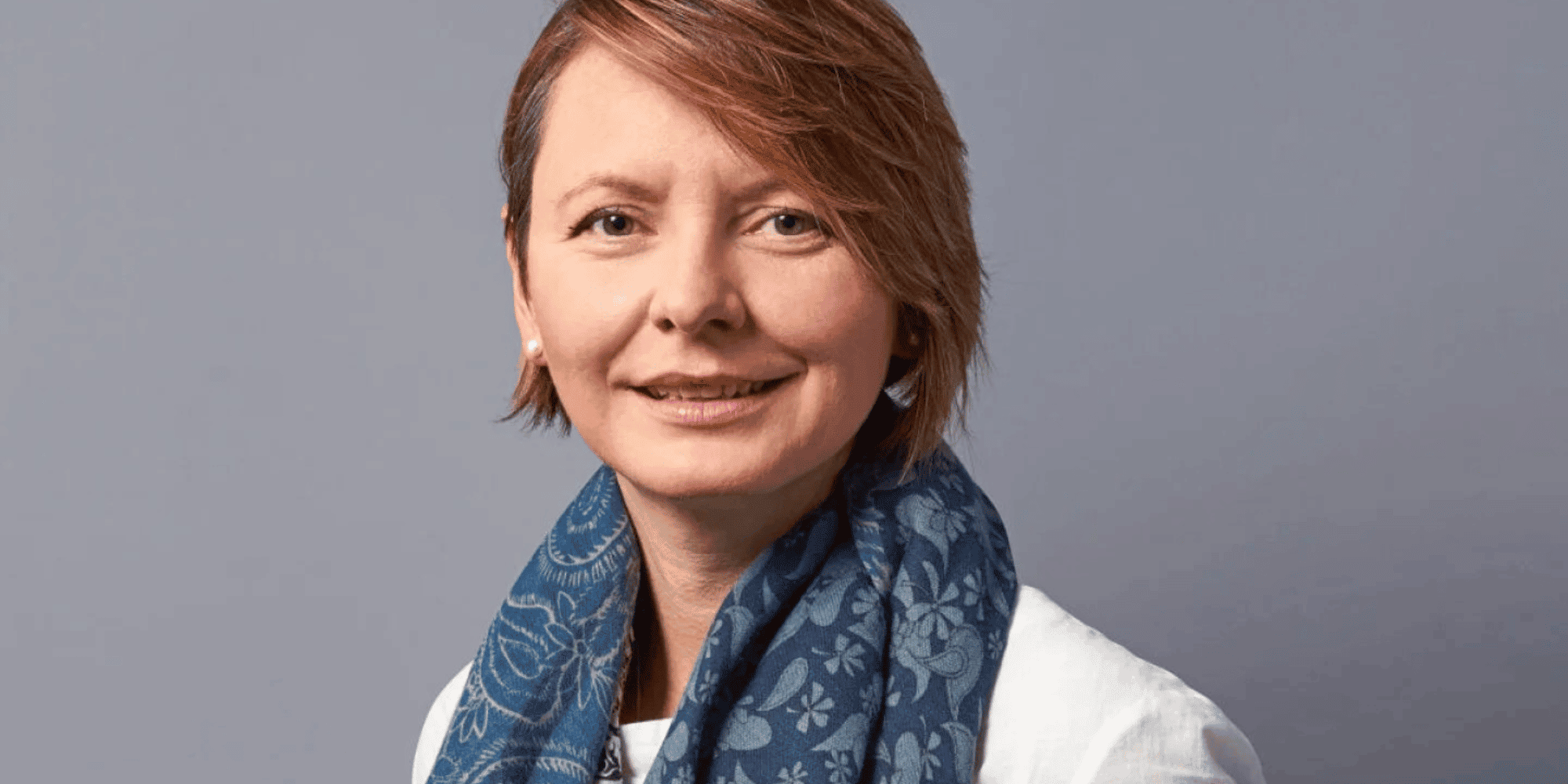
Eduardo Maldonado-González, Vice President of the Chamber of Physicians in Vienna and chairman of the Curia of employed doctors, also reacts with surprise: "The profit increases would not have been possible without the work and commitment of the employees. Therefore, they should of course benefit from the profits they make." However, the present offer would lead to a loss of real wages. "We hope that the employers' side will present a serious offer by the next negotiation date in January," Maldonado-González appeals.
Waiver of wages does not save a hospital
Poor collective bargaining agreements have never saved a hospital – and no job either. Harald Steer, who also works as chairman of the works council at the Anton Proksch Institute, knows this. The addiction clinic on the outskirts of Vienna has experienced several structural, organizational and ownership changes in recent years, which have resulted in deterioration for the workforce. "All the savings have not prevented a wave of layoffs from threatening now."
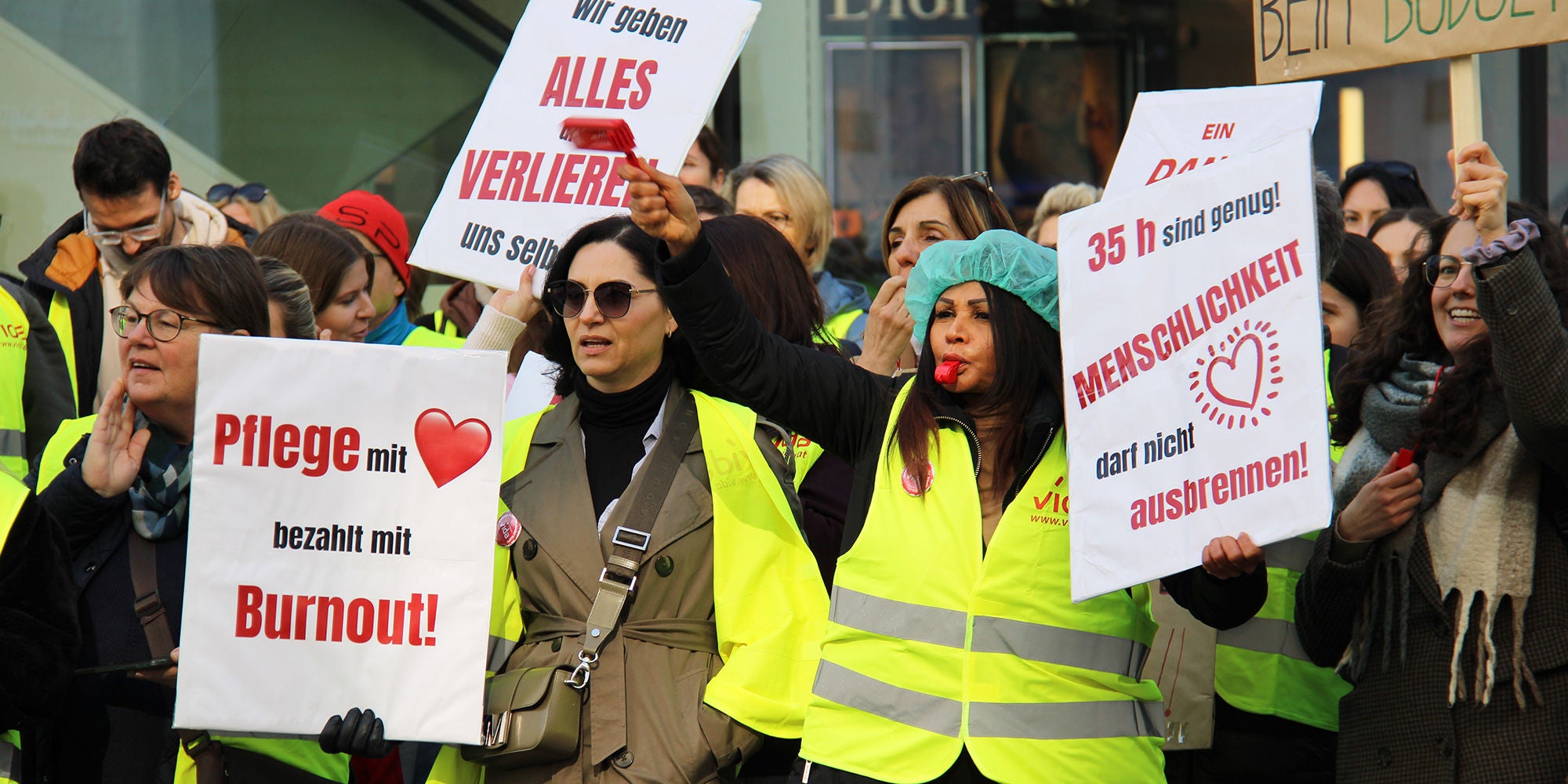
Employees ready for protests
The patience of the employees is exhausted. After 96 percent of the participants in works meetings have already spoken out in favor of union measures, works councils are now preparing concrete forms of protest.
"We want a fair share of the good results of this industry. No increases in profits at the expense of the employees," Steer clarifies. The next hearing is scheduled for January 12, 2026 . The main demands are: wage, salary and allowance increases above inflation, an additional week of vacation and paid breaks for all employees. If there is no serious offer again, further steps – up to and including strikes – are inevitable.