Inclusion instead of exclusion
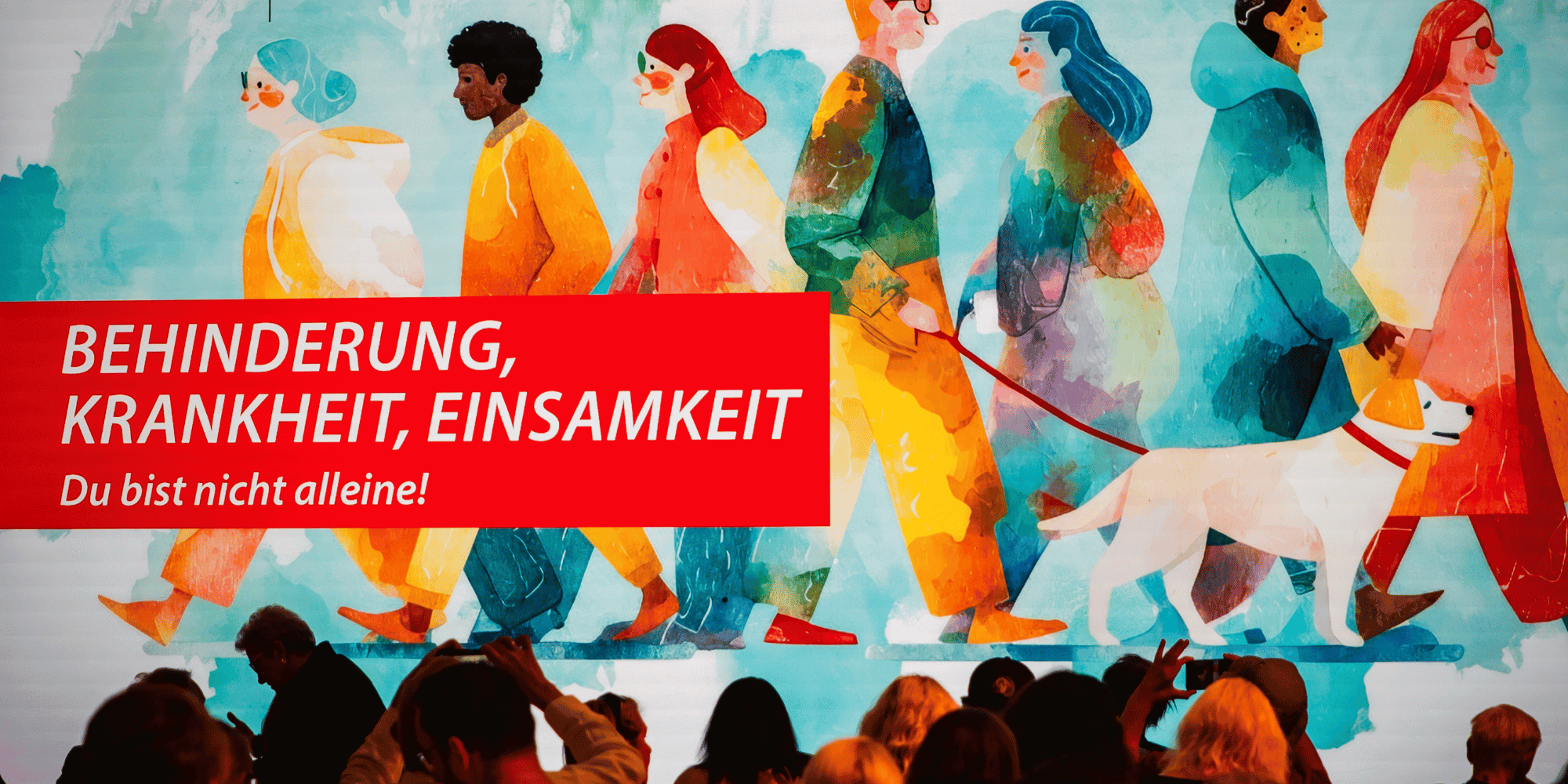
People with disabilities belong in the primary labour market!
European Dialogue
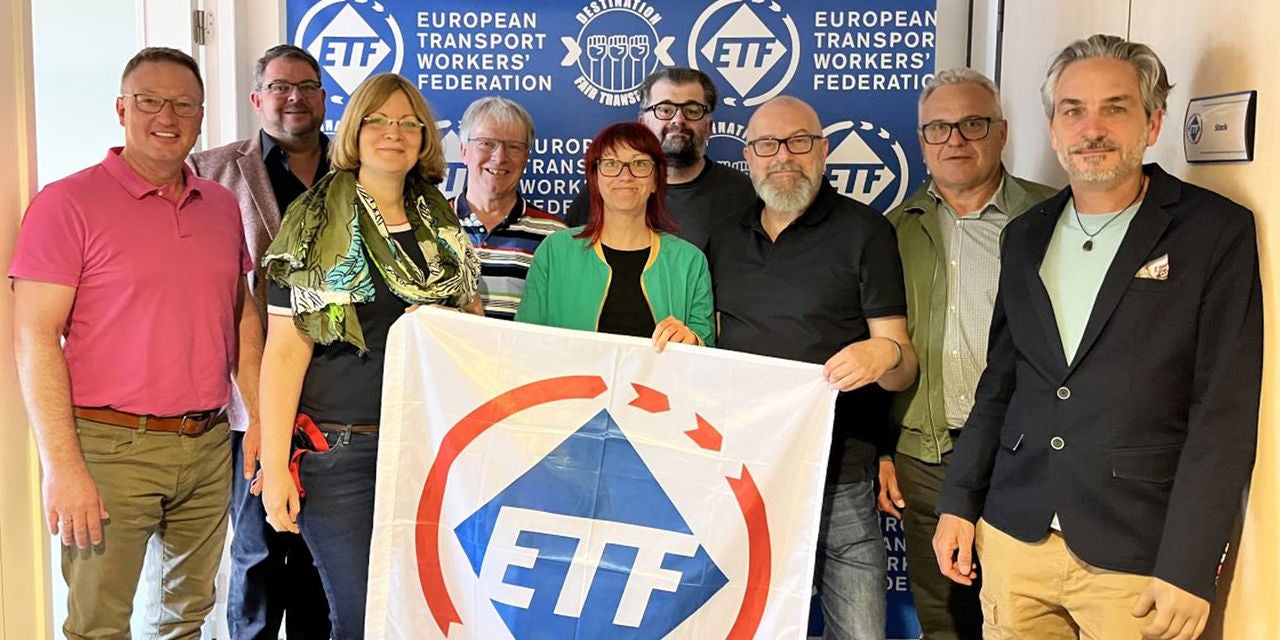
Almost half of people with disabilities in Europe do not have access to the labour market – not because they cannot or do not want to work, but because obstacles are systematically put in their way. This was the conclusion reached by representatives of the representatives of the severely disabled of ÖBB and DB, the trade unions vida, EVG and European trade unions at the networking meeting in Brussels from 18 to 20 May 2025.
Prejudices slow down participation
According to the latest report by the European Disability Forum, it is persistent social prejudices that exclude over 49% of people with disabilities from the labour market. Many employers still believe that people with disabilities are less productive, sick more often or generally less resilient. These assumptions are not only wrong, but also cost our society valuable potential – and that in times of a shortage of skilled workers.
"Many employers don't even know that accessibility in the workplace is subsidized by the state. Instead, they prefer to pay the compensatory levy. That's short-sighted."
Breaking down barriers instead of compensation payments
Companies circumvent the obligation to employ people with disabilities by paying the so-called compensatory levy. In Austria as well as in Germany, this is common practice - with fatal consequences. A barrier-free workplace would not only benefit people with disabilities, but also other employee groups.
Obstacles often also arise from unnecessary bureaucracy
Every employment of a person with a disability must be approved by the Integration Office. This deters many managers – a clear case of misguided regulation that prevents an inclusive world of work.
European exchange for more inclusion
In addition to vida, EVG and ÖBB, representatives of the European Disability Forum, the ETF and the British train drivers' union ASLEF were also present at the meeting in Brussels. Together with the Social Democrats Gabriele Bischoff and Evelyn Regner, central demands for more inclusion were formulated:
- binding European regulations on the employment of people with disabilities
- Reduction of bureaucracy and more transparency in support measures
- Inclusive education and training
- Longer training periods if necessary
- clearer responsibilities for inclusion advice in companies
- Artificial intelligence must not become a new barrier, but must be thought of inclusively!
Making neurodiversity visible
Special attention was paid to invisible disabilities – such as mental illnesses or autism spectrum disorders. These are often accompanied by additional discrimination because they are not immediately recognizable. Simon Weller from ASLEF, for example, reported that many people with color vision deficiency would like to become train drivers – but the standards often do not allow this. In the UK, work is therefore being done on a more inclusive rail infrastructure, e.g. through new signalling technology.
From the workshop to the company
To ensure that people with disabilities are not "temporarily parked" in special worlds such as workshops, concrete measures are needed for integration into the primary labour market. With its Inclusion Center, DB AG shows how it can be done: If an applicant with a disability is rejected, another suitable job is searched for internally. ÖBB is also focusing on active inclusion measures.
vida says clearly: A cultural change is needed
People with disabilities bring skills, experience and perspectives that enrich our businesses – whether in the railway, tourism, cleaning or social services. As the vida trade union, we therefore demand:
- Mandatory quota regulations that are also controlled and sanctioned
- Simplify subsidies, reduce bureaucracy
- Holding employers accountable to take accessibility seriously
- More visibility and education, especially about invisible restrictions
- Solidarity instead of exclusion!
Together for a fair future
If we take the shortage of skilled workers seriously, we cannot afford to do without people with disabilities. The exchange in Brussels has shown that trade unions are the strongest voice for inclusion.
vida will continue to fight for a fair, inclusive world of work at all levels – in Austria and in Europe.