Joint declaration on the central role of rail freight transport
In the framework of the sectoral social dialogue in the rail sector, the Community of European Railways and Infrastructure Companies (CER) and the European Transport Workers' Federation (ETF) have issued a joint statement in which they emphasise the central role of rail freight transport in Europe's transition to a sustainable and efficient transport system.
Rail freight
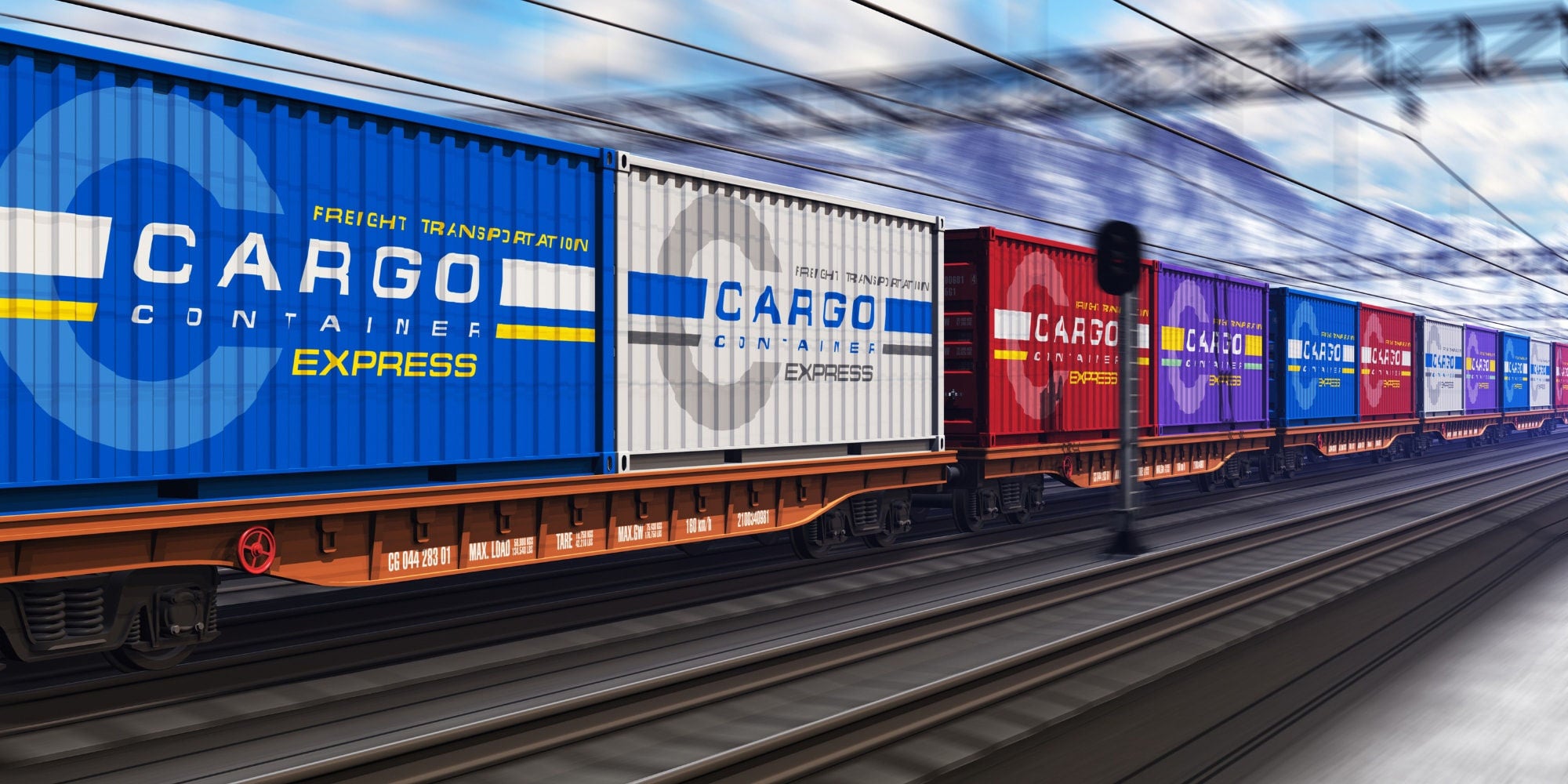
This declaration highlights the importance of focusing on key areas to ensure the future success and competitiveness of rail freight transport in the EU. It also stresses the need for decision-makers to improve the overall competition framework by implementing specific measures.
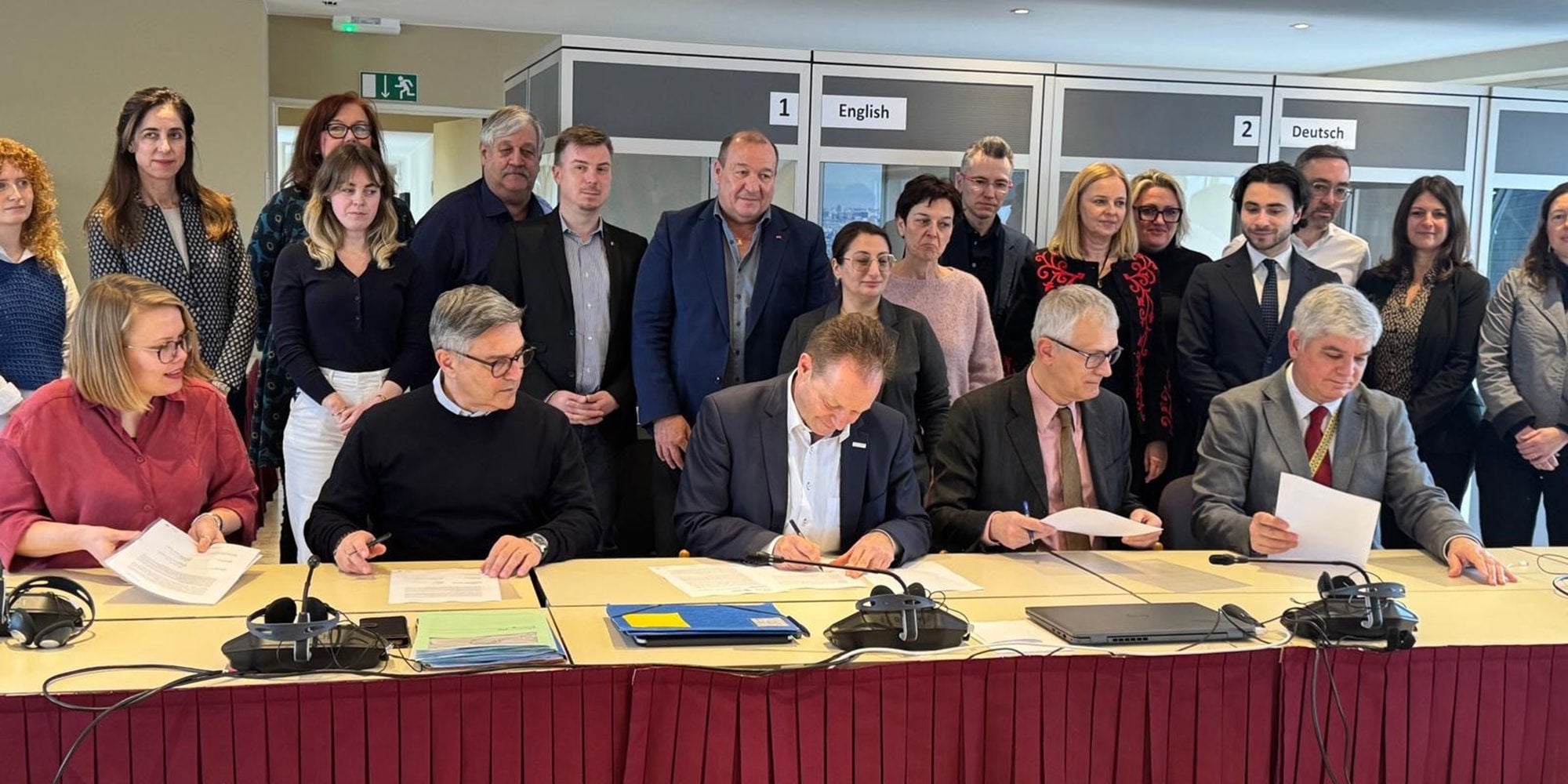
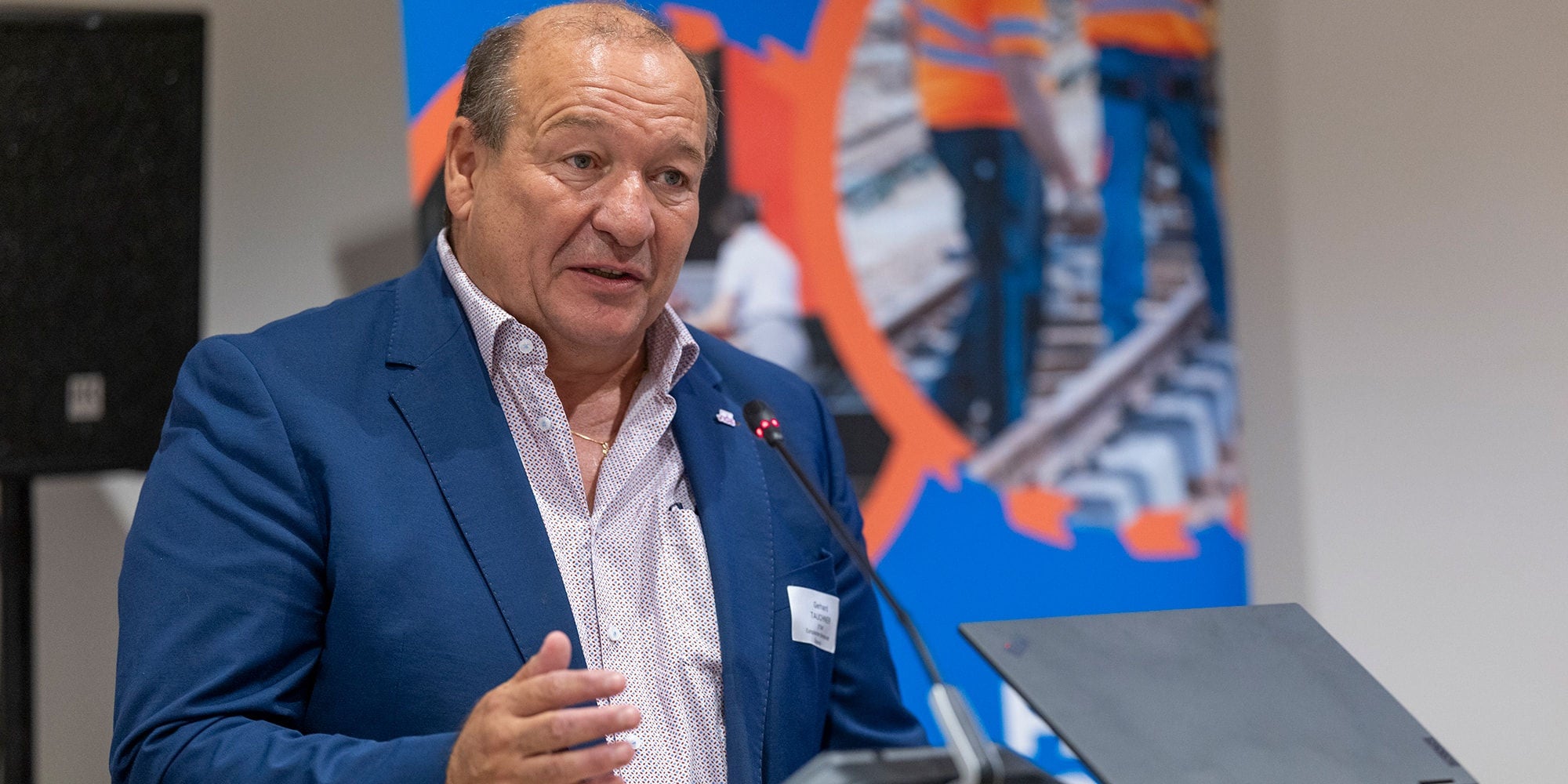
Joint signing of the declaration by CER and ETF.
"Rail workers are essential for successful rail freight transport. To achieve a real modal shift, we need fair working conditions, secure jobs and the participation of workers in shaping the future of the sector. Without skilled, well-supported workers, investments in infrastructure and technology will not be enough to meet Europe's climate and transport goals."
Ensuring a level playing field for all modes of transport
The social partners stress the urgent need for the EU to close long-standing regulatory gaps that put rail freight at a disadvantage compared to other modes of transport. Despite the environmental and efficiency benefits of rail, current policies do not create a level playing field, as road transport continues to dominate. A fair competitive environment requires the full implementation of key legislation, including the Eurovignette Directive and the Fit for 55 package, to ensure that prices reflect the real environmental and social costs of each mode of transport, according to the polluter-pays and user pays principle. Addressing these imbalances is essential to ensure rail competitiveness and achieve the EU's climate and sustainability goals.
Long-term investments in rail freight transport
Stable, long-term public funding at EU and Member State level is crucial for modernising rail freight transport and meeting future demand. Additional funds are needed for the modernisation, maintenance and expansion of infrastructure and the modernisation of the freight wagon fleet, with financial stability being the key to retaining a skilled workforce. Increased support under the Multiannual Financial Framework (MFF) and revenues from the Emissions Trading System for the decarbonisation of rail transport are essential.
Funding for single wagonloads and combined transport
Single wagonload (SWL) and combined transport (CT) are crucial for maintaining efficient and sustainable freight transport across Europe. However, both face major challenges due to market imbalances and a regulatory framework that does not sufficiently reflect their contribution to reducing external costs such as traffic congestion, greenhouse gas emissions, air pollution and accidents. Targeted financial support and adapted state aid rules are needed to maintain these essential services and help the EU achieve its long-term objectives in terms of sustainability, safety and energy efficiency.
Digitalisation for efficiency in the railway sector
Accelerating the deployment of digital technologies is crucial to improving the competitiveness, efficiency and safety of rail freight. Key digital innovations such as the European Rail Traffic Management System (ERTMS) and the Digital Automatic Coupling (DAC) have the potential to transform rail freight transport and improve capacity and interoperability across the EU. However, successful implementation requires coordinated investment and workforce involvement, including appropriate training and education. The adoption of these technologies must be accompanied by systemic planning to ensure cost efficiency, maximize societal benefits, and avoid disruption.
Strong cooperation in the railway sector
Greater cross-border cooperation and harmonisation in the field of rail capacity management, in addition to promoting competition, are crucial for the progress of the sector. The fragmentation of procedures and technical standards in the individual Member States continues to hamper the efficiency of rail freight transport. More consistent and streamlined capacity management practices across the EU are needed to support cross-border services, interoperability and a genuine European rail freight network that can support the EU's climate-neutrality and market integration objectives.