Together we can do it!
Minister of Labour and Social Affairs Korinna Schumann on the commitment to better working conditions, fair incomes and a strong welfare state.
Interview
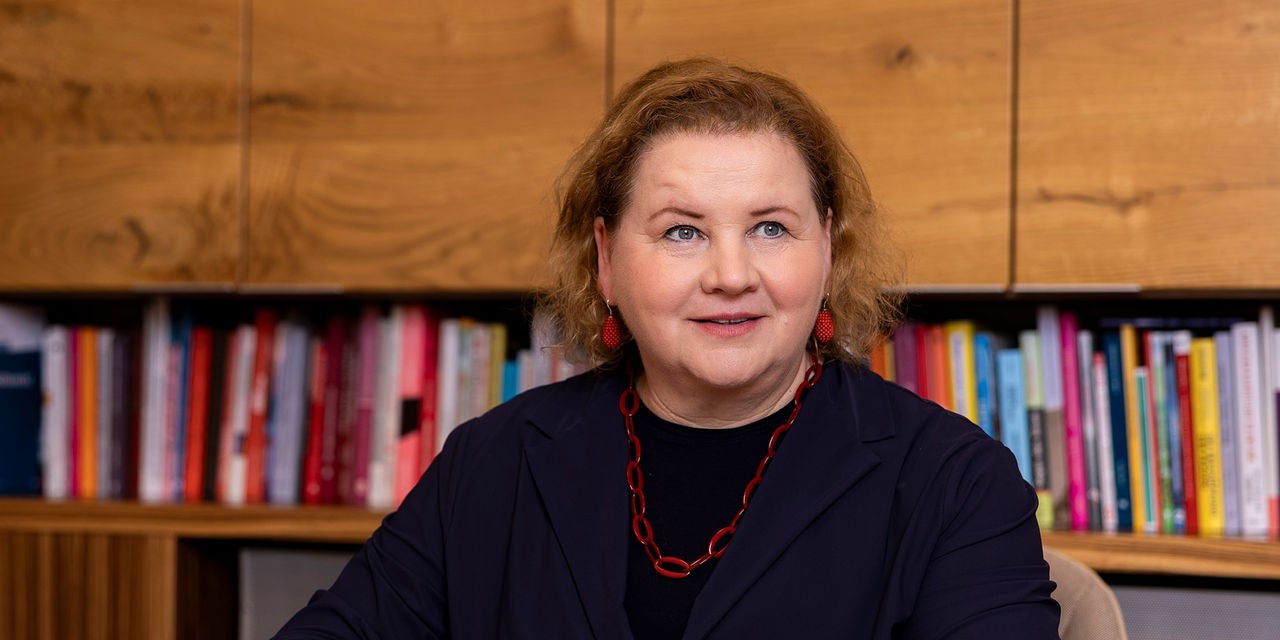
Trade unionist Korinna Schumann is the new Minister of Labour and Social Affairs. In the big interview, the passionate fighter for social justice talks about the commitment to better working conditions, fair incomes and a strong welfare state.
vida editorial team: Korinna, you were a staff representative, women's chairwoman and vice president of the ÖGB. What motivated you to stand up for workers' rights?
Korinna Schumann: Solidarity, cohesion and the will to stand up together for social justice – once this fire catches you, it won't let you go. This is exactly what is lived in the trade union movement. It has always been important to me that no one is left behind and that someone is on the side of the employees - even and especially for those who often do not have a strong voice.
vida editorial team: Coming from the trade union movement, how does that shape your approach to the new office?
Korinna Schumann: For me, this origin is not a label, but an attitude. In all my years as a trade unionist, I have seen so much about the conditions under which people work, they are exploited when wages are not enough or when older workers are suddenly labeled as "too expensive". This shapes my understanding of politics: social, down-to-earth and solution-oriented. The framework conditions must be designed in such a way that work is fair, healthy and valued
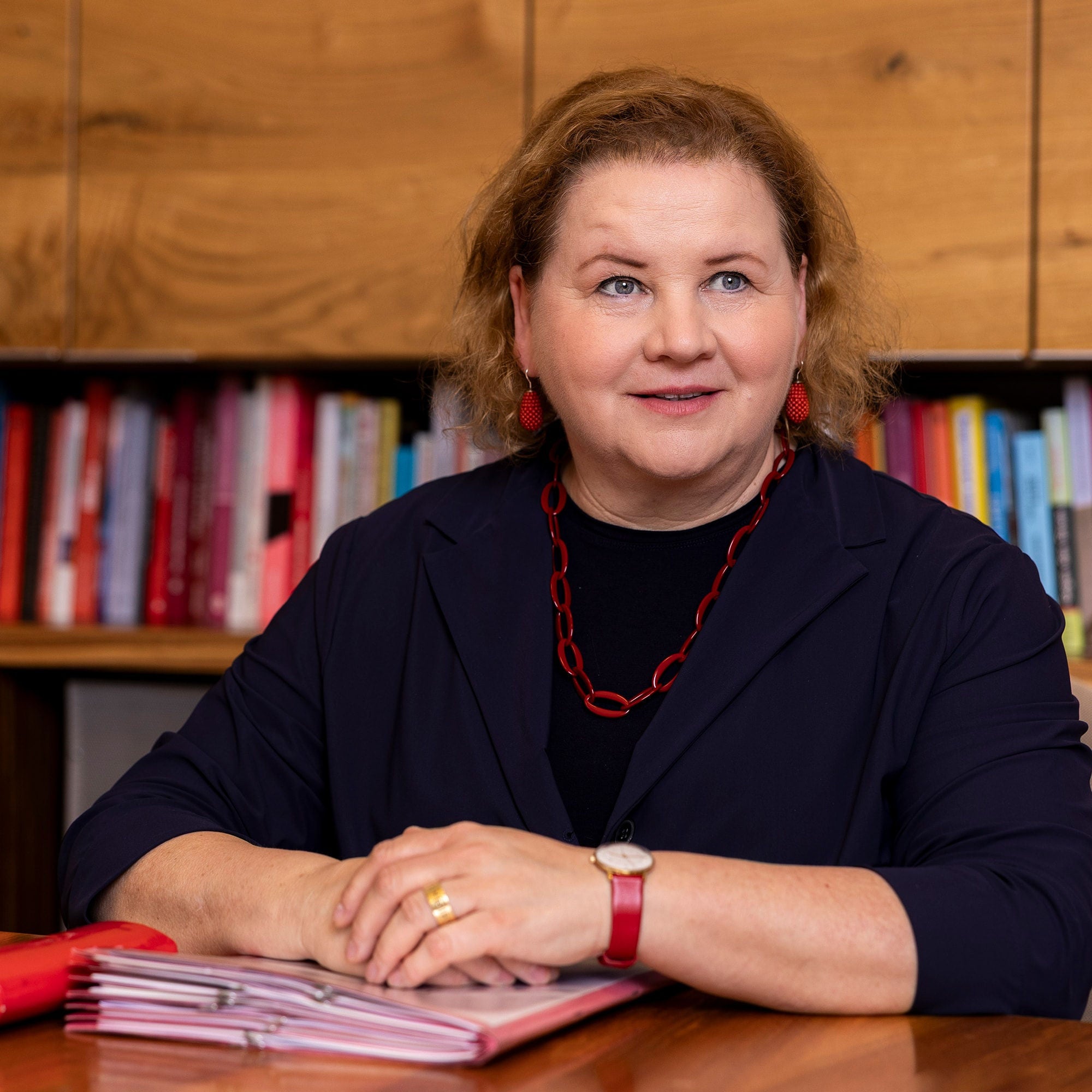
"The challenges are great, but with cohesion, courage and a strong welfare state, we can do it."
vida editorial team: What are your most important goals for your first year?
Korinna Schumann: A central goal is to get people back into employment or to keep them in employment. Programmes such as Aktion 55Plus show how important it is that no one is put on the sidelines because of their age. Another concern for me is nursing. Here we must not only improve working conditions, but also better support family caregivers. And thirdly, the strengthening of the welfare state, especially at a time when many people are under pressure from the rising cost of living.
vida editorial team: The nursing crisis is on the minds of many people. What are your plans to strengthen the nursing professions and relieve the burden on family caregivers?
Korinna Schumann: Nursing is one of the greatest challenges of the coming years. We must understand care as a social task – and that means: better pay, better working conditions and better training opportunities. At the same time, we must not forget those who care for relatives at home. That is why we are working on expanding support services – for example, in mobile care or in reconciling care and work.
vida editorial team: Care was classified as hard work. What does this mean for employees?
Korinna Schumann: Nursing is not only physically demanding, but also emotionally stressful. The recognition as hard work means that caregivers will be able to retire earlier in the future – a sign of respect and appreciation.
But we also want to improve working conditions and, for example, adjust staffing ratios, create more time for care and reduce bureaucracy. This also includes targeted training support and easier entry into the profession – for example through scholarships or part-time models. It is also important to expand psychosocial support to prevent burnout.
vida editorial team: Again and again, voices are raised calling for an increase in the retirement age. What is your answer to that?
Korinna Schumann: A higher retirement age is of no use if people cannot work that long – whether for health or structural reasons. It is much more important that we bring the de facto retirement age closer to the statutory one. This requires opportunities, security and suitable models such as partial retirement.
vida editorial team: The plan is for people to stay in employment longer. How is that supposed to work if many can't do it at all – or don't want to?
Korinna Schumann: The work situation is very stressful in many industries. That is why we are focusing on flexible transitions – for example with partial retirement and improved partial retirement. It's not about forcing people, but about giving them the opportunity to voluntarily stay active longer. This also means more health promotion at work and better working conditions.
vida editorial team: Despite high unemployment, employers are demanding relief for the import of workers from third countries. How is this supposed to be financed?
Korinna Schumann: We have to keep an eye on both: on the one hand, the integration of people who are already here and registered as unemployed, and on the other hand, the targeted influx into shortage occupations. It is important that immigration is made fair, qualified and humane – and that it does not mean wage dumping. This requires clear rules and control.
vida editorial team: Food delivery workers like Lieferando often only work as freelancers. Don't you see a market distortion here? And what is the government planning?
Korinna Schumann: Yes, this is a real problem. Such business models undermine fair working conditions and, above all, collective agreements. The irony is that those who have lost their jobs now will start again with a freelance service contract with their previous employer in the future. The government will take a close look at this. Our goal is to ensure fairness, prevent abuse and protect employees – for example, through minimum standards for pay, insurance and working hours. This is to be done by making it possible to record freelancers from collective agreements – a long overdue amendment to the law that will soon be launched.
vida editorial team: What would you like to give people – especially in times of uncertainty and change?
Korinna Schumann: You are not alone. The challenges are great, but with cohesion, courage and a strong welfare state, we can do it.
You can read the whole interview on