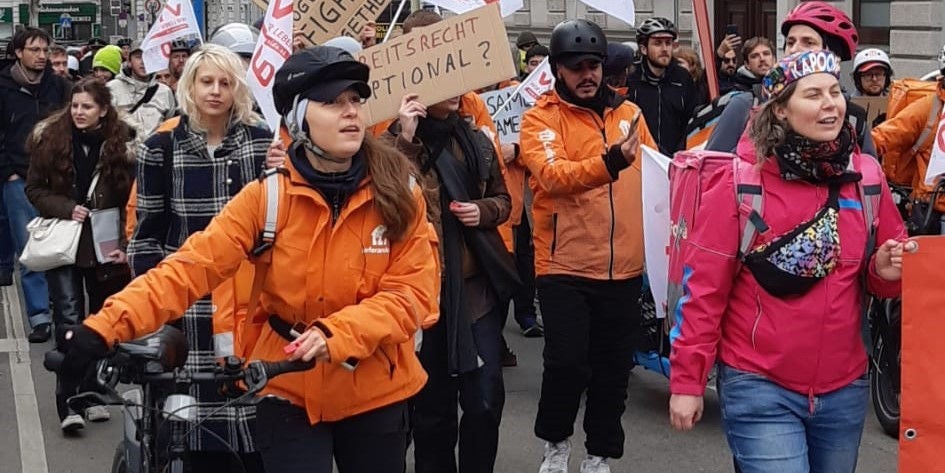
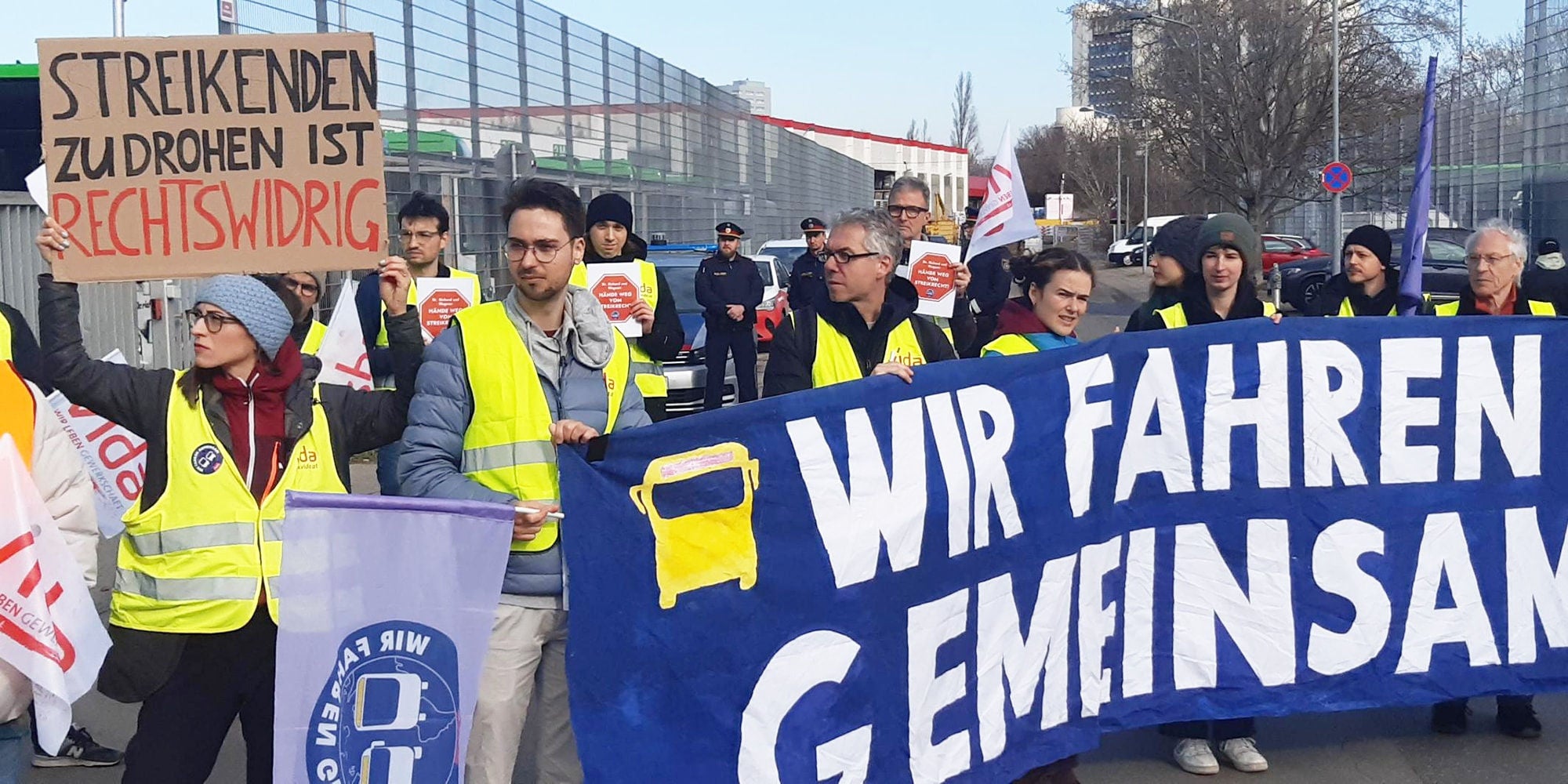
Bus study confirms: Bus drivers are at the limit
Riding the bus is fun, but the framework conditions for this work are not right. A new study says: In many cases, drivers work at the limit of their load and beyond.
Bus drivers
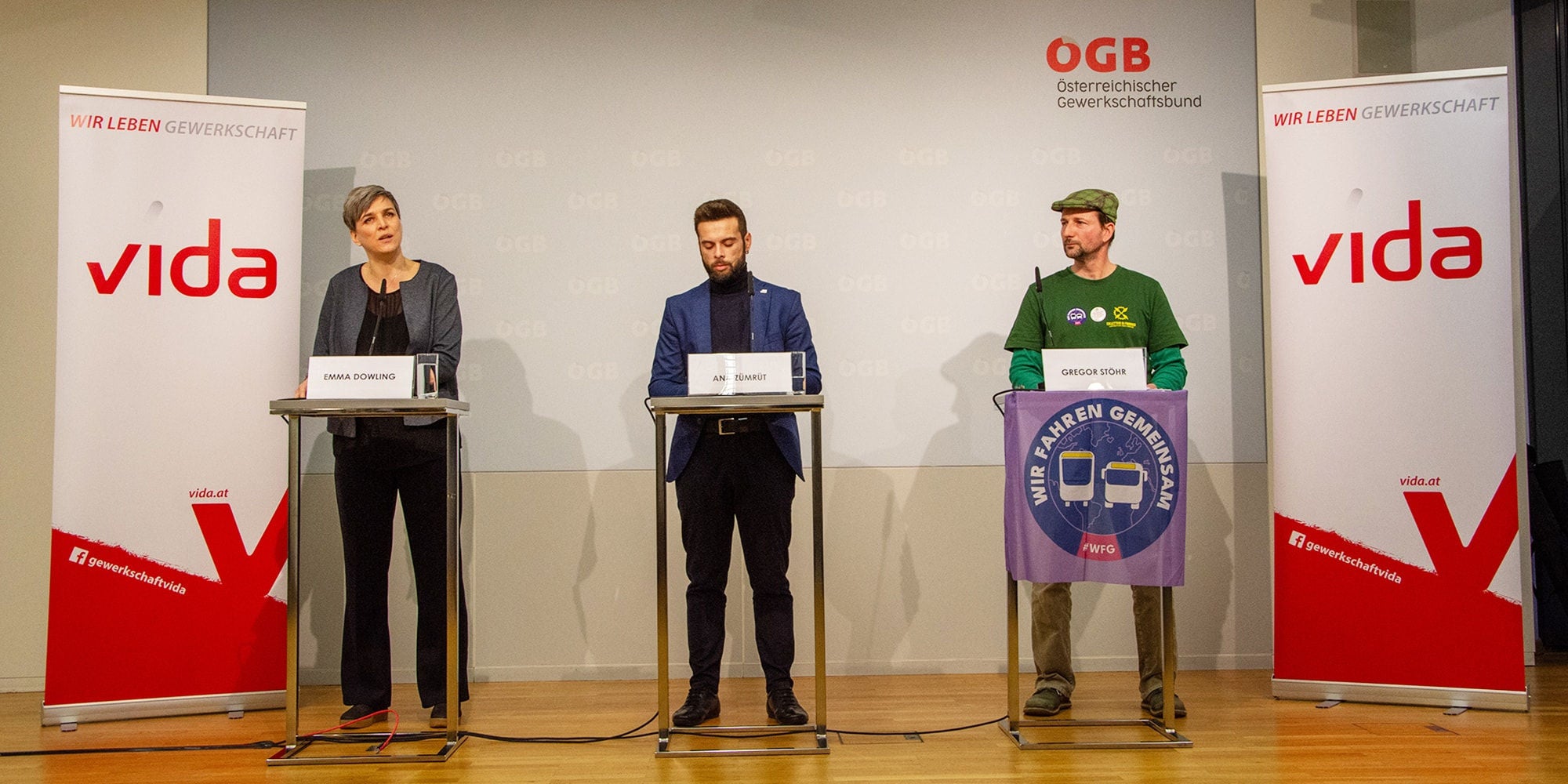
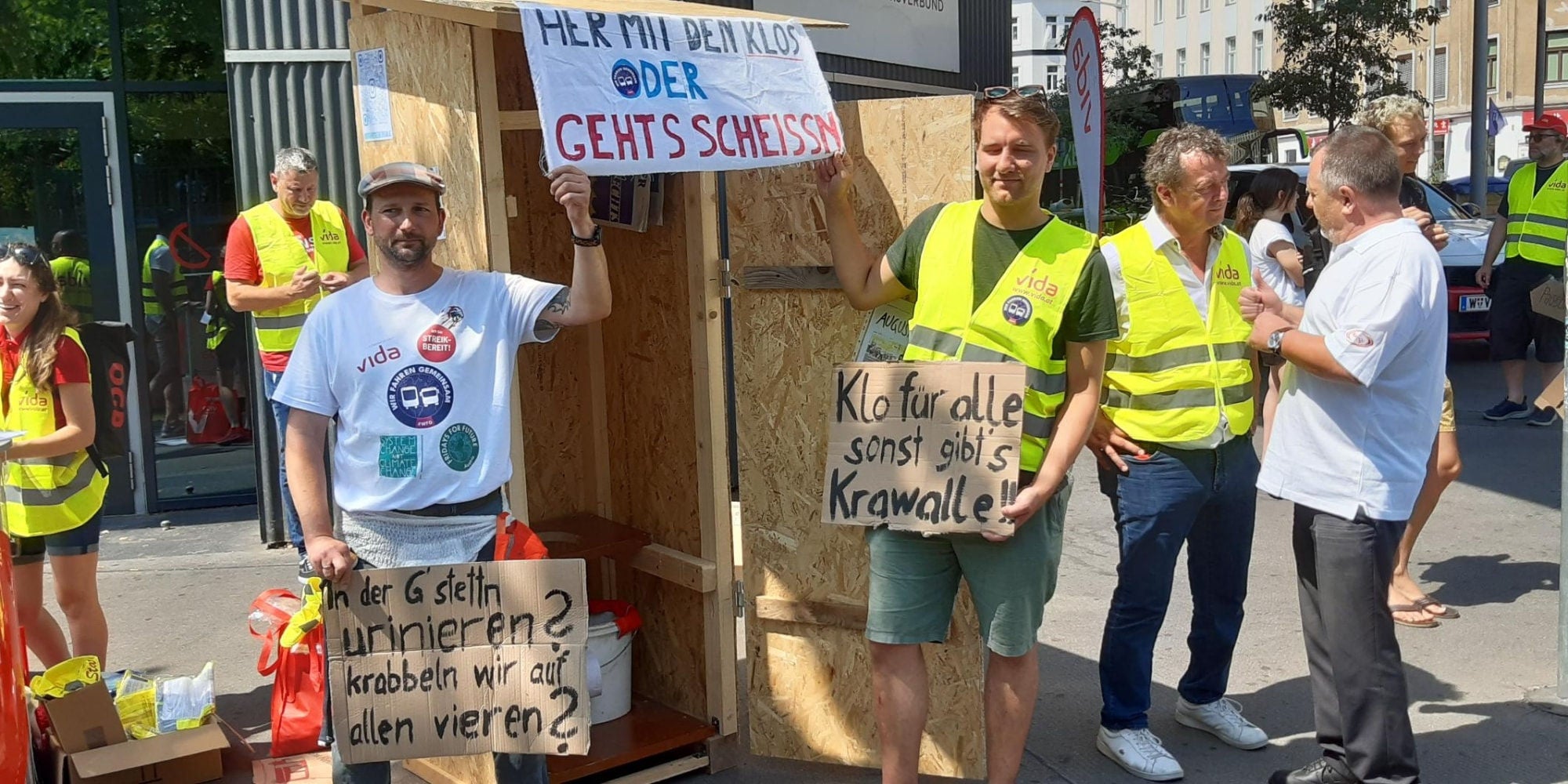
Great responsibility, stress and health burden - these are the most important aspects that best describe the profession of bus driving. This was discovered by a research team from the University of Vienna in cooperation with the Vienna Chamber of Labour (AK). Their current study on the topic of "Bus drivers at the limit: Possibilities of job attractiveness from the point of view of employees in the private bus industry in Austria" clearly expresses that working conditions for drivers must be improved. The study was presented on Thursday by study author Emma Dowling and the alliance "We drive together" (trade union vida, AK Vienna, bus drivers, Fridays For Future and System Change, not Climate Change!).
Background to the survey
The study "Bus drivers at the limit" examines the current working conditions and employment relationships in private bus services in Austria. It shows where and what changes in working conditions are necessary to make the profession of bus driver more attractive. This is necessary to retain existing workers and attract new ones to the industry, which is suffering from staff shortages. Emma Dowling, author of the study and Associate Professor of Sociology at the University of Vienna, emphasizes: "It is now up to the social partners to reach an agreement in the collective bargaining negotiations regarding a better working environment for drivers if they want to ensure sufficient employee benefits for the future.

Bus drivers at the limit
"Wir-Fahren-Gemeinsam" and the University of Vienna present a study on the need to make jobs more attractive in the private bus industry.
The focus is on employees who are covered by the collective agreement for private bus companies (around 12,000), for which the trade union vida is responsible. Qualitative interviews with 22 drivers, as well as a quantitative online survey in which over 600 drivers across Austria took part provided information about their needs.
Time pressure and staff shortage
In both the interviews and the survey, drivers address the unsatisfactory framework conditions of their work. They talk about tightly timed schedules, increased traffic volumes and staff shortages. This is also noticeable in the overtime hours to be worked: according to the study, a third of bus drivers work overtime "almost every day". In the context of this intensification of work, 81 percent of respondents expect that it will be difficult to find new employees in this area in the future. Anil Zümrüt is a bus driver and leads the negotiations on the collective agreement (KV) for employees in private bus companies. He confirms the results of the study: "As bus drivers, we are responsible for ensuring that thousands of people reach their destination safely every day. We are tired and exhausted from the flood of overtime due to the lack of drivers and duty shifts of up to 15 hours."
Little predictability and difficult compatibility
The fact that drivers often work on Sundays and public holidays, as well as at night, in combination with frequent stand-ins for colleagues and sometimes short-term duty rosters, leads to difficulties. Above all, this makes it more difficult to reconcile work with friends, family, hobbies, etc.: 91.2 percent (question "What don't you have enough time for?") are massively affected by this. There is a 70.5 percent lack of time for the partnership, 35.5 percent for childcare.
Unpaid breaks
Many drivers are satisfied with their basic salary – the starting salary is 2,773 euros gross per month – but they criticise the fact that parts of the daily breaks are unpaid. 93 percent of the drivers surveyed say that it would be "very important" or "important" for making the profession more attractive that all breaks are paid. After all, breaks are important for concentrated and safe driving. Currently, the collective agreement stipulates that the "daily unpaid rest break" may not exceed one and a half hours.
Night and Sunday work
More than three-quarters of respondents (76 percent) say they work on public holidays or Sundays. However, they do not receive a Sunday allowance for this. In addition, the drivers of the study complain that night bonuses are only paid in the period from 0 to 5 a.m., although many drivers also work night duty before zero o'clock. There is therefore a clear desire for higher night and Sunday surcharge regulations. "Do I have to stand in at short notice for a colleague on night duty or on Sundays, for which I don't even get an allowance? Does that mean I have to throw planned things with family and children overboard again?" asks bus driver Gregor Stöhr, making the problem clear.
Salary progression inadequate
The wages of the drivers hardly develop upwards even with many years of professional experience. For example, after ten years with the same company, there is an increase in the gross monthly wage of only around 20 euros, after twenty years by about 40 euros. In the survey, 95 percent of drivers therefore cite as an important point that professional experience should be recognized with better pay.
Break rooms and sanitary facilities are missing
Bus drivers appreciate break rooms as a place to relax and contact colleagues. However, many of the respondents emphasize that they either have no access to break rooms at all or that such access is rare. Similar problems arise with regard to sanitary facilities. Access to a toilet often depends on the location of the break, is subject to a fee or is not even available. Female drivers in particular find this unacceptable. Drivers would like to see specially equipped sanitary facilities at junctions. Study author Dowling says: "It should be urgently clarified whether bus companies or transport associations are responsible for providing infrastructure such as break rooms and toilets; Improvements to the situation are overdue at this point.
Current collective bargaining negotiations
With regard to current negotiations, collective bargaining negotiator Zümrüt explains: "Almost all the problems mentioned in the study could be solved and codified immediately by the social partners". The vida negotiating team has submitted its demands to the Austrian Federal Economic Chamber in the first round of collective bargaining. Apart from wage increases, they are demanding binding commitments to improve the framework conditions in the bus sector.
Good working conditions also promote climate protection
Gregor Stöhr, a bus driver and climate activist, concludes by pointing out the aspect of sustainability. According to Statistics Austria, private transport on the road currently accounts for 11 percent of total energy consumption in Austria. A further expansion of public transport is therefore urgently needed. Especially in the countryside, where bus drivers of private bus companies mainly drive. "We bus drivers support the expansion of public transport and that is why the climate activists of Fridays for Future and System Change not Climate Change! Clearly, the fight for better working conditions in public transport and climate protection go hand in hand," said Stöhr.