When a toilet becomes a luxury - professional leaders demand respect
On the occasion of International World Toilet Day on November 19, the trade union vida makes it unmistakably clear: Austria is literally leaving its bus and truck drivers out in the rain.
World Toilet Day
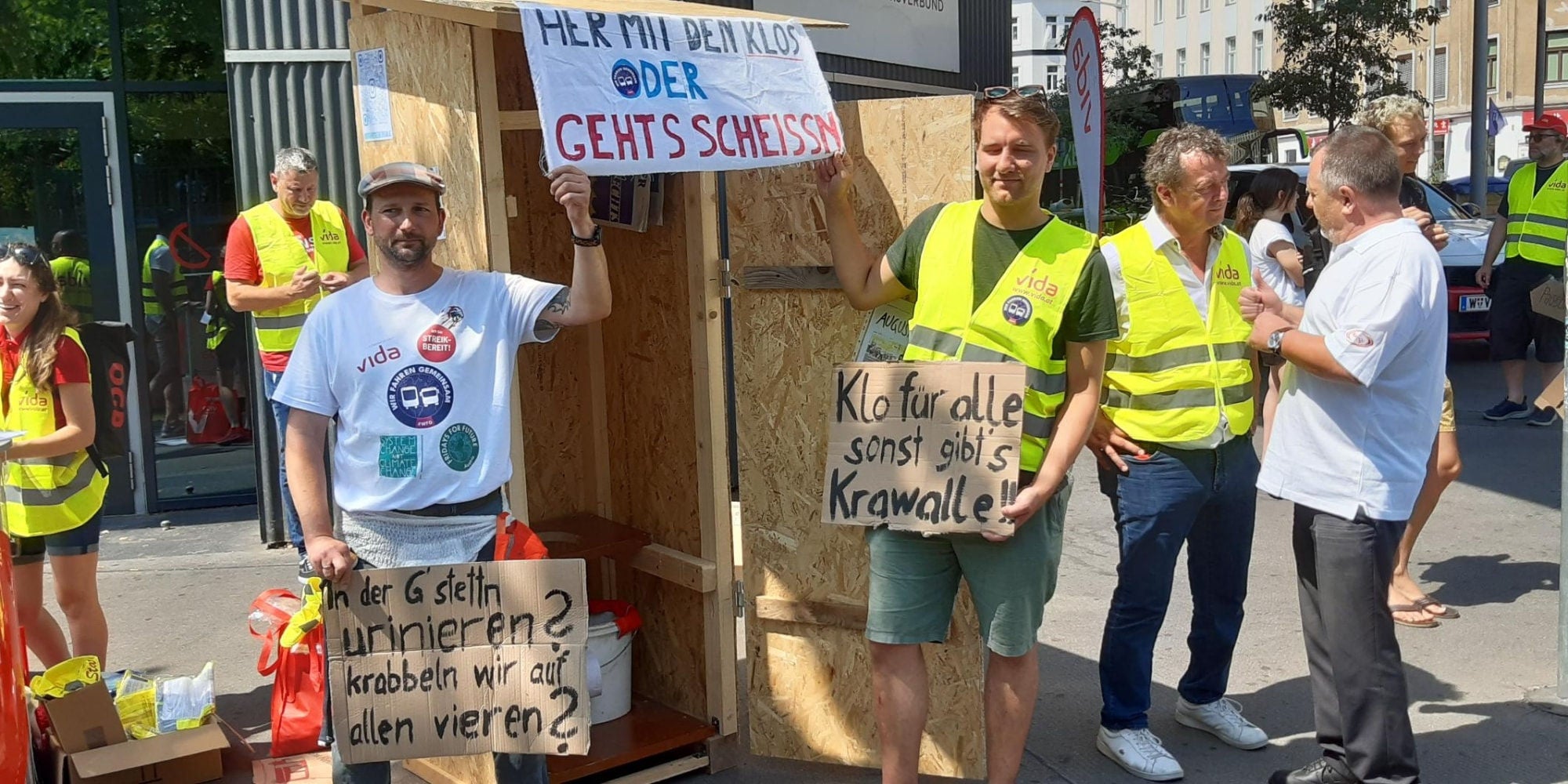
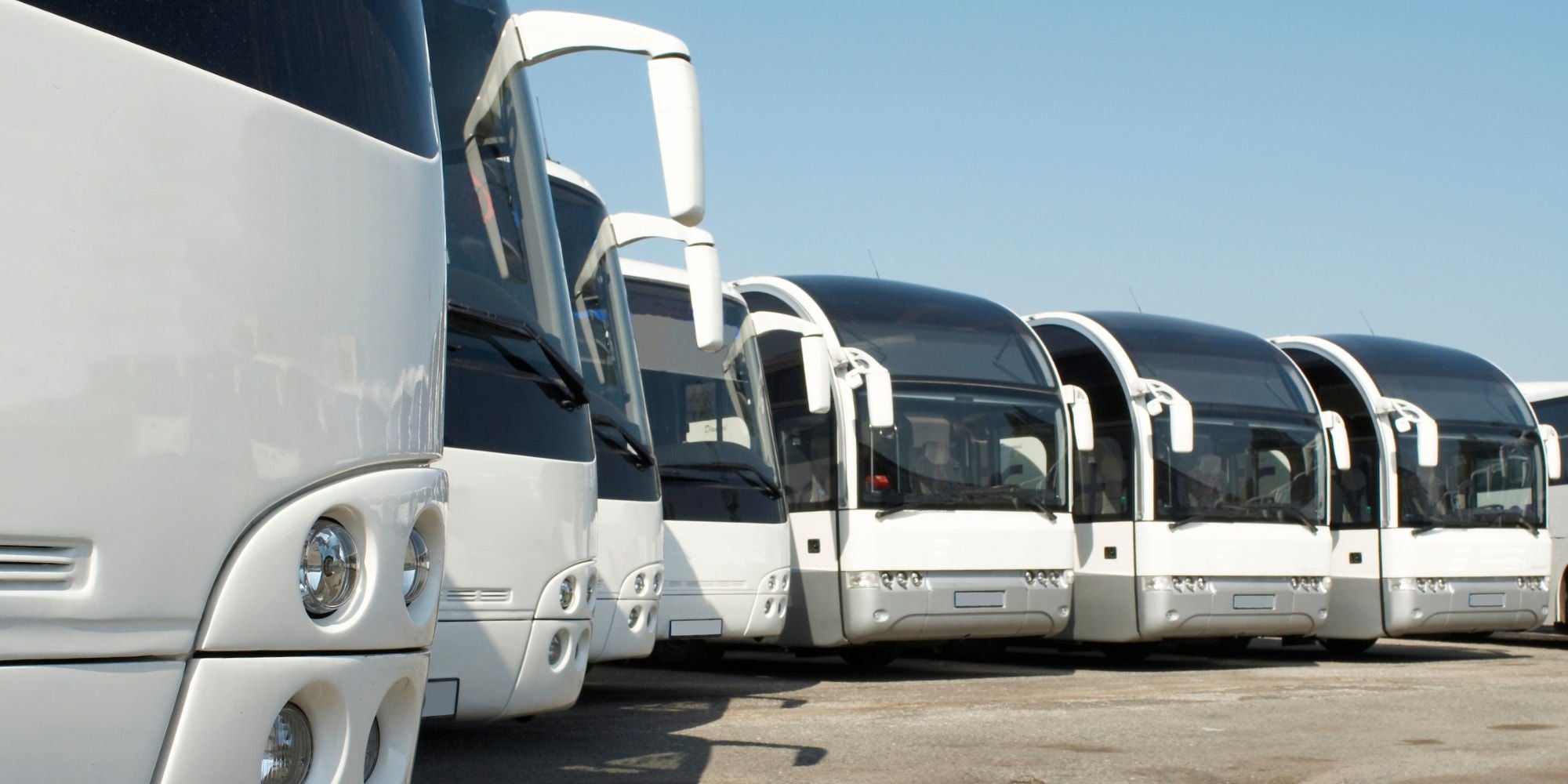
Despite decades of criticism, there are still far too few toilets and washing facilities along bus lines, at final stops and on motorways. A grievance that has long since become a daily burden for thousands of employees - and which vida once again strongly condemns.
"This injustice stinks to high heaven" – professional leaders left in the lurch

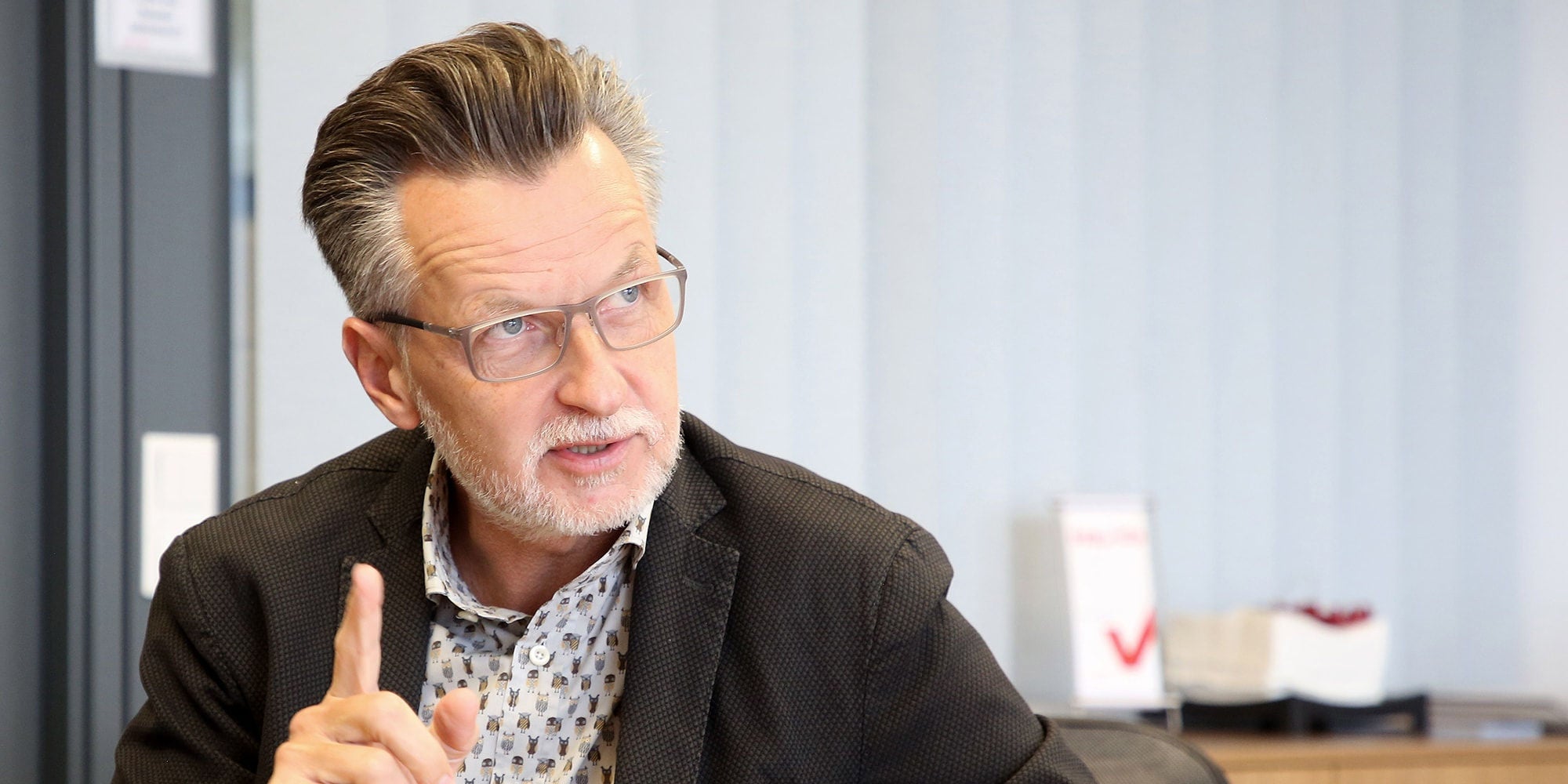
"This injustice stinks to high heaven. The 'path to the countryside' as an alternative is not reasonable for either the employees or the residents - and in an emergency will even be punished with high penalties."Vorsitzender vida-Fachbereich Straße
Urinating in public is considered an administrative offence and can cost several hundred to several thousand euros, depending on the federal state. For employees who simply do not find any sanitary infrastructure, this is not only absurd, but degrading.
Lack of hygiene is a health and labour law problem
If you can't find a toilet, you won't find running water. Hand washing? Nothing. This pushes bus and truck drivers into a working day that does not even meet the most basic hygienic standards. Petritsch puts it in a nutshell: In 2025, Austria must manage to respect the basic needs of employees for professional reasons. Transport associations must finally include binding minimum standards in their tenders for bus routes – including sanitary infrastructure for those that bring thousands of people safely to their destinations every day.
Navigable routes instead of unrealistic timetables
A particularly acute problem affects bus drivers: tightly timed timetables. Two or three minutes late can be enough for employees to have no chance of reaching a toilet before the next round starts.
vida is therefore calling for more so-called "drivable courses":
- realistic timetables
- Sufficient break time at start and end stops
- Access to public toilets or pubs nearby.
What sounds simple often fails in practice due to purely financial or organizational convenience on the part of the client.
Truck drivers need more than parking spaces – they need infrastructure
There is also a massive lack of free social infrastructure on motorways. Toilets, showers and washrooms are not luxury for truck drivers, but central prerequisites for dignified working conditions. The trade union vida sees ASFINAG in particular as having a duty here. It must significantly expand and orient rest areas in order to make the profession more attractive again - not least because the shortage of drivers has long been a structural problem.
Conclusion: Standards worthy of the name are needed
World Toilet Day reminds us that basic sanitation is not a "nice-to-have", but a human right – also and especially for those who ensure Austria's mobility every day.
The trade union vida therefore demands:
- Binding minimum standards in bus tenders
- Realistic timetables and break times
- Toilet and hygiene infrastructure at all motorway rest areas
- Respect for those who do systemically important work
As long as visits to the toilet become a stress factor for professional drivers, World Toilet Day will remain a reminder of a working reality that urgently needs to be improved.