Lieferando overturns permanent positions
Precarious platform work is becoming the norm - who protects the riders?
Bicycle messengers
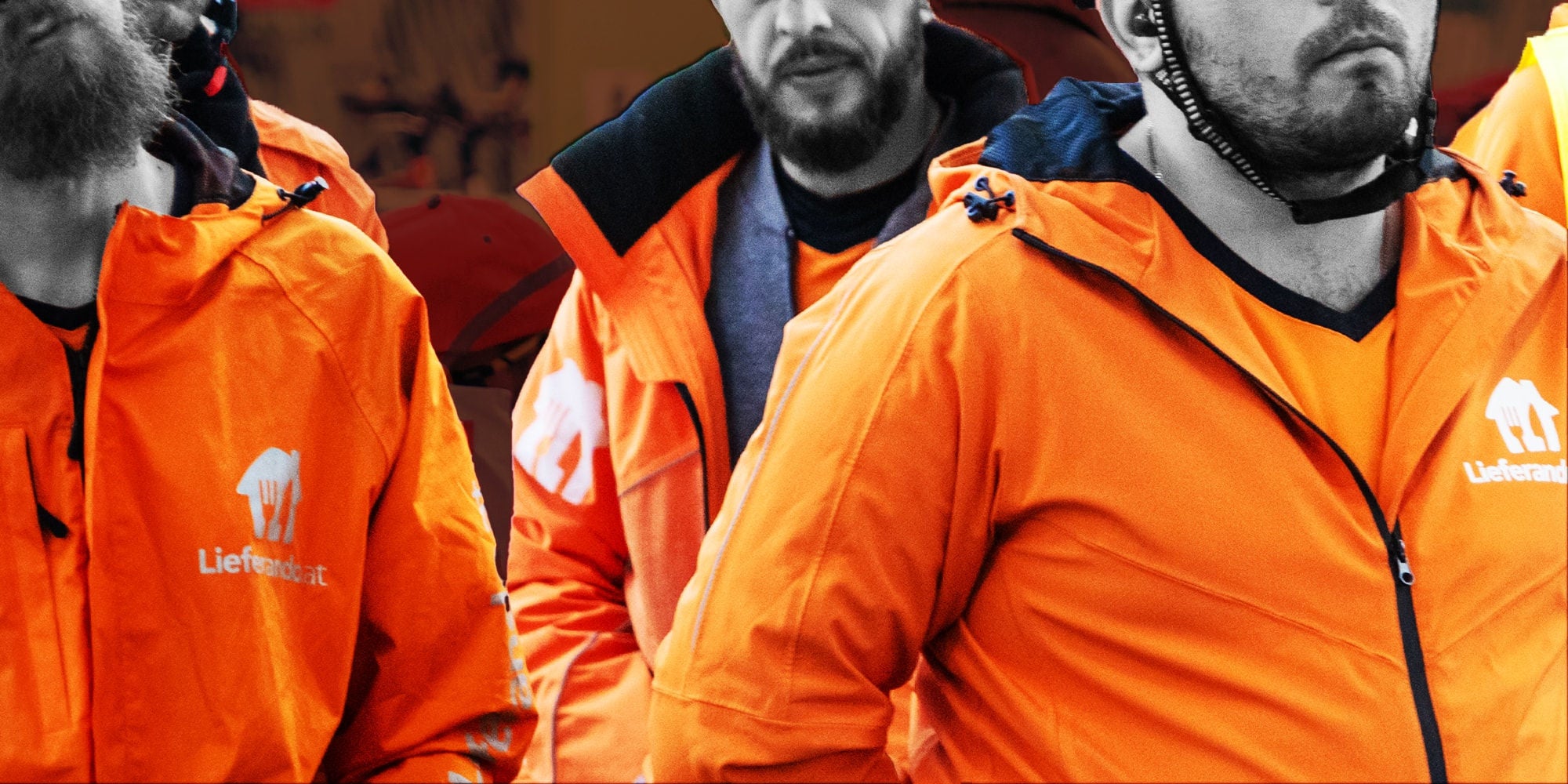
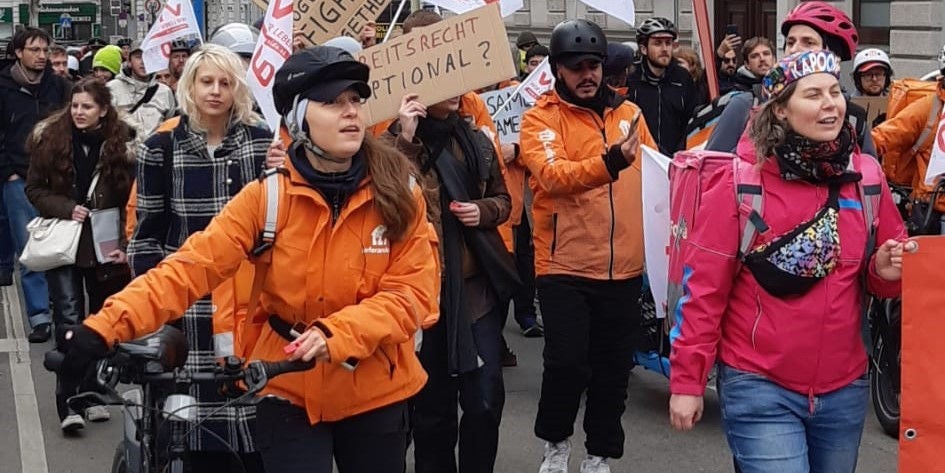
By the end of July 2025 at the latest, Lieferando plans to terminate around 1,000 of its employed drivers and switch to freelance service contracts. This approach ends the previous model of the company, which was one of the few in Austria to employ its food delivery staff in regular employment.
Failures of the last federal government
Despite concrete proposals for legal changes, the ÖVP blocked initiatives to secure socially acceptable employment relationships in the last government. As a result, providers with fair employment models are now coming under pressure. Companies that pass on risks to their drivers and employ them as self-employed or freelance contractors benefit financially, while the economy and employees suffer.
Demand for regulation for platform workers
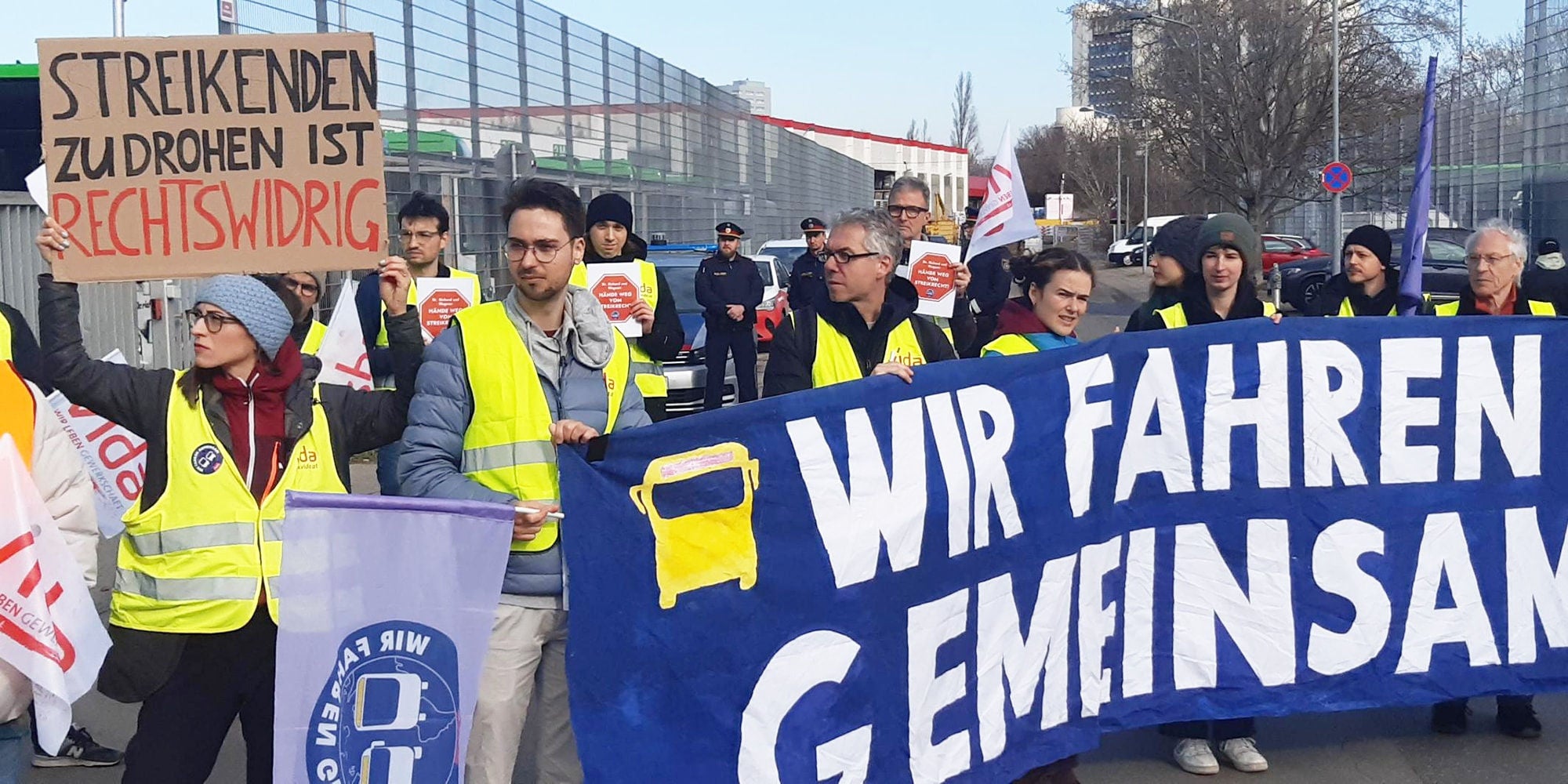
For years, the trade union vida has been emphasizing the need to abolish freelance employment relationships, which are widespread in the growing platform sector. International corporations use them to deliberately circumvent labor standards in order to pass on risks such as poor order books or illness to employees and thus maximize their own profits. Freelancers and self-employed drivers are at the mercy of this procedure.
Increase in precarious employment
"Due to the anti-social approach of the previous government, the number of bogus self-employed and freelancers will increase drastically," warns Markus Petritsch, chairman of the vida road department. At least a social plan can be drawn up for the terminated Lieferando employees, but the future freelancers or self-employed have no social security. "Politicians have put the protection of platform workers on the back burner," Petritsch criticizes. The new federal government is now called upon to take measures to protect these groups of employees.
Lieferando as a former model student
Lieferando has long presented itself as a model in the industry, as the company hired a large part of its employees. In August 2024, it offered a voluntary wage increase of 7.8 percent after collective bargaining negotiations with the Chamber of Commerce stalled. Nevertheless, the gross wage of a rider remains low at around 1,860 euros for a 40-hour week.
Conclusion: Finally make platform work fair!
Lieferando's switch to freelance contracts is another example of how unregulated platform work undermines existing labor rights. Instead of strengthening a model with social security, employees are pushed into precarious jobs – without sick leave, paid vacation or labor security.
Politicians must no longer stand by and watch as international corporations shake off responsibility through clever contract constructions. Austria urgently needs clear legal regulations for platform workers that ensure the same rights as traditional employees. This also includes the abolition of freelance employment relationships in this area, as the trade union vida has been demanding for years. If platform work is the future, then it must be made fair – for everyone, not just for corporations.