KV Private Bus Companies: Negotiations and possible warning strike
Employers rely on the red-white-red card instead of better working conditions. The collective agreement negotiations for bus drivers will continue on 17.02. If employers do not offer noticeable improvements, the first industrial action is threatened.
Bus drivers
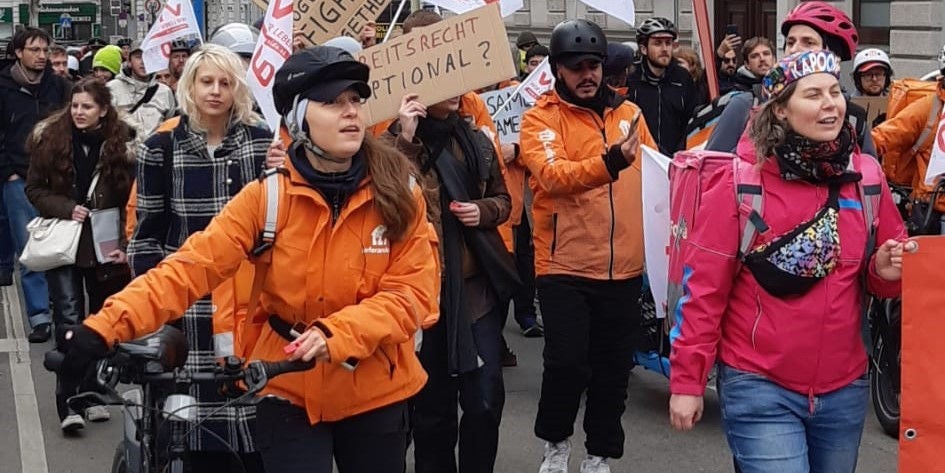
The collective bargaining negotiations for the 12,000 employees of private bus companies throughout Austria are stalling. After the third round of negotiations on 29.01.2025 , an offer from the employers was on the table that balanced minimal improvements on the one hand with massive deteriorations on the other. In Austria-wide works meetings and online events, the bus drivers discussed this offer. The tenor of this is clear: Not sufficient. Put.
Collective bargaining date on February 17 and possible warning strike on February 20
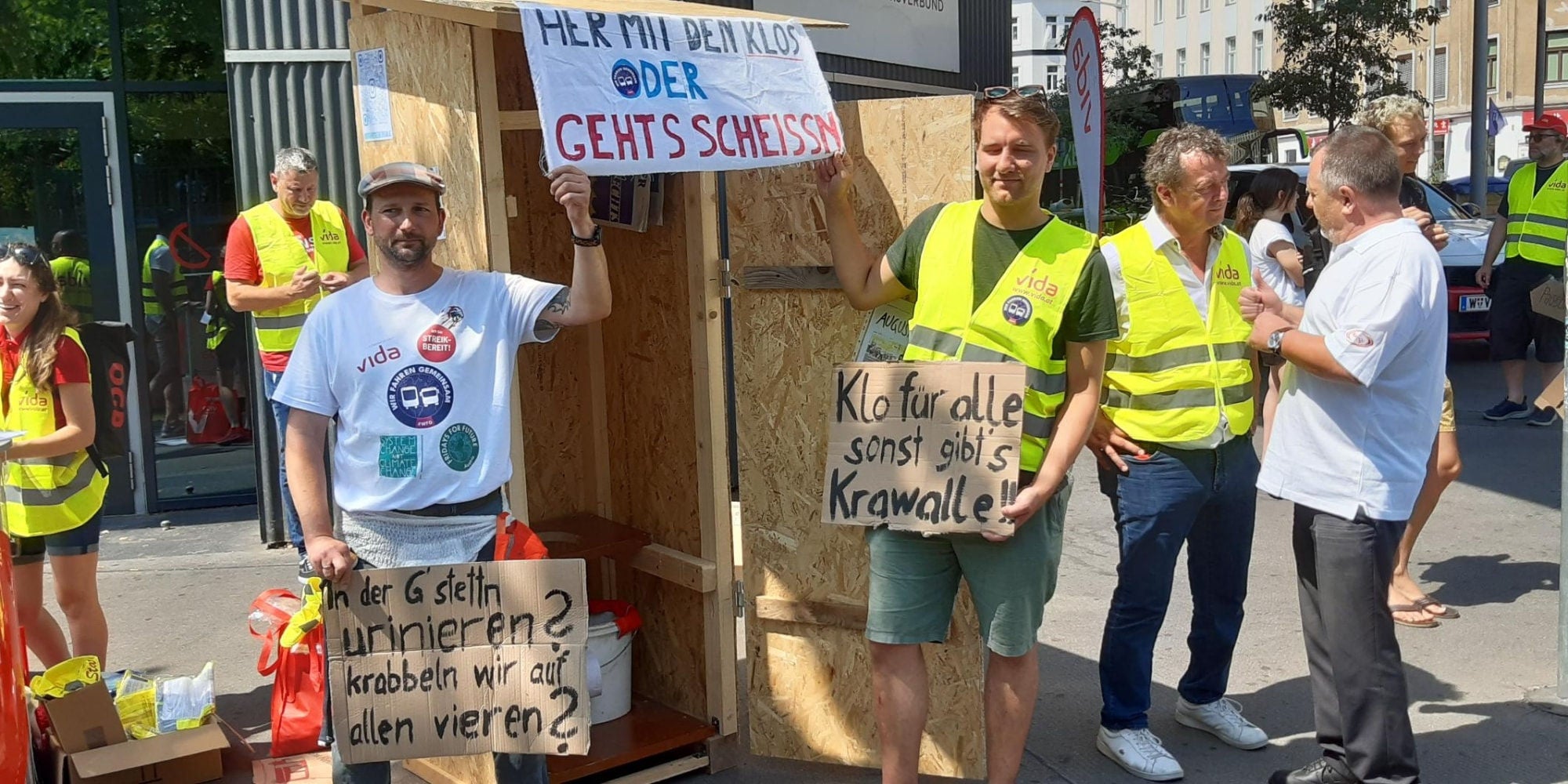
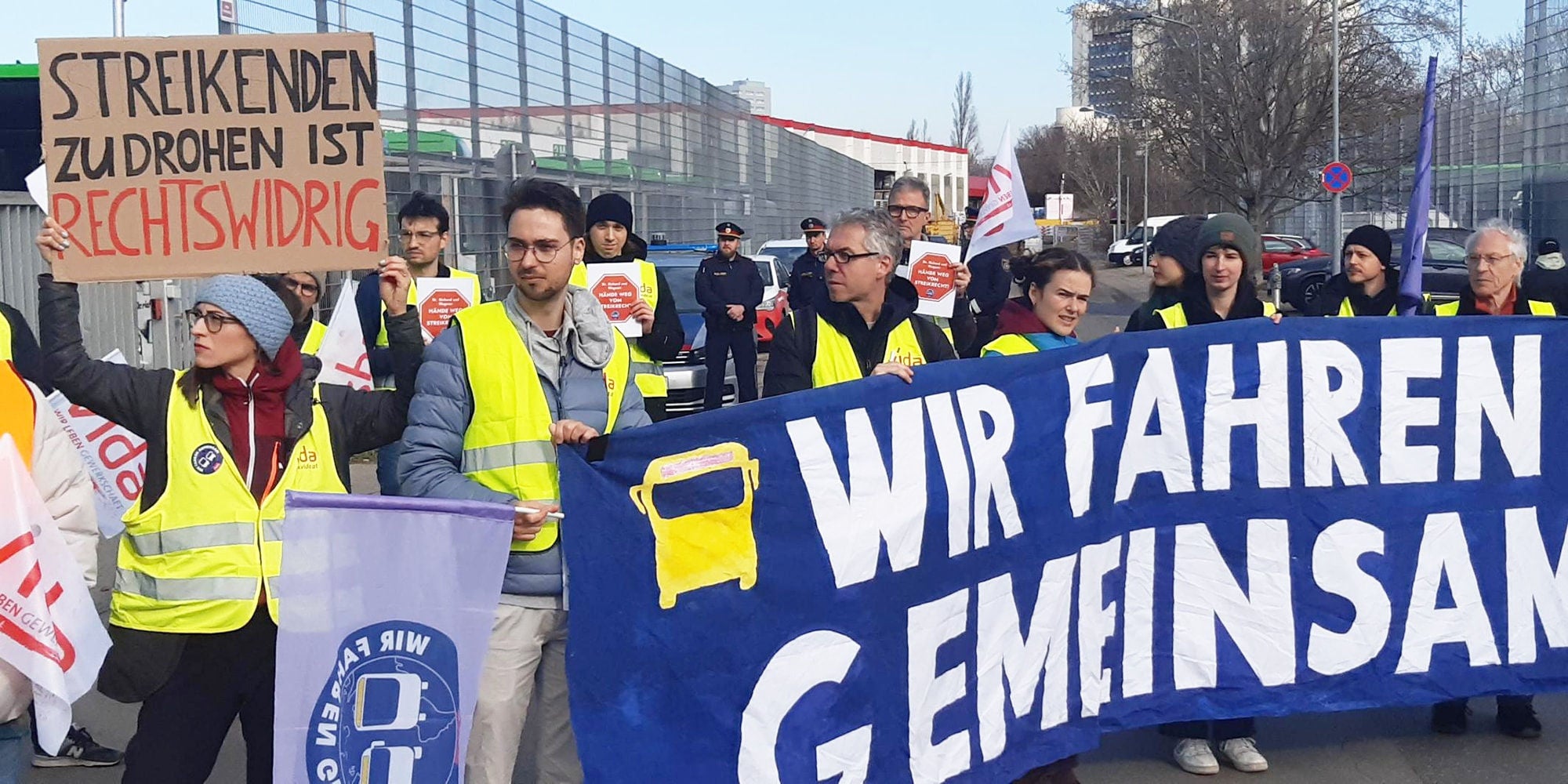
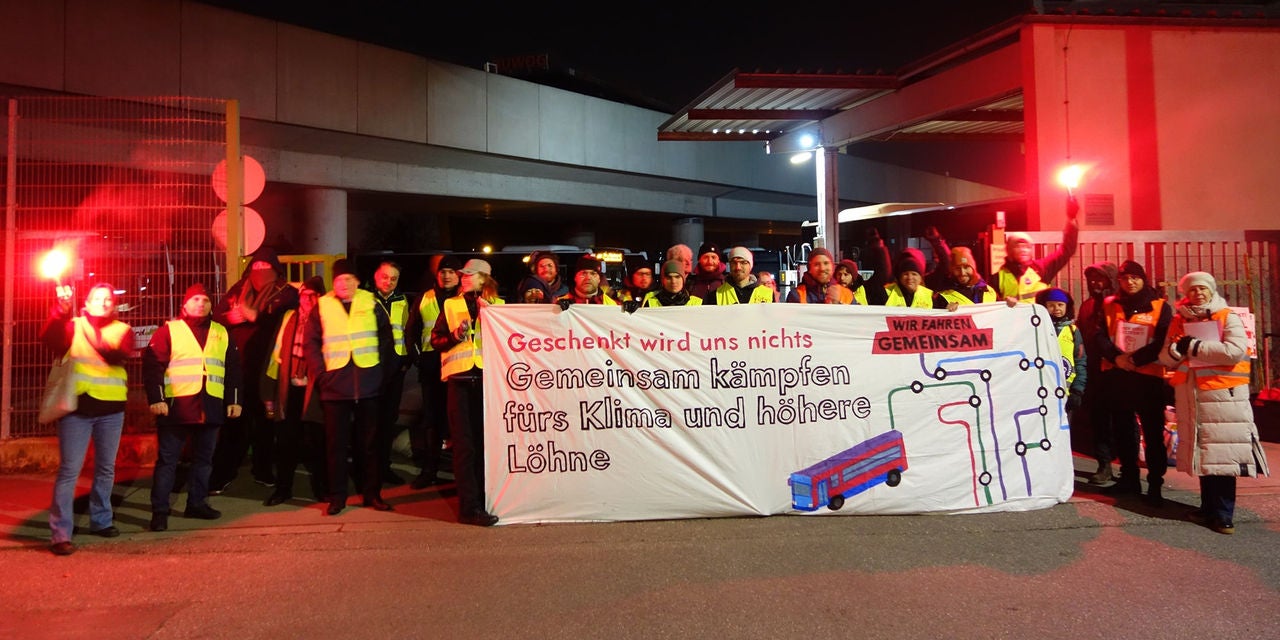
Due to the pressure of the works meetings and the high willingness to strike, the employers have assured that they will take the needs of the drivers and thus our demands seriously in another round of collective bargaining negotiations on 17 February. However, if another deceptive package is put on the negotiating table, then the employees will hold a first warning strike on February 20, 2025.
Get bus drivers off the shortage occupation list
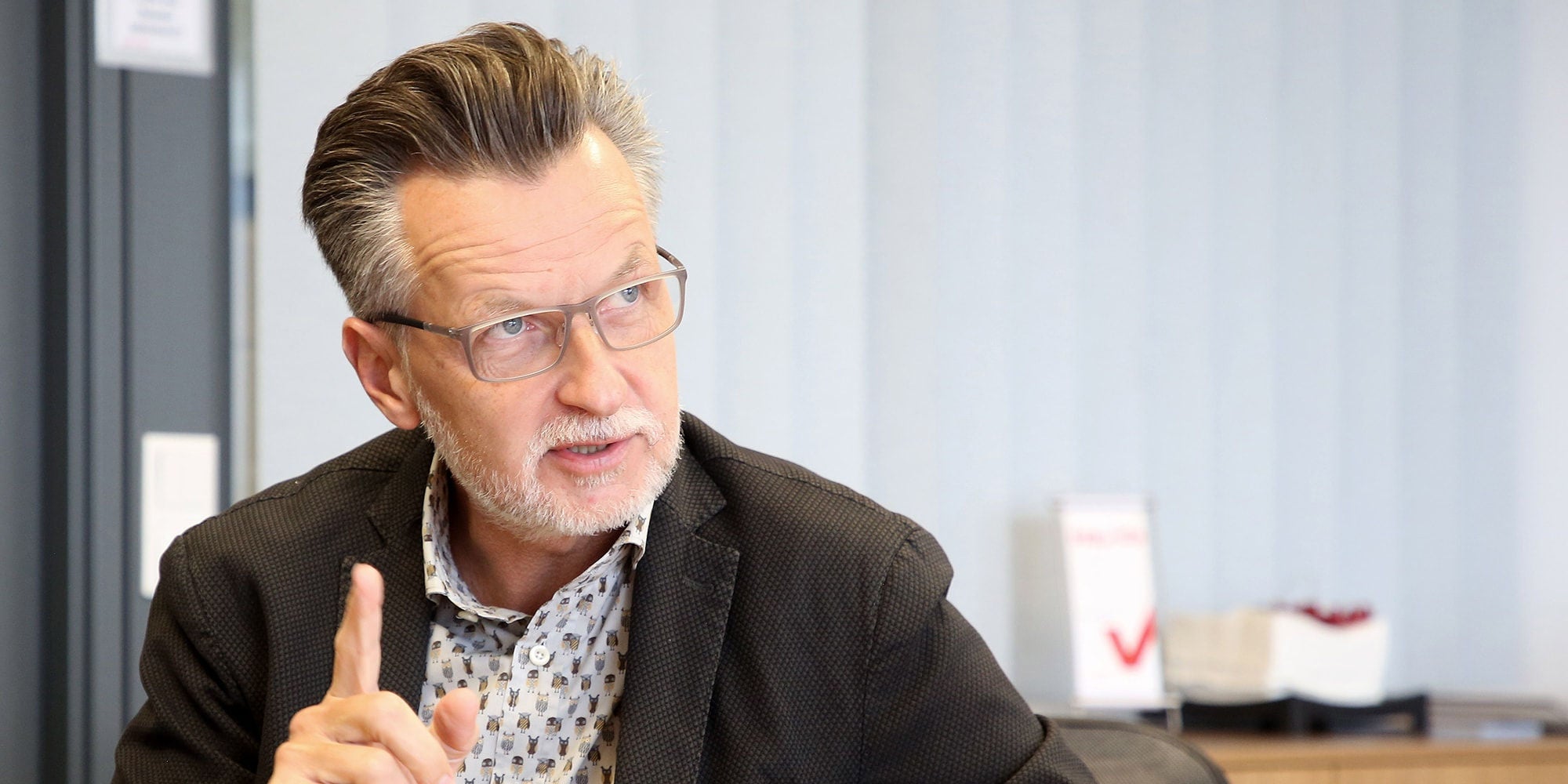
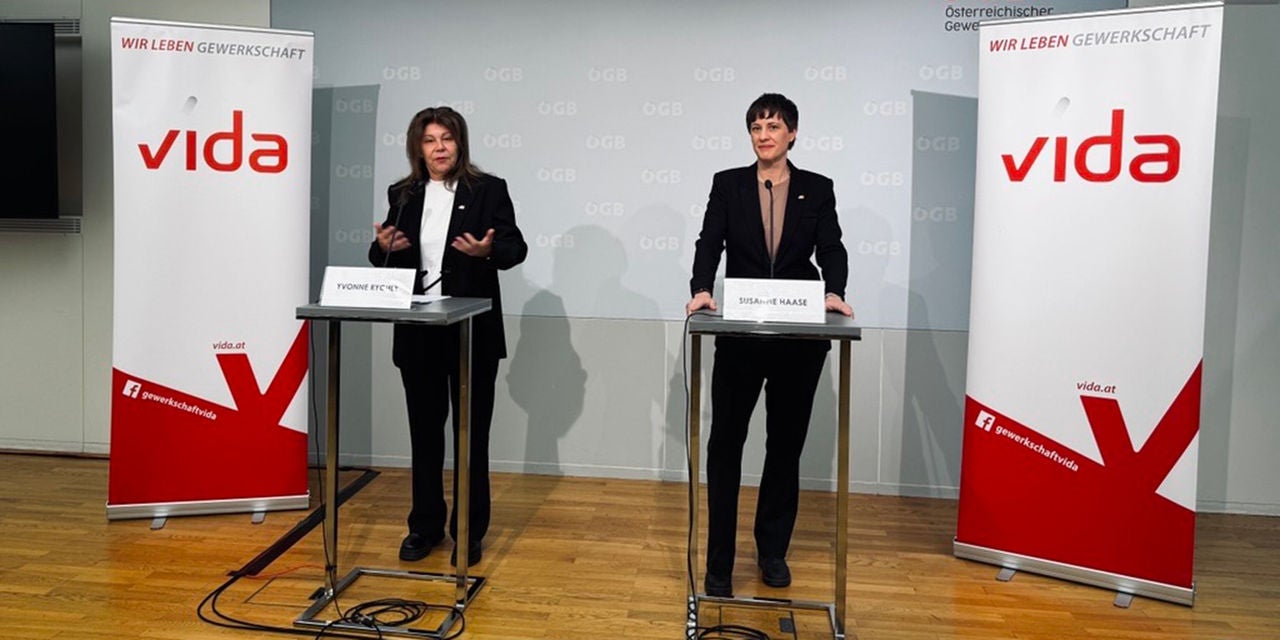
As explained in a vida press conference in Vienna, employers apparently prefer to rely on blackmailable drivers with red-white-red cards from outside the EU and wage dumping instead of making the industry more attractive. The bus drivers are defending themselves against this trap set by the employers. "Therefore, down with the bus drivers from the shortage occupation list - in addition to fair wage increases, we want to negotiate first and foremost an improvement in working conditions in order to make the industry more attractive again for applicants from Austria and the EU," demands Yvonne Rychly, Deputy Prime Minister of the Employers' Association. Chairwoman of the trade union vida Vienna. This is the only way the industry can overcome the self-inflicted shortage of personnel. In Vienna alone, there will be a shortage of up to 5,000 drivers in the next five years.
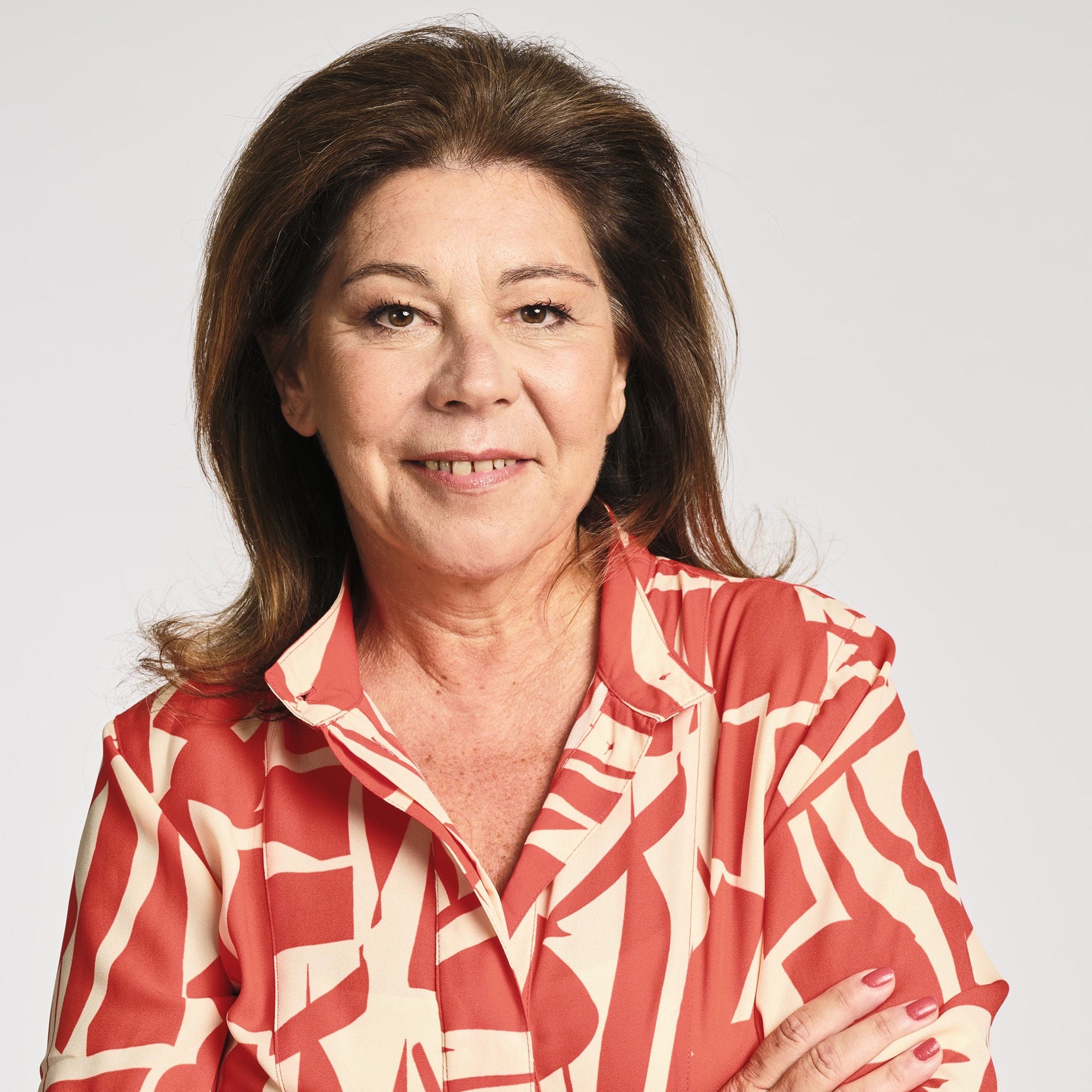
Get bus drivers off the list of shortage occupations – in addition to fair wage increases, we want an improvement in working conditions first and foremost.

The long working days of bus drivers only provide a fraction of paid working time. There are often long, unpaid breaks between two shifts.
Expansion of public bus transport on the brink
All political parties agree; we need more bus traffic. Public transport is to be expanded for the people in this country and for climate protection. All passengers want there to be more bus connections, for the bus to come more often and for children to arrive safely at school. Therefore, buses should also run on Sundays and public holidays and at night or in the morning. In reality, however, individual routes cannot be served and vacancies for bus drivers have been unfilled for months.
Those affected are dissatisfied with working conditions
As can be seen from many individual discussions at drivers' regulars' tables, meetings and surveys, the framework conditions in the collective agreement are sometimes unreasonable. They lead to long shifts of up to 15 hours and short night rests. "The long working days only provide a fraction of paid working time due to shared shifts. There are often long, unpaid breaks between two shifts," explains Susanne Haase, Regional Managing Director of the trade union vida Vienna.
"If everyone else is sleeping and free, then bus drivers drive and do not receive sufficient compensation for this - family life also suffers as a result," criticizes trade unionist Rychly. The night allowance is currently only paid from 0 to 5 a.m. The pressure of work and time is increasing continuously due to a lack of staff, and a Sunday bonus is completely absent.
List of shortage occupations causes employers to lack the will to find solutions
However, the employers' willingness to find solutions is limited. Already during the last collective bargaining negotiations, there were working groups between vida and the WKÖ on the framework conditions, which then dragged on for a year. Only with a lot of pressure could an agreement be reached at all. Instead of looking for constructive and real solutions here, Labour Minister Kocher put bus drivers on the shortage occupation list, which makes it possible to recruit workers outside the EU. "The result of Kocher's gift: This year, too, the employers wanted to put the needs of the employees on the back burner in the negotiations," vida state manager Haase is outraged.
Demands of the trade union vida in the collective bargaining negotiations for private bus companies:
- Fair wage increases: A wage increase of 3.7 percent would compensate for rolling inflation of 3.5 percent and strengthen the purchasing power of drivers.
- Improvement of working conditions: Only better framework conditions can make the profession attractive in the long term – for example, through shorter shifts and longer rest periods, as well as the elimination of long, unpaid breaks in shared shifts.
- Extension of the night allowance: The night allowance is to be extended beyond the current period from 0 to 5 o'clock.
- Introduction of a Sunday bonus: Most employees have Sundays off, or are compensated accordingly for their Sunday shift. A Sunday allowance is therefore also needed in the bus sector.