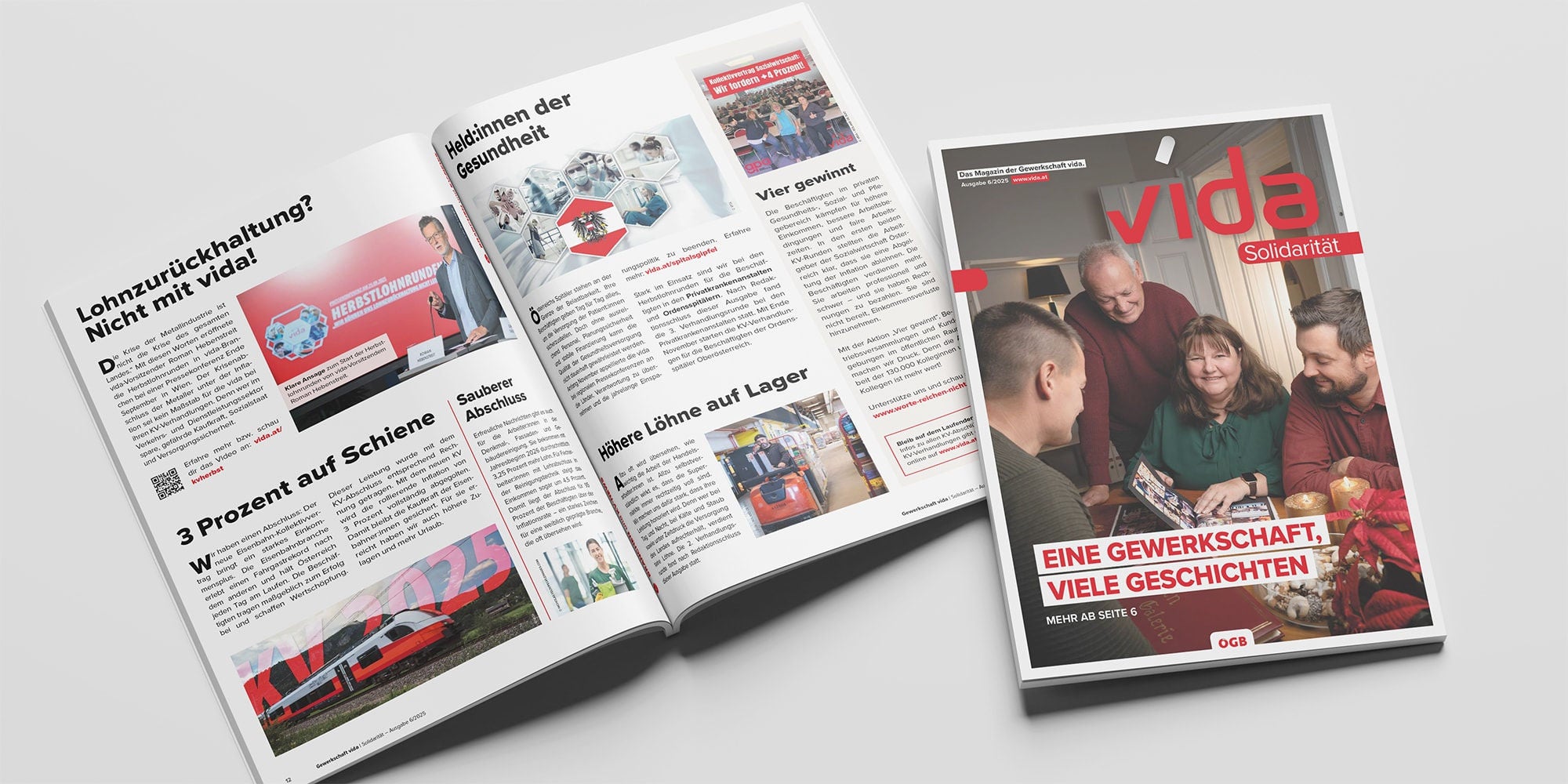
My story, my union
vida members have their say – about moments of solidarity and solidarity with vida.
Cover Story
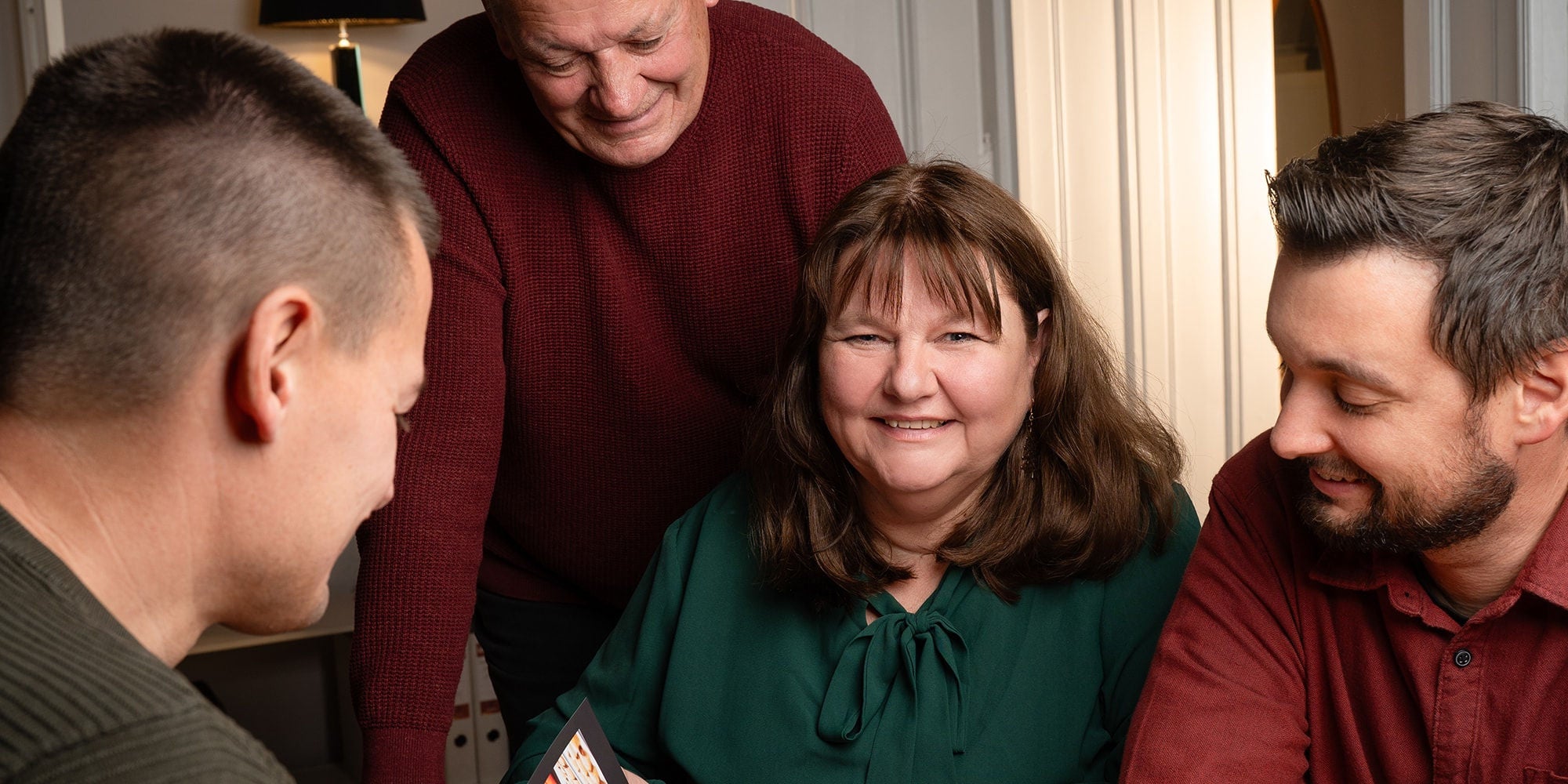
There are moments that remain: a handshake in difficult times. A voice that spoke for you when you couldn't. The moment when you felt: I'm not alone. These stories are at the heart of our union. In the summer issue of our vida magazine (number 4/2025), we called on people to share their own story. Many members responded to the call – here you can find a collection of trade union stories.
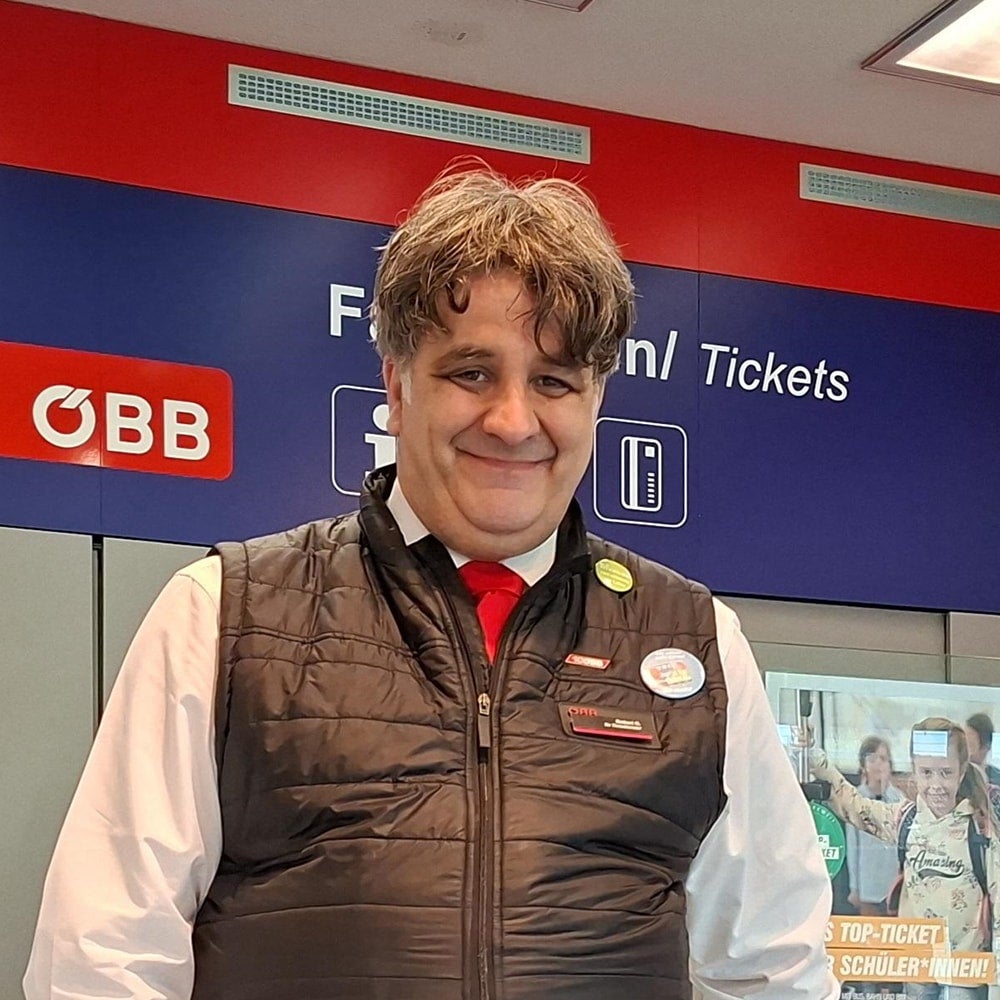
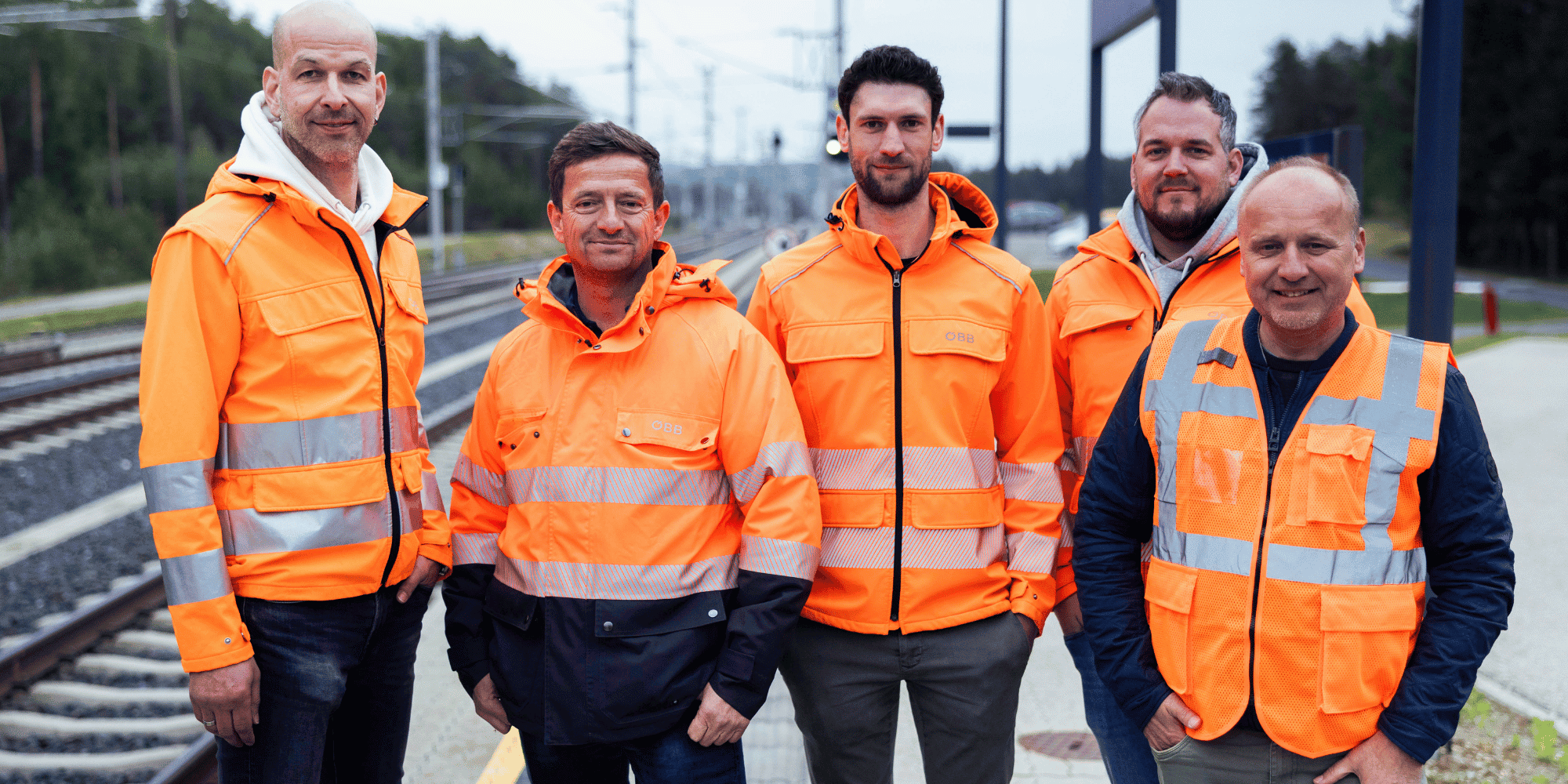
"I grew up with the rhythm of the railway... "
My father was a railroad worker – and for me it was more than just a job. It was a world full of stories, full of people, full of cohesion. Even as a child, I was allowed to be part of it. I remember the cold winter days when we stood together curling. The air was clear, the laughter loud, and I felt: This is about more than work. It's about community.
It was similar with bowling – it wasn't the game that counted, but the togetherness. I was the little boy between big colleagues, and yet I never felt out of place. And then there was the Danube Island Festival – a place that was almost magical for me. Music, people, joie de vivre. But the heart of it for me was always the Trade Union Island. There was not only celebration, but also attitude. There I understood for the first time what solidarity means. That you stand up for each other. That you are strong together.
When I started at ÖBB in 1995, it was not a question, but a matter of course: I would become a member of the union. Not only because it was my father. But because I knew what it meant. I had experienced it. I had felt it. The union was never just an institution for me. It was a part of my history. A part of my family. It was there when things got difficult. It helped when help was needed. And it showed that we are not alone.
Today, many years later, I am proud of this path. Proud of my roots. Proud of my decision. Because my story is also the history of my union. And this story continues – with every new colleague, with every new voice, with every new step towards justice and cohesion.
Robert Rottensteiner, 8423 St. Veit/Vogau
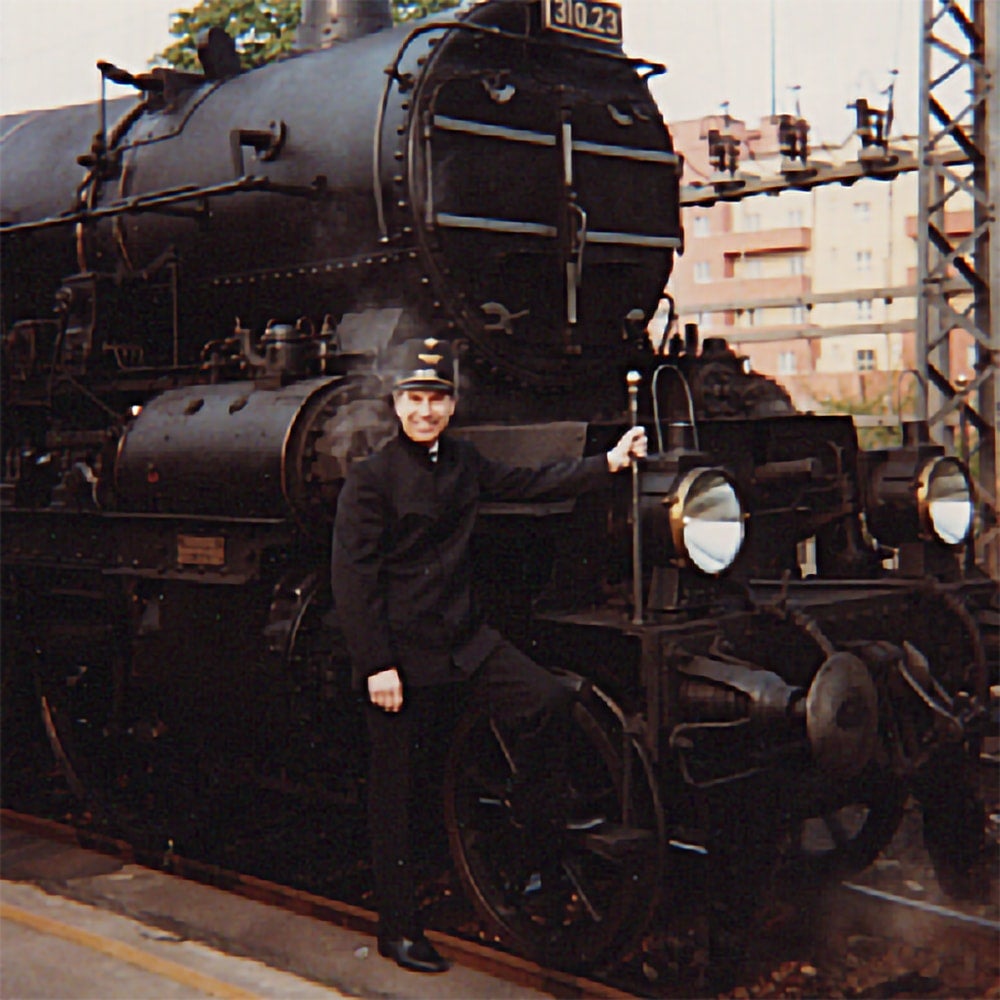
"A large railway and trade union family ... "
I was born on June 4, 1941 in Vienna, Favoriten. My father was a "Reichsbahn worker" in the rolling carriage service. He was always pressured to join the NSDAP. According to his conscience, he could not do that. It didn't take long and he was drafted into the military in 1944. My last stay in January 1945 was East Prussia in the Insterburg - Gumbinnen area. Then there was no more news from him. My mother was in the household and after the end of the war she took me to the arriving homecoming trains at Vienna's Südbahnhof, which was partly bombed, to wait for my father. A sad picture – my father was not there. I don't have a picture of my father in my mind – the war took away my few memories.
After the elementary school on Laaerberg and four classes of secondary school in Reinprechtsdorfer Straße – in the 10th district, the school was not usable due to war damage – I decided in 1955 to apply for an apprenticeship with the ÖBB. The telecommunications apprenticeship was already taken. Since there was no more place available as an electrician apprentice, I was offered a place as a locksmith apprentice. There were about 300 applicants everywhere and there was only room for 30 apprentices each. Then came the decisive letter from the ÖBB: Admission to the signal line in Vienna 2, Innstraße 18, from September 1955 as a mechanic apprentice.
It didn't take long for me to be invited to a training weekend by the youth secretary of the railway workers' union, Leopold Neubauer. My path as a trade union official began. I was elected as a youth shop steward, then on the national board of the railway trade union youth, and finally I was elected to the ÖGB Federal Youth Presidium. I still remember a conversation with Social Affairs Minister Anton Proksch, Minister for Social Administration (1956 – 1966). I also led an ÖGB youth group in Vienna 10, which was gladly attended by the ÖBB apprentices. A varied programme was offered with lectures on trade unions, contemporary history and politics, alternating between slide shows and films.
In addition to the union support of the apprentices, the youth department of the railway workers' union tried to offer inexpensive holiday offers. In the late 50s, it was not a matter of course for some parents to finance a holiday in Europe for their sons. Our first destination was the island of Sylt for one group and the Baltic Sea for the second group. Another destination was Antibes / Juan-Lés-Pins on the French Riviera. Experiences that will be remembered. There were training courses for young functionaries in the Anton Hueber House and at the Schafberg/Vienna Ottakring. I often worked as a lecturer. I wrote many articles for the youth page of the trade union newspaper "Der Eisenbahner". In December 1957 I passed the examination for the operation of 16 mm sound film projectors at the Federal Central Office for Photography and Educational Film. The torchlight procession of the trade union youth across the Ring to the Parliament on the eve of May 1 was a moving action in the 50s and 60s. The youth exchange between Austria and Germany, as well as the youth ski championships alternately in Austria and in Germany, were also very popular.
I completed my apprenticeship as a mechanic in February 1959 with the skilled worker examination certificate with "very good" and the vocational school for mechanics in June 1958 with very good success, and I was awarded a diploma for special diligence and the teaching successes achieved by the Vienna City School Board.
After the skilled worker examination, only two of the apprentice cohort could be taken on in the main operation of the Vienna signal line line. I was lucky enough to get a job in the department for ticket printing presses. This expertise kept me busy in the various areas until retirement.
In 1965, I decided to attend the five-year evening school for professionals specializing in mechanical engineering. A scholarship from the Chamber of Workers and Employees and a scholarship with authorization from the Federal Minister of Education helped me to acquire the necessary specialist literature. It was not easy to study in the evening while working. But I persevered and graduated with distinction in 1970. On May 27, 1975, I was awarded the professional title of "engineer" by the Federal Minister for Buildings and Technology, Josef Moser. This paved the way for becoming a technical officer at the ÖBB security service.
After two years of training and work in the operations management of the Vienna signal line line, I came to the General Directorate with mechanical engineering tasks in safety technology and especially in switch construction. Examples: Klothoid switch for use on high-speed lines and symmetrical switch for the roller hill at marshalling yards. Preliminary review of the new developments for submission to the Federal Ministry of Transport. New traffic light masts with signal signs, in accordance with ÖNORM (at that time) for a wind pressure of 140 km/h. Weighing technology with development of new systems on the rails in cooperation with the Federal Office of Metrology. Development of new ticket machines with coin and banknote validators as well as burglary protection for the machines. Cooperation with the Austrian National Bank to exclude counterfeit money. Procurement and commissioning of ticket machines and conductor devices for ticket sales on the train. Consultant at the transport associations Verkehrsverbund Ostregion, Graz, Upper Austria, Carinthia, Salzburg, Tyrol and Vorarlberg. Development, procurement and installation of new luggage lockers for the stations. Agendas of employee protection. Member of the ÖNORM Committee. With such a workload, it was then no longer possible to exercise a trade union function.
I was also firmly convinced that I was a member of the Austrian Association of Abstinent Railway Workers. Congresses and study conferences in Austria, but also in Europe, were able to convince many colleagues of the idea of "0.0 per mille on duty". The umbrella organisation was the International Association of Railway Workers for Sobriety – IVEN. There were also interesting leisure programmes, such as a steam train ride from Heiligenstadt in 1991.
In September 2025, I will have been a union member for 70 years – with a look back on many beautiful years in the community and a reason to celebrate. But also in memory of my cousin, Franz Hums, with the many functions in the railway workers' union and as a member of the National Council – most recently Federal Minister of Labour and Social Affairs under Chancellor Franz Vranitzky, from 1995 to 1997.
Addendum
Dedicated to my father Johann Hums, born May 12, 1908, who was only able to take care of me for a short time. His thoughts and his hope for the future were: "The boy should be better off one day". The first days in January 1945, father had sent us a postcard each. It is hard to imagine that the mail worked in those days, if you read the war reports from East Prussia.
I witnessed the battle for Vienna from 6 to 13 April 1945. Only destroyed houses remain in my memory. Trams could usually only run in the morning. The catacombs full of people seeking protection. After the all-clear – went home on foot, In the first weeks of May 1945 I experienced the invasion of the Red Army in the Nickelsdorf area. A telecommunications squad in the courtyard of our relatives left the location in a hurry and shortly afterwards a Russian tank rolled into the courtyard. Later, a Russian officer said: "We will stay here for 10 years". Where does this statement come from? The origin can be found in the First Control Agreement of 4 July 1945.
The first train of returnees from the Soviet Union arrived on September 11, 1947, the last on July 25, 1955. Missing in East Prussia. My motto later was: "No matter what happens, just no war!"
Ing. Erich Hums, 2384 Breitenfurt
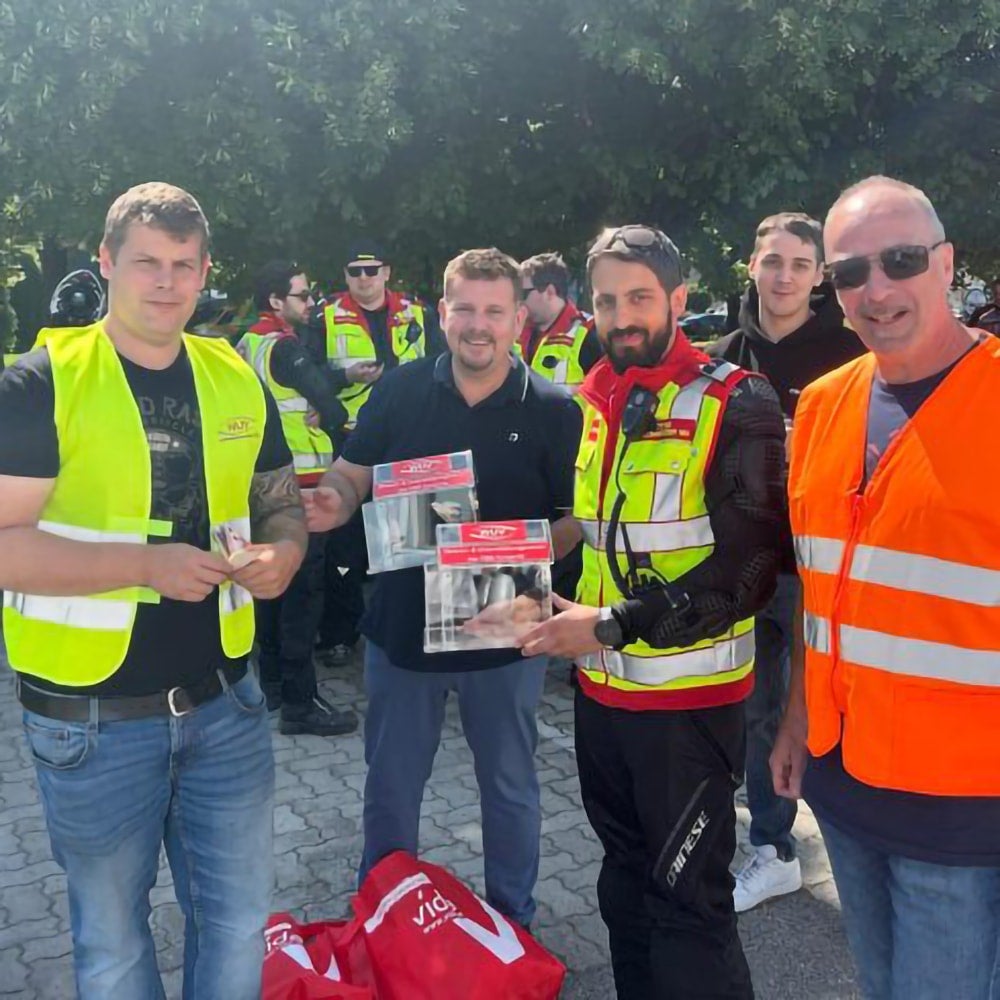
"Where "WE before ME" is not just a saying ... "
I am a co-organizer of the "Bikers for the Orphans' Association" campaign. It was a great experience to see what a few railway workers and Bernd Brandstetter from the vida trade union were able to get up and running for a good cause within a very short time - and where "WIR vor ICH" is not just a slogan, but is actually lived.
Markus Kolup, 1210 Vienna
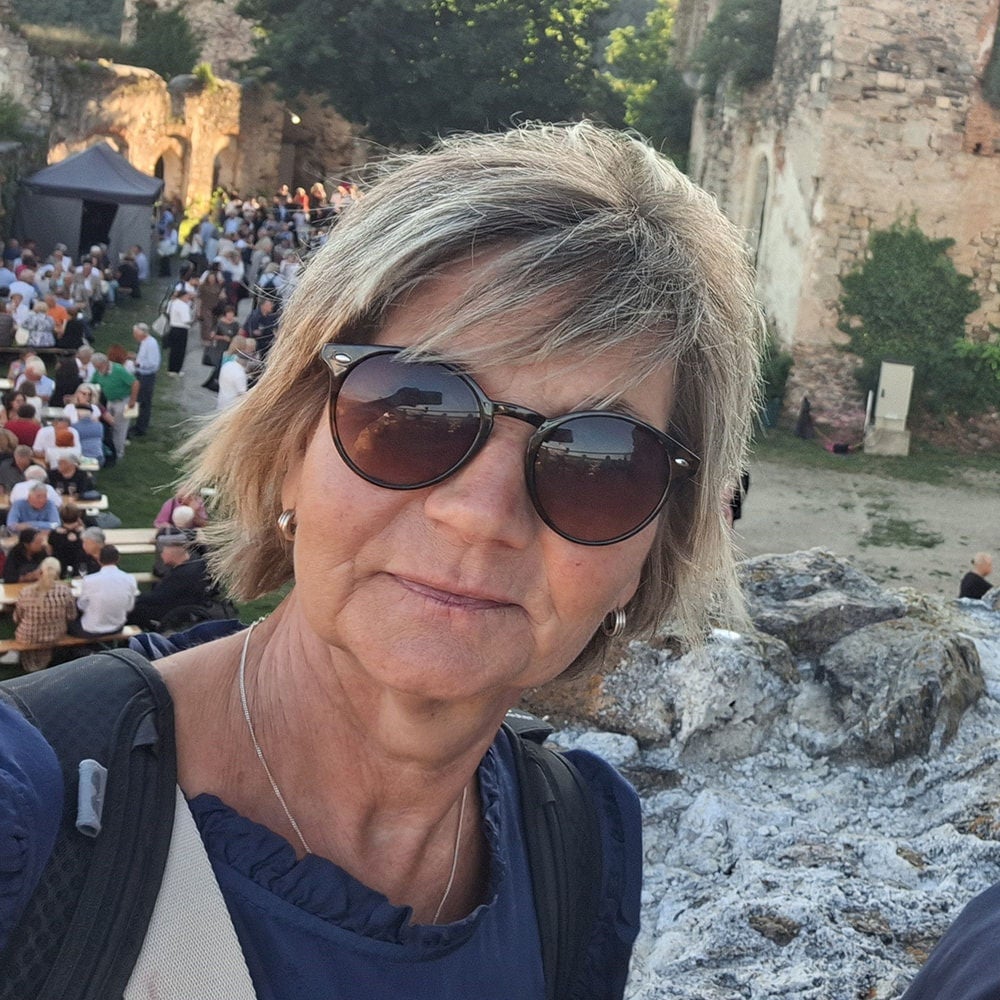
"I take this opportunity to say THANK YOU to you ... "
I have never made personal concerns to vida, as there was no need for them in my professional environment. However, your foresight, the negotiations in politics in the interest of the employees, including the information in the public, are always in the foreground and present. This can also be read as a result in the vida newspaper. And this is exactly what my story is based on.
As the winner of a competition, I was able to enjoy a wonderful evening: "La Traviata" in the open air at the Burg Gars am Kamp Opera. The setting is unique, the staging and the music get under your skin. I thank you for giving you the opportunity to experience something new.
Elisabeth Hofer, 4100 Ottensheim
More personal trade union stories
… complete my training as an office clerk at the BFI and save a lot of money in the process. This support has shown me the value of membership. At the same time, it is important to me not to forget what the union as a whole stands for: It was and is a pioneer for many key improvements for employees - from the statutory holiday entitlement to Christmas and holiday bonuses to the father's month.
All these achievements are not a matter of course, but the result of years of commitment and cohesion. For me, a trade union means: support today and security for the future.
Matthias Laimer, 4020 Linz
I've been part of our trade union movement for over 60 years and I'm happy about it. The first points of contact were in my youth, when my father worked for the stage union. In the late 1950s, I often spent three weeks in ÖGB convalescent homes in Lower Austria, Salzburg and also in Velden, in the Cap Wörth recreation home. My parents would never have been able to afford such a stay for me. I still thank the union for that today!
After school, like many boys, I wanted to become a train driver for the railway. But it was already over when I visited the railway doctor, because I needed glasses – apprentices with glasses were not accepted at that time. Since my father worked at the ÖGB, he learned that there was also an ÖGB training workshop in Vienna, in Hellwagstraße in Brigittenau. There I finally began my apprenticeship as a machine fitter. Later, "Jugend am Werk" took over this training workshop.
After completing my apprenticeship, I nevertheless applied to the ÖBB again and was accepted as a railway assistant, working on the superstructure for the construction of the rapid transit railway. Since then, the union has been responsible for collective agreements for me not only at work, but also in many other areas – for example, in the field of culture with discounts for various events, with books from all areas at the ÖGB publishing house, with discounts on holiday trips and with holiday apartments in the most beautiful regions of Austria.
After moving from Vienna to Carinthia, I organised theatre trips to the Klagenfurt City Theatre, to the Spittal/Drau Comedy Plays, to the Burghofspiele Friesach and once even across the border to Ljubljana with the help of a colleague and the support of the trade union. That's why I never thought about leaving the union when I retired. Once with the union – always there!
PS. In 1959, during my apprenticeship at the ÖGB, the then ÖGB President Johann Böhm died and we ÖGB apprentices paid our last respects to the President at the Central Cemetery.
Richard Hunacek, 9500 Villach
… and have been doing so for many years! You do so much for the members and for all employees – very often unnoticed and invisible. That's what makes a large community. And that's why I feel in good hands if I ever have problems with my employer. I'm happy to have a strong supporter and contact person at my side.
Rene Stadler, 4060 Leonding
After being accepted by ÖBB, I was encouraged to join the union – and I have been a union member since 1966. We had a good employee representation in the company, which won everything positively for the colleagues in the locomotive service. Thank you very much for that! Unfortunately, almost all of the "old fighters" have already died.
I will always stay with the vida trade union – until my death. I hope the same from the young people – because only together can we be successful in stormy times.
Silvester Köpf, 5500 Bischofshofen
I have been working at the train station in Krems since September 2024. We have to perform different tasks together every day - both in freight and passenger transport. Since many of my colleagues know Martin Kaufmann as one of the best works councillors, it is a matter of course that you join the union and become a member of vida.
I once had a small incident at work where I was in shock. But my works council was there for me and helped me a lot. No matter what question or problem you have – the union is always there for you – and looks for a solution for every situation. Thank you for your commitment to us!
Alen Coric, 3841 Windigsteig
At the age of 16, I became a member of the Construction and Woodworkers' Union – ten years later, when I joined the ÖBB, I became a member of the Railway Workers' Union. In 1959, my first post was at the Aspangbahn in Vienna Simmering.
At first I worked in the warehouse, after starting school I worked as a switchman. The change from bricklayer/façade worker to partly vice foreman caused tears at home. I informed myself about my opportunities at the railway from well-known railway workers and trade unionists. They said I should continue my education and supplement my school education: 4th grade secondary school, 2 years course at Wifi Vienna for foremen and foremen, courses at the ÖBB, etc. I switched from working at the train station to the construction service and was given a position as a level 3 bricklayer, which I liked better.
After completing the courses, I registered for track construction train 102 as a Bahnmeister-Schüler, which I got after a year of waiting. After completing the Bahnmeisterkurs and passing the Bahnmeisterprüfung with good results, I joined the Vienna South line management, where I was assigned to construction supervision until a master builder position became available in Inzersdorf Metzgerwerke.
Railway foreman posts were merged and I decided to attend the technical college for construction technology. After passing the exam, I was transferred to the building construction department. And after about a year, I received a call from the Federal Railway Directorate at Nordbahnstraße 50 – with the question of whether I would like to take over the vacant post of "consignments with oversized loads". My answer – after consideration and discussion with Cantonal Councillor Swoboda – was: "Yes, very much so!"
I carried out this interesting business for ten years without any accidents and to the satisfaction of my superiors and colleagues. By the way, I was elected trade union representative for the construction department group, Nordbahnstraße 50 for several years. Greetings to our vida family.
Herbert Gaiswinkler, 2326 Maria-Lanzendorf
What has value to be done has value to be done well.
For me, that's a union.
Irmgard Stadler, 4143 Neustift
I started working as a cleaner at vida in 1981, at that time still a railway workers' union – and I have never regretted it. It was the best workplace in my life. We were like a family in which you were always treated with respect. I wouldn't want to miss a day.
Anita Höfferer, 9500 Villach
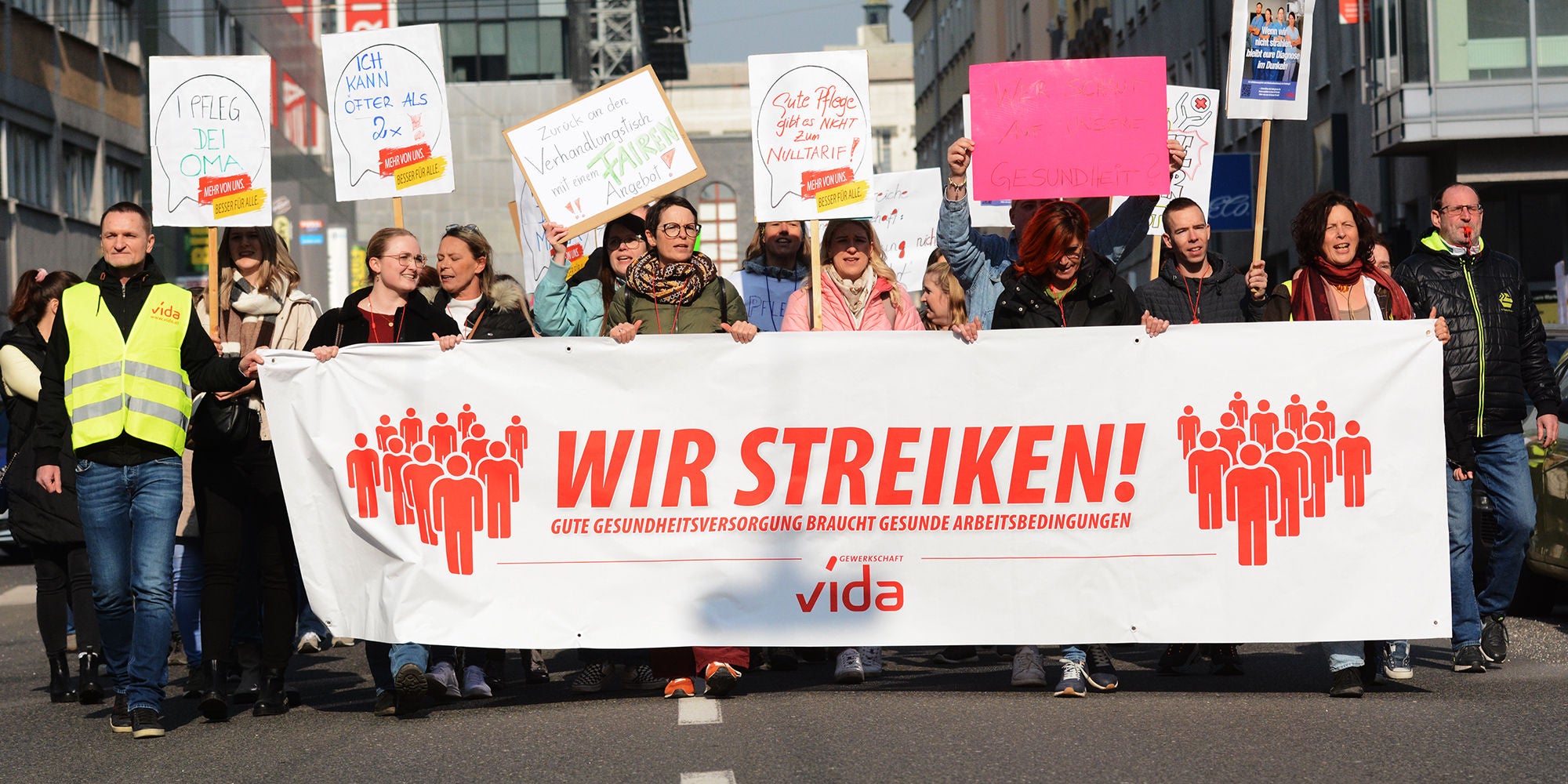
I have already gone on strike for nursing in Klagenfurt and Villach and since I started working as an office assistant, I have been a member of the union. I am impressed by your commitment. The union song "Bread and Roses" touched me from the very first moment. The film "Pride" also gives an impression of how the beginnings of the union probably took place. I hope that my text "When lemons cry" will make people aware of how strong voices can be.
Sabrina Gaber, 9524 Villach Ortisei
My great-aunt emigrated to Australia after the Second World War. During one of her visits, she told me something that I have not forgotten to this day: "Don't complain about the union. Think about what will happen if it no longer exists." She experienced times when there was no union. And even in Australia there were/are hardly any unions – and certainly no works councils that protect employees or negotiate better working conditions.
Even though I don't actively need vida now, I'm grateful for everything you negotiate for me in the background. That's also the reason why I don't have to actively try you to work for me!
It is also reassuring to know that someone is there in a pinch. I think nowadays many people are no longer aware of what you regulate. Many things have become too self-evident, as there are currently no problems getting good jobs. But that can/will change...
Birgit Mandl, 4150 Rohrbach
First of all, I would like to say that we can generally be happy that our union is so strong and always looks for the best feasible way – be it in salary negotiations – or with the individual!
As an apprentice, I was allowed to take part in a one-week trade union course in Pörtschach in the 3rd year of my apprenticeship. One week – without taking extra vacation, in the course of working hours, swimming in the afternoon, including full board and continued payment of wages. I like to think back to this one week. And I would think it would be great if today's apprentices would also come to such a treat.
Wolfgang Mittermann, 2492 Zillingdorf/Markt
Would you like to share your trade union history with us?
Then send it to us by e-mail with the subject "My story. My union": internet@vida.at