"Inclusion is not an extra, but a human right"
Employment law expert Birgit Schrattbauer talks about opportunities and barriers for people with disabilities – and what trade unions can contribute to an inclusive world of work.
vida Listen | Podcast
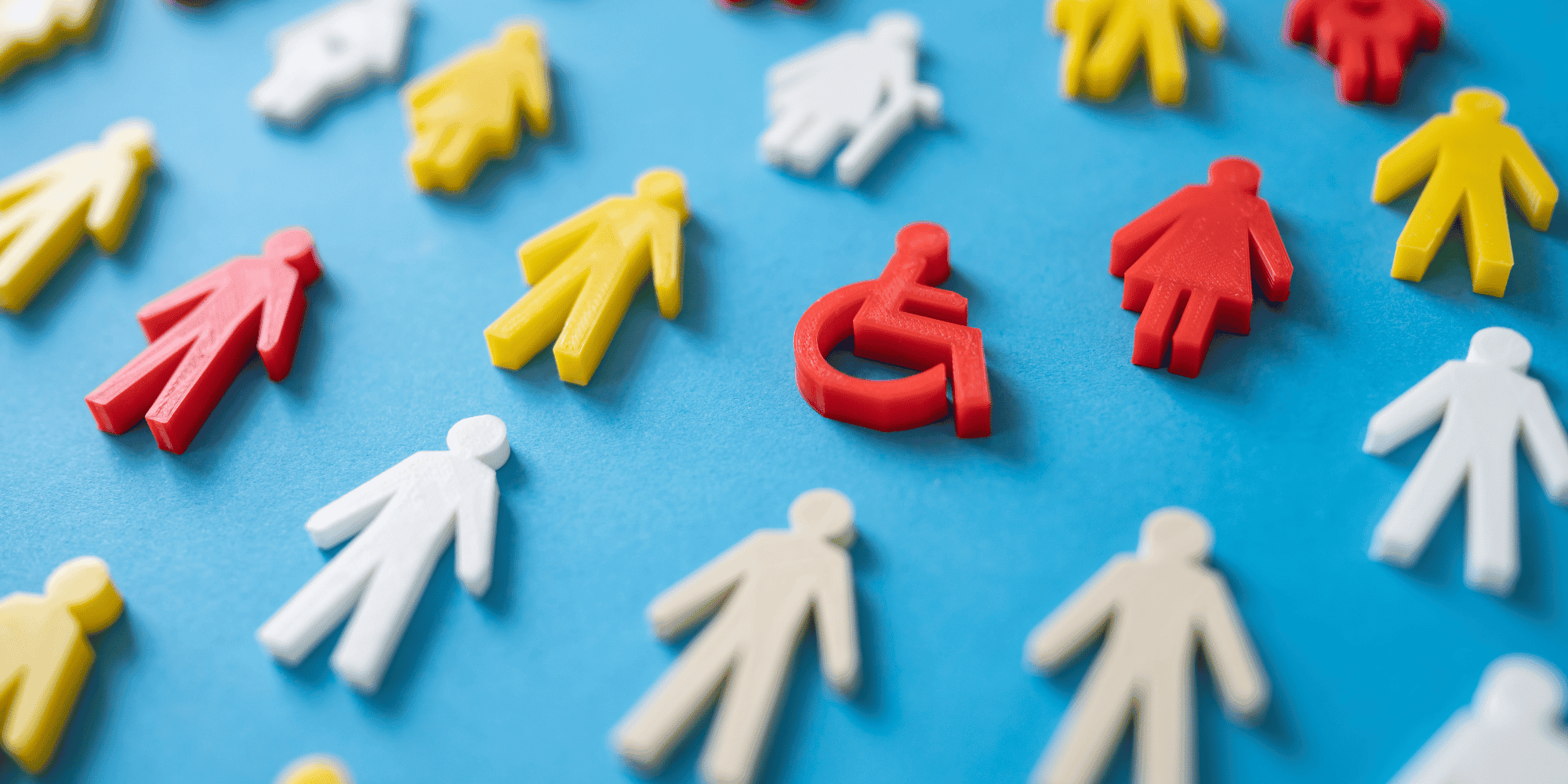
Despite progress, the equal participation of people with disabilities in working life in Austria remains a major challenge. Our guest in the vidaHören podcast is lawyer Birgit Schrattbauer from the University of Salzburg. We talk about legal stumbling blocks, practical challenges and social prejudices – and about how companies, politicians and trade unions can work together to create a barrier-free working environment.

"Everyone should have the opportunity to earn a living through work. People with disabilities should also be able to choose freely which activity they want to do."
Participation – also at work
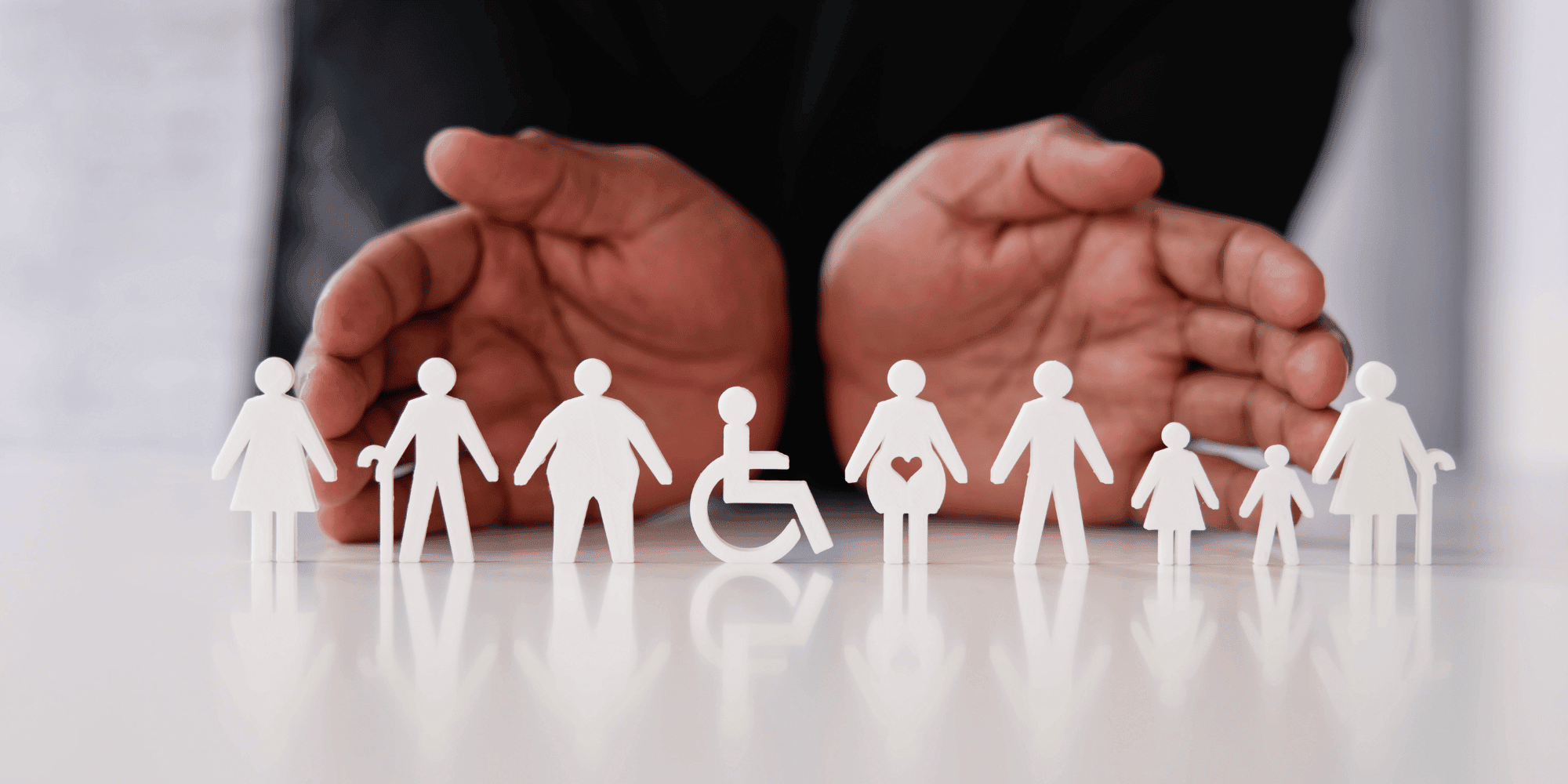
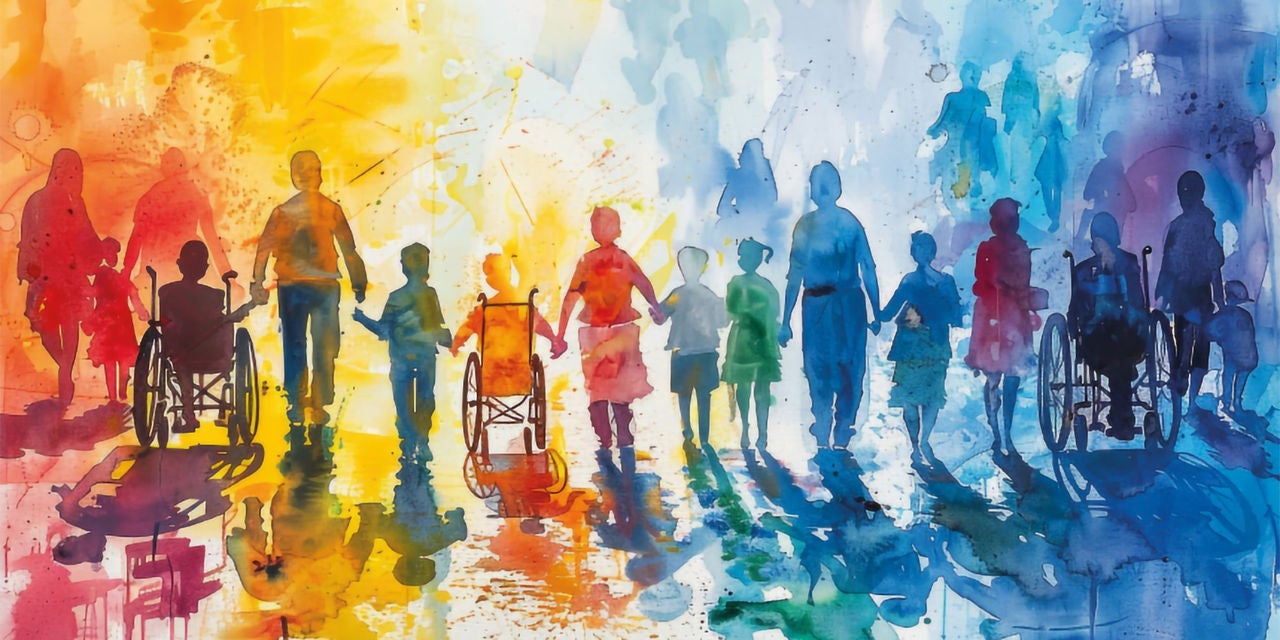
The UN Convention on the Rights of Persons with Disabilities, which Austria signed in 2008, obliges the creation of an inclusive world of work. For Birgit Schrattbauer, a lawyer at the University of Salzburg, it is clear: People with disabilities not only have a right to work – they should be able to participate in all areas of life: equally, barrier-free and self-determined.
Structural disadvantage
But the reality in Austria is different. A look at a report by the Ministry of Social Affairs shows that the unemployment rate among people with disabilities is almost twice as high as among non-disabled people. Once unemployed, it often takes more than two years to find a new job. Many end up in the so-called "protected labour market" – often without regular wage entitlements and without pension entitlements.
Barriers in the system
Whether structural obstacles, complicated language, rigid working time models or deep-rooted prejudices: the hurdles for people with disabilities are manifold. Schrattbauer is particularly critical of the medically influenced assessment of the ability to work in the Austrian system – it often blocks access to benefits. Inclusion does not mean that the person has to adapt to the system - but the other way around, emphasizes the employment law expert: "Inclusion means designing work structures in such a way that people with disabilities can actually carry out an activity. Appropriate precautions must be taken in the workplace to break down individual barriers."
Potentials instead of prejudices
Only about a quarter of companies in Austria currently fulfil the legal obligation to employ beneficiary disabled persons. "Many companies still see inclusion as an additional expense – but inclusive work design can benefit everyone," says Schrattbauer. For her, inclusion does not only begin in professional life, but already in the education system: schools must reflect and promote diversity. At the same time, companies need individual solutions and more flexibility - for example in working hours, task distribution or home office regulations. Digitization is both an opportunity and a risk, according to the expert.
Trade unions as a driver for inclusion
"Humanisation of work" – this is how Birgit Schrattbauer describes the basic trade union concern, which is closely linked to the inclusive idea. Trade unions can make a big difference: for example, anchoring targeted measures through collective bargaining negotiations, raising awareness through training or advocating higher compensatory taxes and incentives for inclusive companies at the political level. Schrattbauer is optimistic about the future. Events such as the inclusion conference of trade unions and other comrades-in-arms show her that commitment and networking have an effect: "A lot has already been achieved. That obliges us to continue."
More topics for you