With heart and attitude
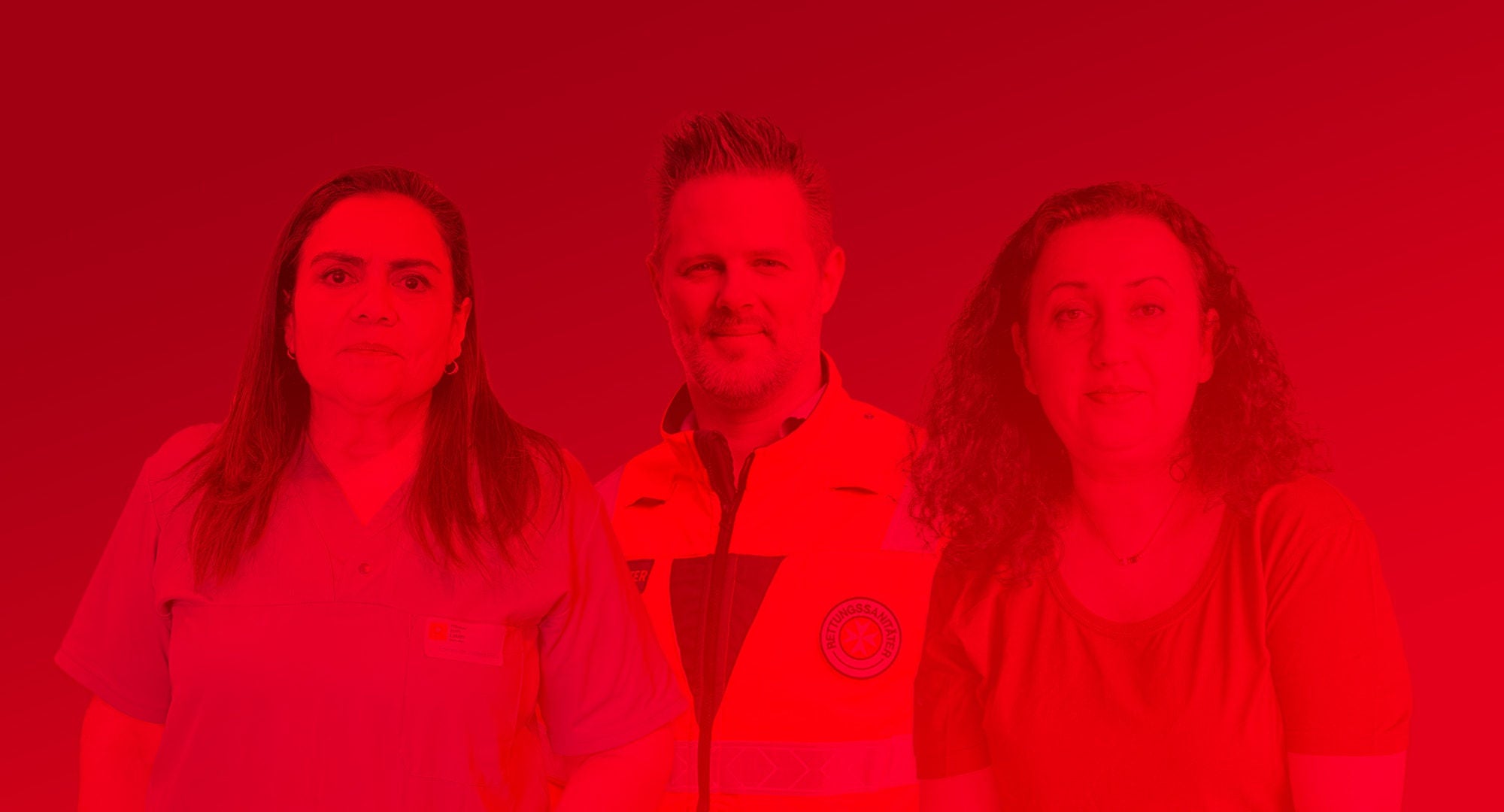
Two people, two professions, one goal: Katarina and Philip in action between adrenaline, empathy and system boundaries.
Cover Story
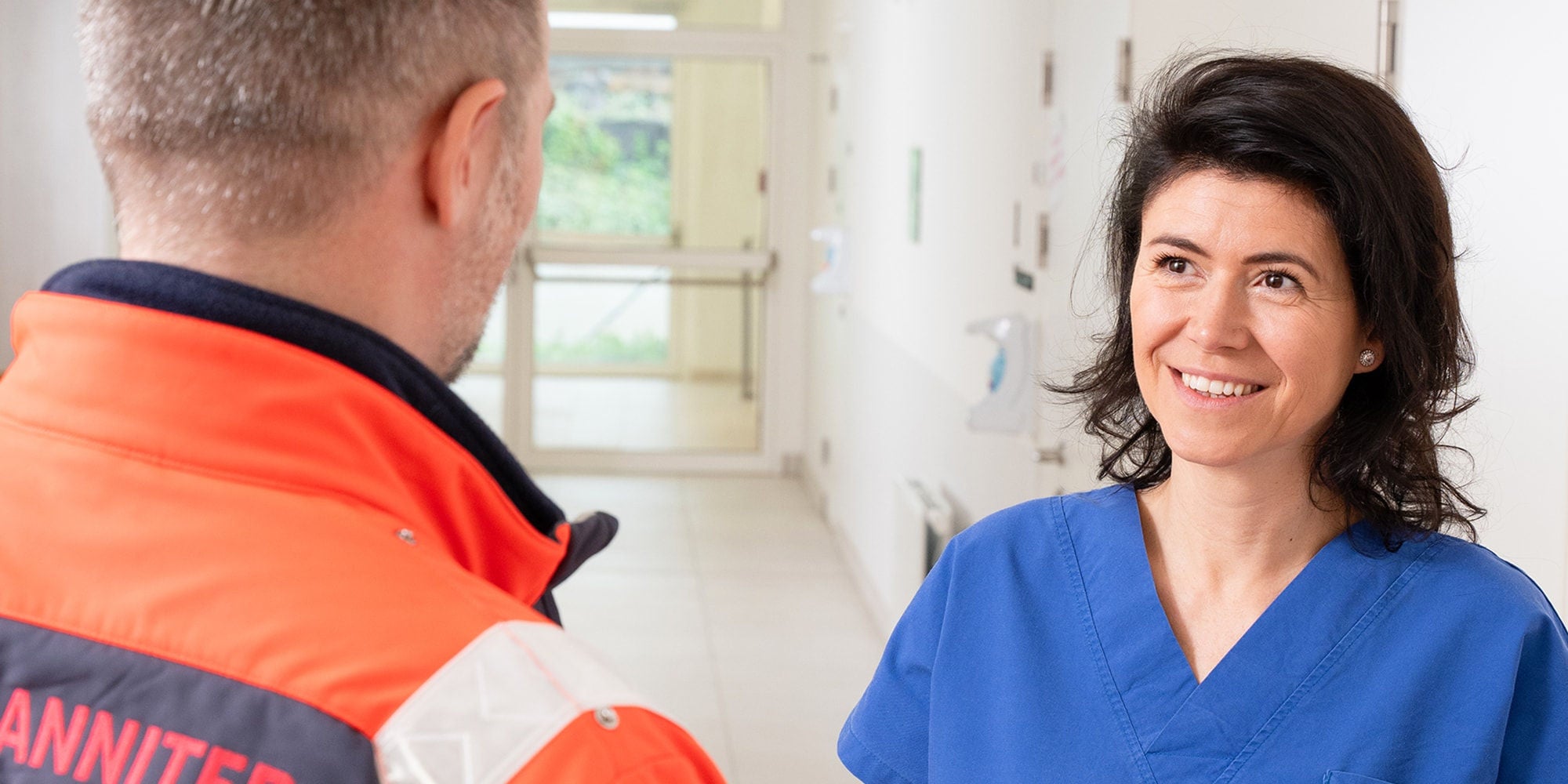
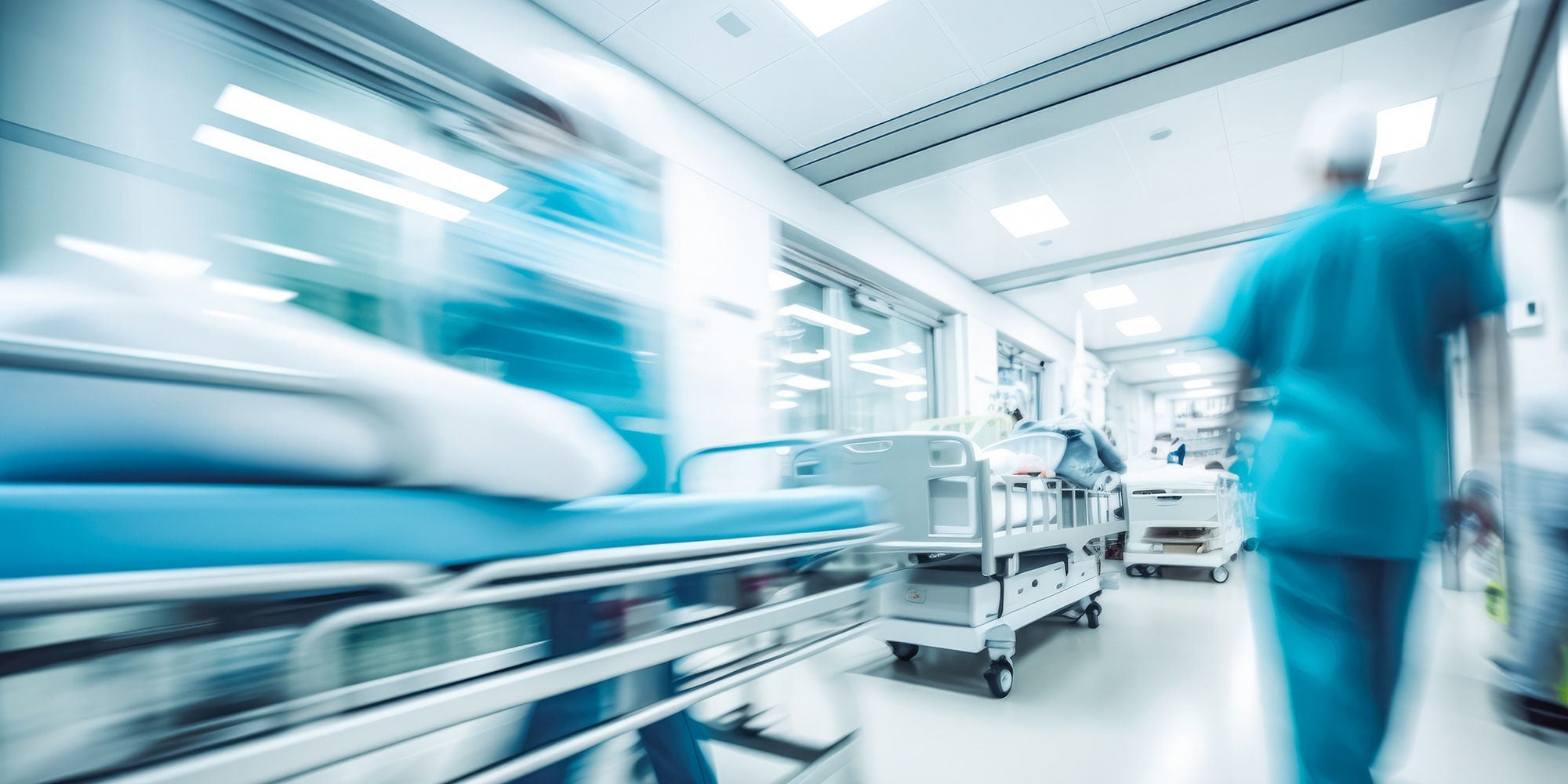
In TV series like "Emergency Room" or "Grey's Anatomy" they fight for human lives episode after episode. In reality, this mission is just as dramatic – only without a camera and script. The everyday work of employees in hospitals and emergency services is not a staged drama series. It is a demanding, often quiet feat of strength – day after day – with little glamour, but a lot of responsibility.
On the front line
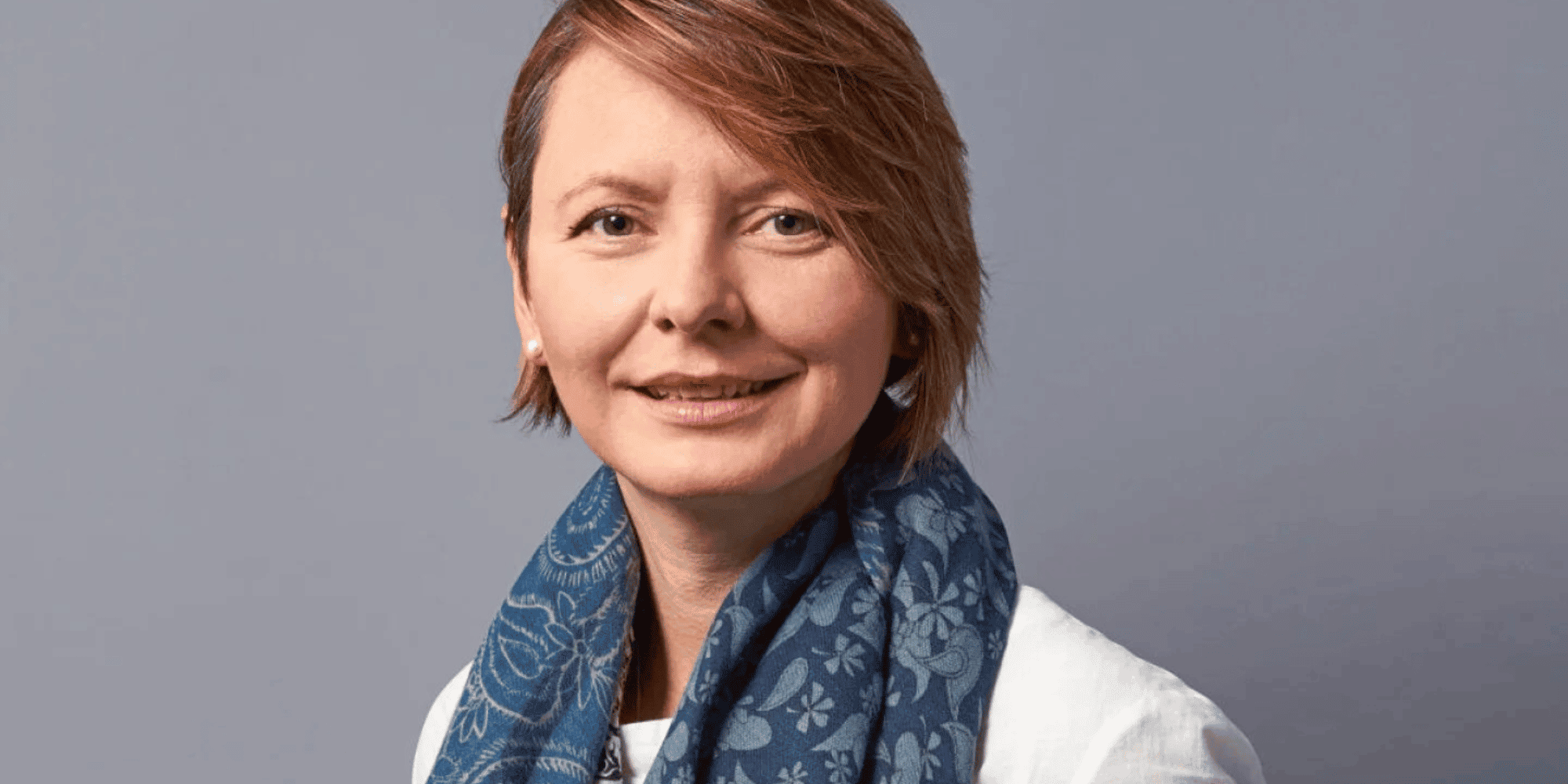
Katarina Rezac has been serving patients for over 25 years. After various assignments abroad, the 46-year-old is employed as an intensive care nurse at the Göttlicher Heiland Hospital in Vienna. "Medicine has always interested me. But above all, I wanted to work with people and do something meaningful," Katarina says. She decided on her profession at the age of 14. In Slovakia, she completed her training as a nurse, and in Austria she specialized in intensive care. Katarina loves intensive care medicine because she can work independently, because she appreciates the exchange with colleagues from different disciplines, because the profession makes sense. But he also demands a lot: "We expect flexibility – at all times," says Katarina. This is particularly challenging for the compatibility of work and family. "Sometimes you feel like you have to replan your life every month," says the mother of one son.
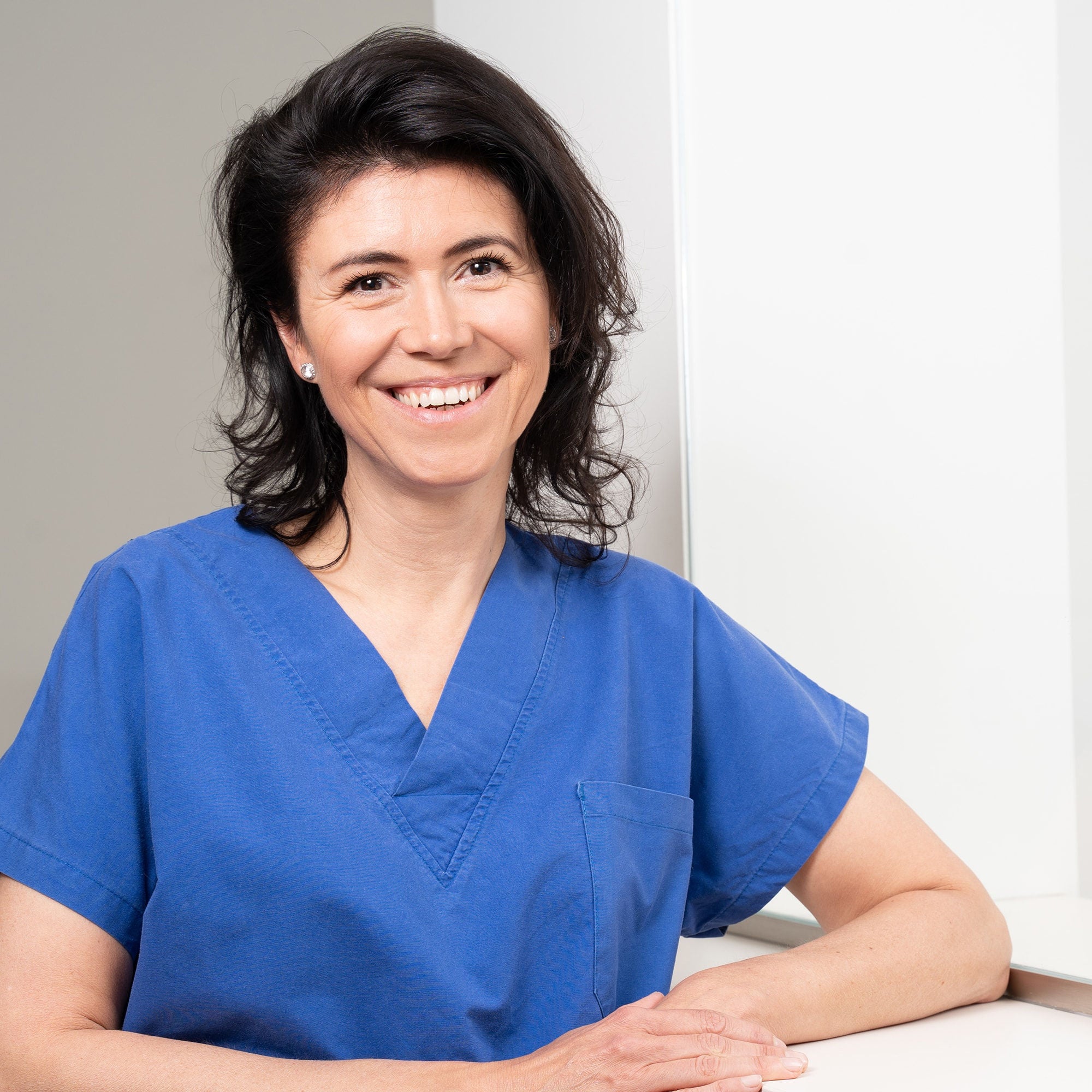
"Nursing is a great job, but it must not break you. I therefore expect a fair regulation of heavy workers for us. After all, anyone who has been caring for people in shifts for decades must also be allowed to retire earlier."
Because every second counts
The moment when the emergency services open the door to the emergency room is one of the most intense for Katarina: "For us, the formula is: Time is brain. Especially in strokes, every second counts." One person who often crosses this door is Philip Rosenecker, paramedic with the Johanniter in Vienna. It was no coincidence that the 45-year-old chose his profession while still in the armed forces, as he already had a social streak at a young age. He has now been on the road in the ambulance for over 20 years. Whether it's taking over ambulance transports or using blue lights, Philip never knows exactly what's coming next. "Our everyday life is dynamic, exciting, but also challenging – especially when you have to keep up with traffic and operations in a big city like Vienna." Philip also works in the operations center – where all the threads come together. "I coordinate operations, make phone calls to hospitals and patients. I am the link in the rescue chain, so to speak. But a lot of things are easier with humour," he says with a wink.
Between handover and overload
Katarina and Philip's assignments are diverse. In the intensive care unit, Katarina's duty begins with a handover, followed by twelve hours of regular work and time, whereby incidents are always possible and Katarina and her colleagues have to react quickly to them. "If an emergency comes in, we have to drop everything in order to care for the patient as quickly as possible." Katarina and her team are always on standby, have to be flexible and resilient. "That's our daily job," says the intensive care nurse. Improvisation is also part of everyday life in the rescue service. "Even when the deployment plan is in place, you never know what to expect," says Philip. He loves the variety between the driving service and the operations center - and the contact with people. But everyday life is demanding: traffic jams, time pressure, prioritization." We often swim on Fridays because there are many dismissals and emergencies," reports the paramedic from experience.
Moving moments
As challenging as their work can be, Katarina and Philip also experience moving and inspiring moments. Katarina remembers an over 70-year-old patient with heart problems who wanted to get out of the hospital as quickly as possible because he had a heart problem. Especially in strokes, every second counts." One person who often crosses this door is Philip Rosenecker, paramedic with the Johanniter in Vienna. It was no coincidence that the 45-year-old chose his profession while still in the armed forces, as he already had a social streak at a young age. He has now been on the road in the ambulance for over 20 years. Whether it's taking over ambulance transports or using blue lights, Philip never knows exactly what's coming next. "Our everyday life is dynamic, exciting, but also challenging – especially when you have to keep up with traffic and operations in a big city like Vienna." Philip also works in the operations center – where all the threads come together. "I coordinate operations, make phone calls to hospitals and patients. I am the link in the rescue chain, so to speak. But a lot of things are easier with humour," he says with a wink.
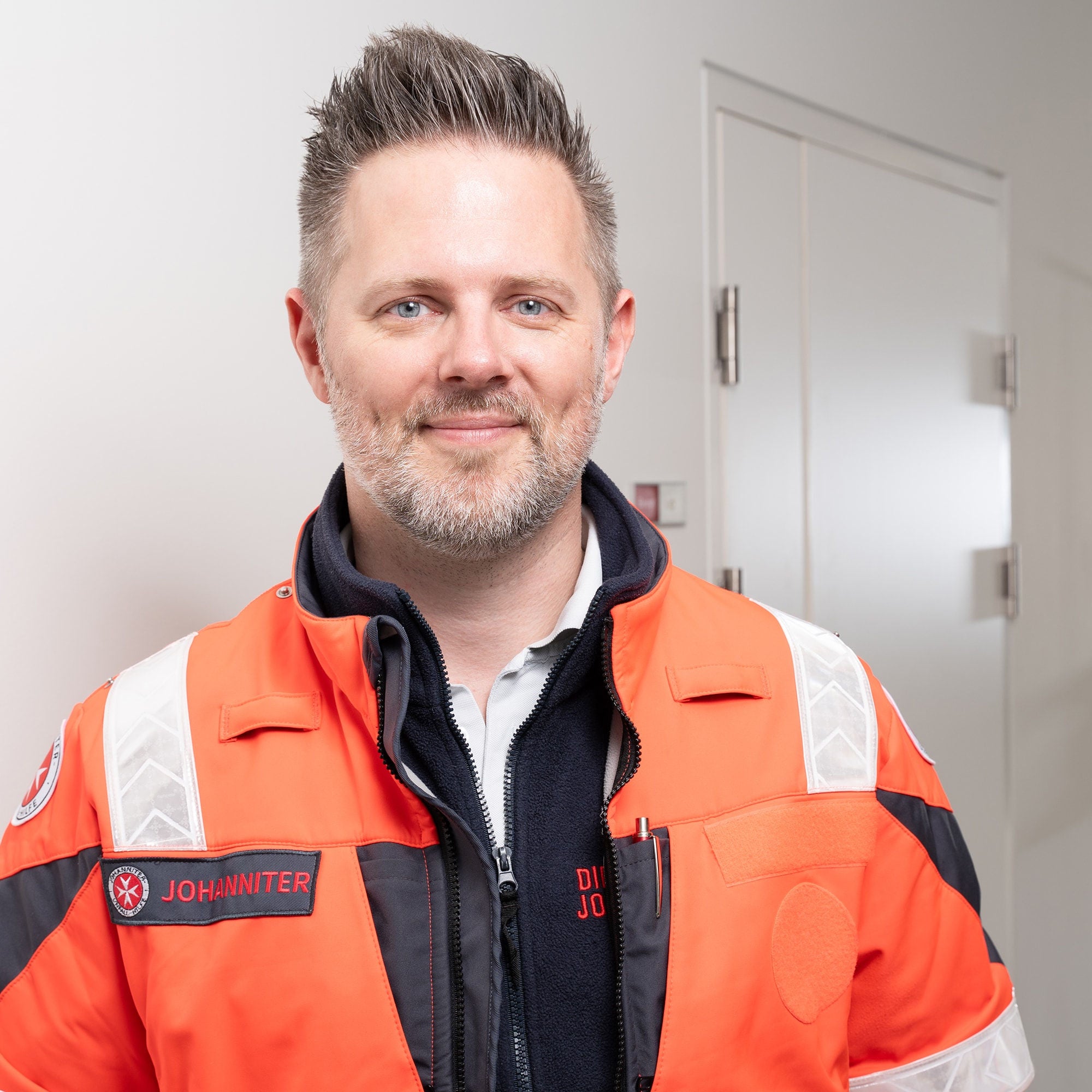
"We like to work for people day after day. But the working conditions have to be right. Even if a lot can be done with a good joke, we need structures that don't let us burn out. Because health also counts for us and we also want to be able to grow old in our profession."
System at the limit
Katarina and Philip are united not only by their love of their profession, but also by their criticism of the system. There is little room for manoeuvre between nursing care, administrative requirements and structural bottlenecks. Digitization should relieve the burden, but often brings new burdens, Katarina reports. "It's always said it's just a few clicks – but those clicks add up." While Katarina complains above all about bureaucracy that eats up more and more time from the patient's bedside, Philip would like to see a reform of the aging training in the rescue service and better pay, not only in his profession, but in the health and care sector in general: "For what we all do together every day, and for the responsibility we bear, it is simply still too little." What worries Katarina above all is the future. She reports on colleagues who have to leave care early - but not because they want to, but because they simply can't take it anymore.
Solidarity instead of silence
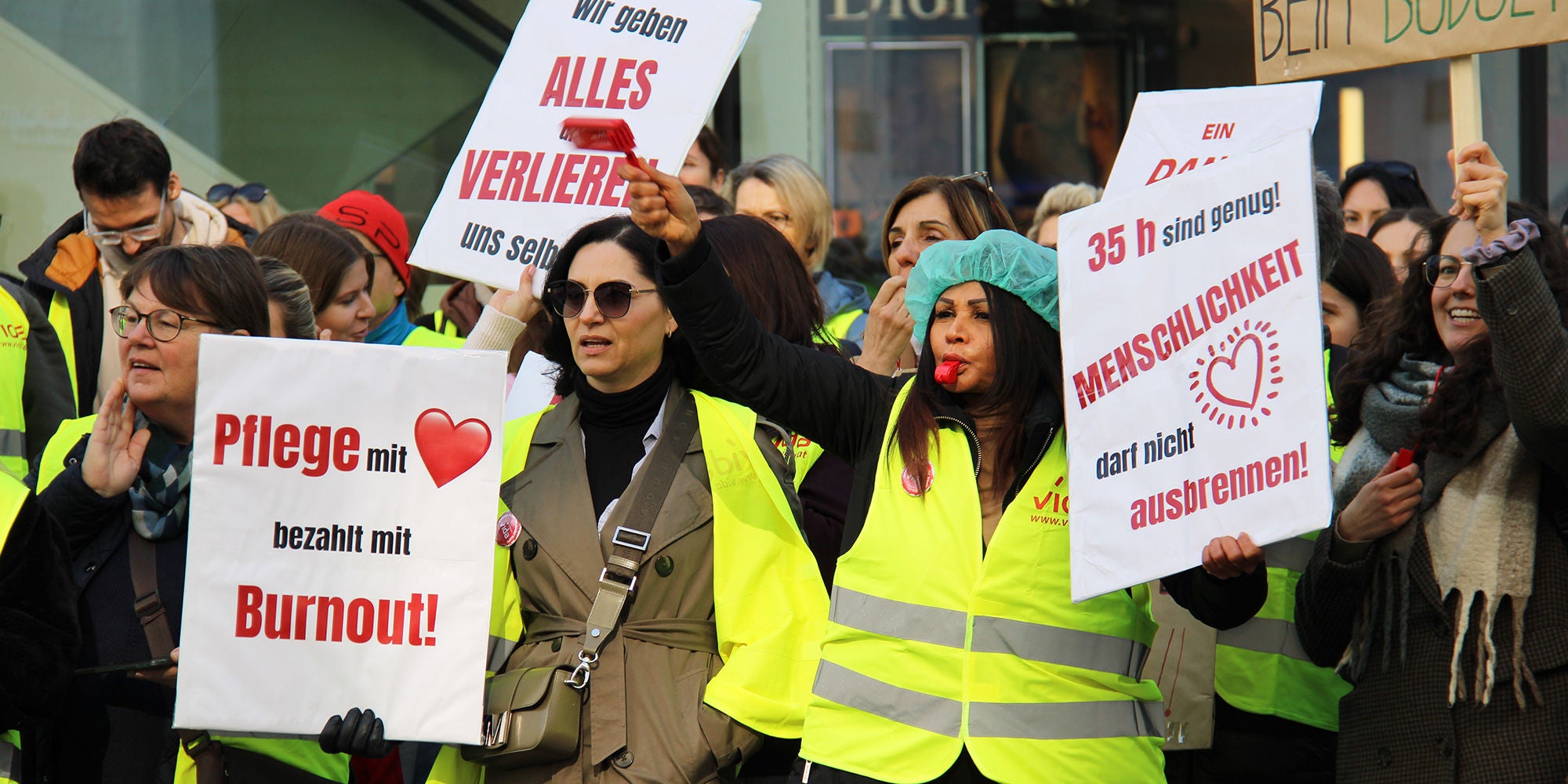
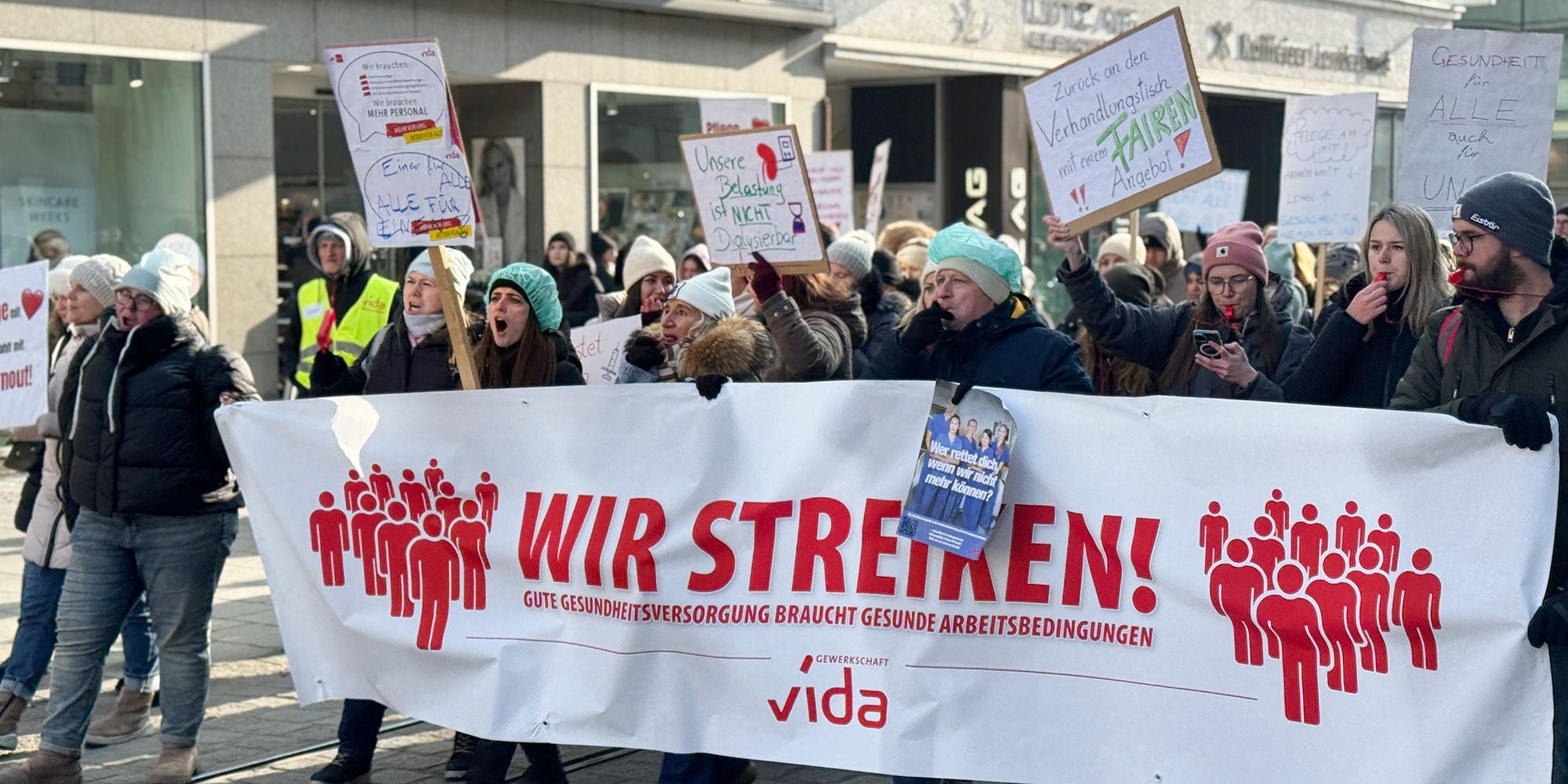
For Katarina, it is clear that without union support, many improvements would not have been possible and would never have come. After the Corona pandemic, for example, the trade union vida campaigned for nurses to be able to consume their long saved good hours - after months of overload, she says. There is still a lot to do – and it won't work without strong advocacy, Katarina and Philip are convinced. Both are therefore also members of the union. "You can achieve little on your own, but you can do a lot together." While others speak of "heroes", Katarina and Philip fight together with "their" vida for a healthy system that strengthens those who are there for others every day.
The power of the many
Katarina and Philip's stories are representative of many people who work in the health and care sector day after day, night after night. They are about commitment, perseverance, passion – but also about stress, structural deficiencies and the feeling that the reality of their work is not really seen by many. The trade union vida gives weight to these voices – in negotiations for fair working hours and higher incomes, in the campaign for realistic staffing ratios, healthy working conditions and a fair regulation of heavy workers. After all, anyone who saves lives and cares for people in shifts for decades must also be allowed to retire earlier. Those who are constantly working at the limit should not be kept away from the essentials – the human being – by excessive bureaucracy. What is needed is political will, the courage to reform and recognition – not only in words, but in deeds. Because one thing is clear: Despite all the hurdles, Katarina and Philip love their job. And despite all the resistance, they believe in change. Maybe not overnight. But step by step. With heart, attitude and the power of the many. Because the power of change lies not only in politics, but also in the common attitude. "Solidarity is our strongest tool," Katarina knows. And Philip adds: "A lot is possible with a good joke, but everything works with cohesion."